
My Wellness Train Logo
update

My Wellness Train Blog

update
  • Home
  • Categories
    • Lifestyle
    • Nutrition
    • Fitness
    • Stress
    • Sleep
    • Weight Management
    • Women's Health
    • Senior Health
    • Chronic Disease
    • Mental Health
    • Men's Health
    • Family Health
    • Integrative Health
    • Extra News
    • Hall-of-Excellence
  • Exclusive Interview
  • Diabetes
  • Heart Disease
  • Thyroid/Adrenal
  • All Posts
  • Lifestyle
  • Nutrition
  • Fitness
  • Stress
  • Sleep
  • Weight Management
  • Women's Health
  • Senior Health
  • Chronic Disease
  • Mental Health
  • Men's Health
  • Family Health
  • Integrative Health
  • Extra News
  • Exclusive Interview
  • Diabetes
  • Heart Disease
  • Thyroid/Adrenal
  • Hall-of-Excellence
June 24.2025
1 Minute Read

Public Health Advocacy: Why Your Voice Matters Now

Did you know that nearly 60% of global deaths could be prevented through effective public health advocacy and interventions? In an era marked by pandemics, environmental crises, and rising health disparities, your individual voice is not just powerful—it’s more critical than ever. The stakes are high, but so is your potential to drive meaningful change. Whether you realize it or not, every action you take can ripple across policies, communities, and lives. This article unpacks the exhilarating impact of public health advocacy and shows why your participation is the missing piece in solving today’s most urgent health challenges.

Every Action Counts: The Growing Need for Public Health Advocacy in Today’s World

Did you know that nearly 60% of global deaths could be prevented through effective public health advocacy and interventions? In a rapidly changing world, your voice is more influential than ever.

In today’s interconnected world, public health advocacy has become an essential force in shaping healthier communities everywhere. Health challenges such as infectious disease outbreaks, increasing mental health concerns, and climate change-related risks demand urgent action—not just from governments, but from individuals like you. Your involvement, be it a simple conversation or a coordinated campaign, can influence public policy , shift public perceptions, and improve health outcomes on a broad scale. From the global fight against pandemics to localized problems like access to health care, each step—big or small—adds up. In public health advocacy, small actions often lead to monumental changes, proving there's no substitute for grassroots momentum.

Imagine a community where everyone feels empowered to voice concerns, share credible information, or push for stronger health laws. That’s the foundation of successful advocacy. By joining the movement—volunteering, educating others, or contacting health officials—you’re helping to close the gaps that perpetuate social determinants of health. The need for active citizens has never been greater. When you act, you’re not just helping yourself; you’re safeguarding entire populations and setting new standards for health equity.
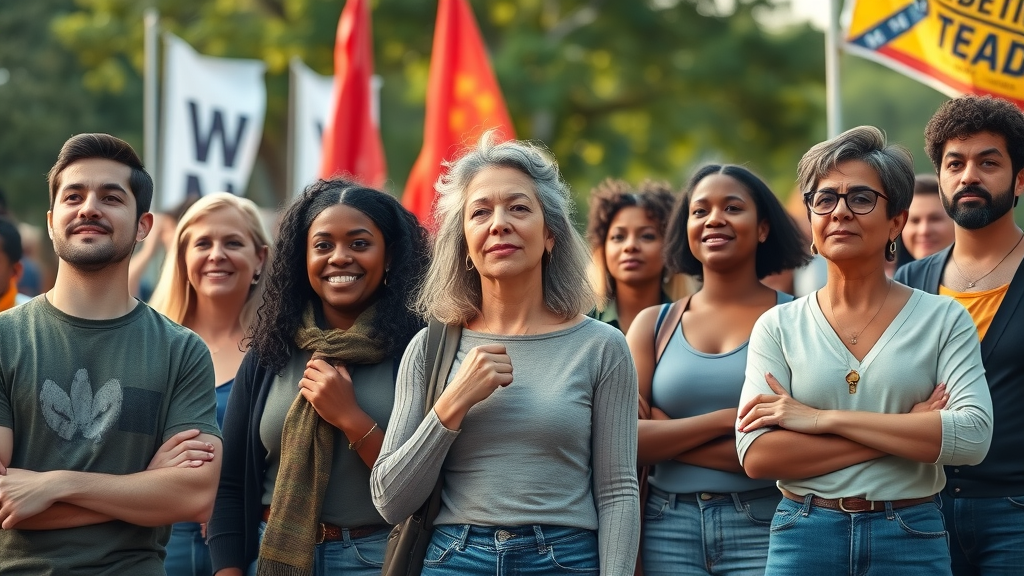
public health advocacy diverse community group standing together in city park

What You Will Gain from Understanding Public Health Advocacy

  • Develop a foundational understanding of public health advocacy;
  • Recognize the importance of health advocacy roles;
  • Learn the three types of advocacy and how they apply to healthcare;
  • Explore practical strategies and examples of public health advocacy;
  • Discover actionable steps to become a successful public health advocate.

Defining Public Health Advocacy: Bridging Policy and People

What is Public Health Advocacy? Key Roles and Importance

Aspect Description
Definition The process of promoting public health policies and practices
Stakeholders Individuals, communities, policymakers
Impact Policy changes, improved health outcomes, increased awareness

Public health advocacy bridges the gap between scientific evidence, community needs, and policy action. At its core, it’s the active support of new and improved health policies , laws, and initiatives that aim to promote health and control disease across populations. Advocates—ranging from local volunteers to global organizations—raise their voices for public health issues like vaccine access, mental health, and clean water. Their efforts can sway public opinion, inspire legislative change, and prioritize urgent health issues that impact millions.

Stakeholders in public health advocacy include not only health professionals and officials but also everyday citizens who care deeply about their communities. By using persuasive, evidence-based communication, advocates influence decision-makers and champion health for all. The goal is to foster changes that lead to better health outcomes for entire populations. When policy changes are enacted, they don’t just affect a single community—they create healthier environments, improve resources, and ultimately save lives on a massive scale.

The Crucial Intersection of Health Advocacy and Public Health

"Public health advocacy transforms community needs and evidence into real-world improvements by influencing decision-makers and public perception."

Health advocacy is more than just raising concerns—it is about taking coordinated action to promote, protect, and advance population health . This vital intersection means that every health advocate , whether working in clinics, legislatures, or neighborhoods, helps turn public health challenges into opportunities for improvement. By focusing on policy change, education, and empowerment, advocates address the social determinants of health and tackle deep-rooted health disparities.

The most effective public health advocates understand the need to work closely with varied stakeholders, including public health officials, community leaders, and government entities. Together, they can address tough public health issues—like tackling the opioid crisis, expanding mental health resources, or championing anti-smoking regulations. Ultimately, strong advocacy leads to better laws, greater awareness, and more resilient health systems. Through this collective power, advocates can elevate health as a human right and create sustainable health improvements for generations to come.

public health advocacy advocate meeting with government official in office

Types of Public Health Advocacy: From Grassroots to Institutional

Exploring the Three Types of Advocacy in Public Health

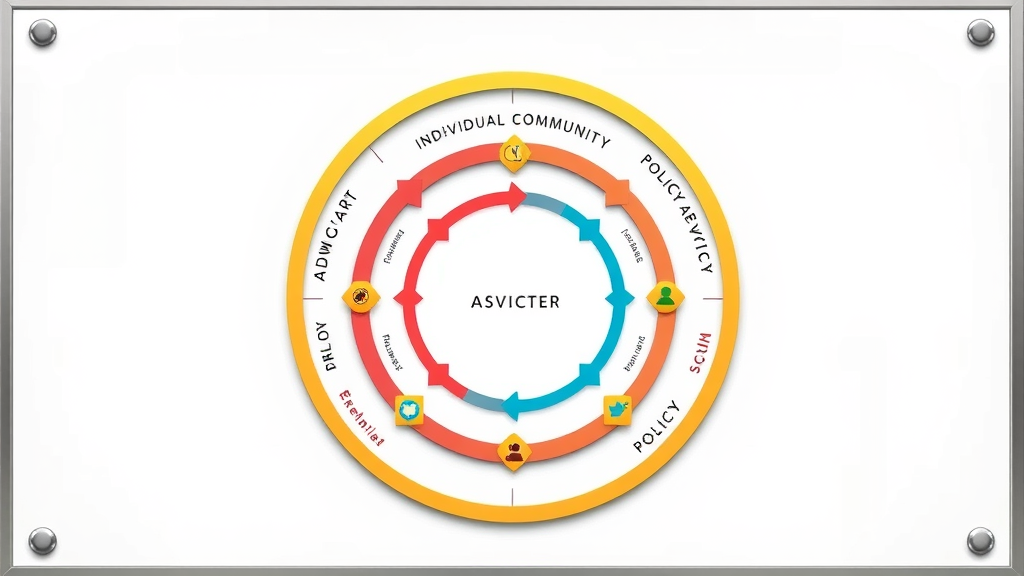
  1. Individual Advocacy;
  2. Community Advocacy;
  3. Systems or Policy Advocacy

Public health advocacy isn’t a one-size-fits-all approach. There are multiple forms of advocacy in healthcare, each operating at different levels and with unique impacts. Individual advocacy typically involves assisting specific people or families as they navigate the healthcare system or address a personal health issue. This hands-on approach supports those facing barriers like language, finances, or access to health.

Community advocacy scales up these efforts, engaging groups and neighborhoods to tackle local health challenges—such as organizing neighborhood wellness events, promoting immunization programs, or fighting for cleaner parks. At the highest level, systems or policy advocacy seeks to change rules, laws, and systemic health practices at local, regional, or even national levels. By leveraging collective voices, advocates can impact policy change, secure funding, and shift the direction of public health for entire populations.
public health advocacy infographic of advocacy types individual community policy

For a closer look at how advocacy can directly influence health regulations and consumer safety, consider the recent developments around food additives. The FDA's decision to ban Red Dye No. 3 is a prime example of how persistent advocacy and scientific evidence can drive regulatory change to protect public health. You can explore the details and implications of this policy shift in this comprehensive overview of the FDA's Red Dye No. 3 ban .

How Each Advocacy Type Powers Health Advocacy on Different Levels

Each type of advocacy is integral to advancing public health goals and tackling persistent health issues. Individual advocacy empowers people to navigate complex systems, inhabit healthier environments, and demand better care. For instance, a health advocate might help a patient secure access to essential medication or negotiate with insurance providers to get necessary treatments.

On the community level, advocates develop programs and coordinate with organizations to address issues like childhood obesity, substance misuse, or mental health. These efforts foster healthier social norms and cultivate support networks that can quickly disseminate information and resources. Systems or policy advocacy, meanwhile, focuses on long-term population health by pushing for new laws, funding priorities, and structural reforms—like passing clean air legislation or securing mental health parity in insurance coverage. Together, these types of advocacy build a tapestry of support that advances population health and promotes healthy communities across the globe.

Why Public Health Advocacy Matters: Real-World Impact and Examples

Case Studies: Successful Public Health Advocacy Initiatives

  • Tobacco control campaigns;
  • Immunization advocacy;
  • Mental health policy reforms

Public health advocacy delivers tangible results. Take tobacco control campaigns as an example—decades of dedicated advocacy have led to stringent health laws restricting advertising, increasing taxes, and establishing smoke-free zones. These changes have directly contributed to a decline in tobacco-related diseases, illustrating the power of persistent policy change. Similarly, immunization advocacy has protected countless children and adults from preventable diseases. By supporting evidence-based messaging, building trust, and addressing public misperceptions, advocates have increased vaccine uptake and reduced the spread of deadly illnesses.

Mental health policy reforms highlight another accomplishment, as advocates have promoted the inclusion of mental health services in public health systems. Through coalition building and direct engagement with policymakers, advocacy groups have secured insurance parity, reduced stigma, and ensured mental health is recognized alongside physical health. These examples prove that effective health advocacy can save lives, improve access to services, and change the trajectory of public health.

What Is an Example of Advocacy in Healthcare?

Imagine a healthcare worker taking the time to help a group of patients understand their rights to medication access. By clarifying prescription rules and walking patients through the insurance process, that health advocate is performing a critical role in supporting the community. This kind of daily advocacy creates immediate and lasting impacts, from ensuring continuity of care to connecting patients with social services. Often, it’s these “small” acts—answering questions, sharing resources, or challenging unfair practices—that ultimately change lives and support broad public health issue solutions. By addressing health challenges at the ground level, advocates help promote health equity and ensure everyone receives the support they need.

public health advocacy empathetic healthcare worker helping group of patients in clinic

Becoming a Public Health Advocate: Steps to Make a Difference

How to Become a Public Health Advocate: Skills, Education, and Pathways

Becoming a public health advocate is open to anyone dedicated to improving the health of others and their community. While many advocates work in health professions such as epidemiology, nursing, or health education, others come from different backgrounds—including social work, policy, and environmental science. Education in public health, health policy, or related fields provides a strong foundation, but practical experience is equally valuable. Volunteering with community organizations, joining a health association, or interning at a public health agency all offer hands-on skills that are essential for effective advocacy.

Key skills for advocates include strong communication and the ability to convey complex health issues in relatable, motivating ways. Strategic networking, robust research capabilities, and a commitment to evidence-based solutions are also vital. With perseverance and passion, anyone can embark on the journey to promote health and push for positive policy changes at every level—from local clinics to international health organizations.

Essential Qualities of an Effective Public Health Advocate

  • Empathy and cultural competence;
  • Evidence-based communication;
  • Strategic networking;

The best health advocates combine compassion with clear, data-driven communication. Empathy helps them connect with diverse populations, while cultural competence ensures that solutions respect different values and lived experiences. Evidence-based skills allow advocates to speak persuasively with policymakers, health officials, and the media—ensuring decisions are guided by the latest research, not by misinformation or bias.

Building a strong professional network within the health sector amplifies advocacy impact. By collaborating with like-minded groups, attending conferences, and staying informed about current public health issues, advocates remain aware of emerging health challenges and solutions. This adaptable, collaborative mindset is the hallmark of effective advocacy, enabling progress even in the face of setbacks or changing political priorities.

public health advocacy student researching public health topics in library

Watch and learn the essentials of public health advocacy, including the critical roles it plays in shaping health policies, outcomes, and communities. (Embed video here if available)

Overcoming Challenges in Health Advocacy: Barriers and Solutions

Common Obstacles in Public Health Advocacy

  • Political resistance;
  • Resource limitations;
  • Public misperceptions

Advocating for public health is never without its obstacles. Political resistance can arise when proposed health policies are seen as controversial or threaten established interests. Even well-supported health initiatives may falter if resources—funding, staff, or training—are lacking. In addition, public misperceptions or misinformation can undermine support for science-based interventions, as seen in ongoing debates over vaccines or climate change policy. These challenges require creative, persistent, and informed responses from advocates at all levels.

Understanding these barriers is the first step to overcoming them. Framing health issues in clear, relatable ways, building broad-based coalitions, and leveraging technology to distribute accurate information are effective strategies. By remaining adaptable and responsive, advocates can anticipate resistance and adjust tactics to maintain momentum, even when the path to health policy change is difficult.

Strategies to Address Advocacy Barriers

To address these obstacles, successful advocates cultivate relationships with policymakers, leverage media to amplify their messages, and prioritize ongoing education of the public. Building alliances across sectors—such as engaging educators, businesses, and faith leaders—expands the network of support and helps to break down silos that can hinder progress. Utilizing social media, storytelling, and visually engaging materials can counteract misinformation and keep the public engaged with key health issues.

Furthermore, advocates must nurture resilience and flexibility when responding to changing legal or policy environments. They can appeal to shared values like community well-being, fairness, and the common good, which often transcend partisan divides. In doing so, they help foster a culture that values health and is willing to make collective investments for long-term benefits.

public health advocacy advocates brainstorming solutions to health advocacy barriers

Ethical Considerations in Public Health Advocacy

Public health advocacy demands a deep commitment to ethical principles. Advocates must respect the autonomy, dignity, and privacy of individuals and communities involved in advocacy efforts. They must also be vigilant about avoiding conflicts of interest and ensuring that interventions are both evidence-based and culturally sensitive. Honest communication and transparency about goals, limitations, and potential risks build trust with stakeholders, which is crucial for long-lasting impact. By putting ethics at the forefront, advocates strengthen the accountability and effectiveness of their work, ensuring efforts truly promote healthy outcomes for all.

Experience real-life journeys of health advocates making a difference in their communities. (Embed video here if available)

Frequently Asked Questions on Public Health Advocacy

What is the public health advocacy?

Public health advocacy is the process of promoting changes in health policies, systems, and practices that benefit entire populations. Advocates work to identify health issues, engage with stakeholders, and influence decision-makers to advance positive health outcomes, reduce disparities, and build healthier communities.

What are the three types of advocacy?

The three main types of advocacy in public health are individual advocacy (supporting personal or family health navigation), community advocacy (addressing local public health challenges through collective action), and systems or policy advocacy (seeking wider changes in public policy and law to promote health and equity).

What is an example of advocacy in healthcare?

An example of healthcare advocacy is a nurse helping patients understand their rights and access necessary treatments, or a community leader organizing a campaign for wider mental health resources. These efforts remove barriers and promote healthy outcomes for individuals and larger communities alike.

How to become a public health advocate?

You can become a public health advocate by pursuing education in health-related fields, volunteering in your community, joining a health association, and developing strong communication and networking skills. Anyone passionate about improving health outcomes can make an impact, regardless of their professional background.

Take Action: Amplify Your Public Health Advocacy Voice Today

  1. Join public health advocacy groups;
  2. Support health campaigns;
  3. Connect with policymakers;
  4. Share credible information with your community;

Every step you take to champion public health—whether volunteering, spreading reliable news, or connecting with local health officials—helps to amplify your voice and the collective power of advocates around the world. The drive for better health begins with one person and multiplies with every action. Your advocacy can inspire policy change and improve lives for generations.

A Recap: Your Role in the Future of Public Health Advocacy

  • Everyone can contribute to public health advocacy;
  • Change at the local and global level depends on collective action;
  • Ongoing education and advocacy are essential for public health progress

Take action and ensure your voice is counted—your advocacy can build a healthier, more resilient world for everyone.

As you continue your journey in public health advocacy, consider how global health trends and emerging threats can shape the priorities of advocates everywhere. For a broader perspective on how rising health concerns—such as the resurgence of infectious diseases—demand coordinated advocacy and policy responses, explore the latest insights on rising tuberculosis cases and global health warnings . Deepening your understanding of these issues will empower you to make an even greater impact in your advocacy efforts and help build a healthier future for all.


Family Health

68 Views

Write A Comment

*
*
Please complete the captcha to submit your comment.
Related Posts All Posts
07.04.2026

Unlock Trust and Authority with My Wellness Train Now

Imagine walking into a community wellness event where every handshake comes with a story of transformation and trust. The room is filled with certified wellness coaches whose reputations precede them—not from flashy advertisements or sales reps, but because their clients trust them, and their brands radiate authority. This level of credibility doesn’t happen by accident. In today’s competitive healthcare landscape—especially in dynamic regions like Raleigh and its surrounding towns—trust and authority with My Wellness Train have become the cornerstones for thriving wellness coaching businesses. In this article, we’ll dive into the strategies, systems, and mindsets that help wellness professionals go beyond coaching skills to become essential pillars of their communities. Why Trust and Authority with My Wellness Train Is the Cornerstone of Wellness Coaching In the world of wellness coaching, trust and authority are not just buzzwords—they are the true engine of sustainable business growth. The most successful wellness coaches build trust with patients through transparent credentials, reliable expertise, and a consistent brand message. When potential clients search for a certified wellness coach in Raleigh, Cary, or Wake Forest, they seek reassurance that they're making the right choice. Authority comes from recognized certifications, educational outreach, and authentic community involvement. My Wellness Train is designed to be more than a directory: it’s a regional authority hub where professional reputations are earned, displayed, and trusted by the communities they serve. Across the Triangle and beyond, an effective coaching business blueprint centers on building trust and nurturing brand love. Patients are drawn to certified wellness professionals who don’t just claim expertise—they demonstrate it with every interaction, every community event, and every educational article. Your journey as a wellness coach is transformed when you show your credentials, share real transformation stories, and consistently engage across multiple channels. The impact? Stronger client relationships, higher retention, and—most importantly—a reputation for being the go-to wellness resource in every local market. Understanding the Importance of Trust and Authority with My Wellness Train in Wellness Coaching How trust and authority underpin wellness coach effectiveness Why patients choose certified wellness coaches they trust The impact of authority on the success of your wellness coaching business What You'll Learn about Trust and Authority with My Wellness Train The strategic advantages of the hub-and-spoke approach Steps to build brand love through trust and authority with My Wellness Train How a certified wellness coach can become a local health authority Essentials for AI readiness for coaching businesses Laying the Foundation: Build Trust and Authority with My Wellness Train No coach career guide can overstate the power of first impressions. Foundational content is your handshake with new clients—it introduces your expertise, explains your approach, and reassures those seeking guidance. The Hall of Excellence inside My Wellness Train is where trust is visually and narratively established. Here, certified wellness coaches are showcased for their credentials, community involvement, and transformative impact. This is where educational resources such as FAQs, preventive wellness articles, and treatment guides reinforce your expertise. But building authority isn’t just about what you say—it’s also about how your presence is felt within your community. Reliable wellness coaching simulation scenarios, authentic patient testimonials, and participation in local events go a long way to demonstrate a coach’s commitment to health and wellness. By consistently publishing valuable content and engaging in visible community outreach, a certified wellness coach moves beyond being just a service provider to becoming a trusted advocate for healthier living. Creating Foundational Content as a Certified Wellness Coach Hall of Excellence: Showcasing certified wellness coaches—not just as practitioners, but as community leaders. Educational resources: FAQs, treatments, and preventive education that answer real questions and concerns, helping people understand how to take charge of their health and wellness. Community outreach: Regularly participating in local workshops, school health days, or partnering with youth advocates and high school initiatives to grow public trust and authority both in and outside the clinic. Developing Brand Love and a Strong Brand Voice Building brand love goes far beyond periodic marketing blasts or social media posts. It’s about developing a recognizable, reliable, and trustworthy brand voice—a promise that every wellness coach in the My Wellness Train network embodies with every interaction. When your approach consistently puts client well-being front and center, and your messaging is transparent and empathetic, patients naturally gravitate towards you. This deepens connections and cements your place as a cornerstone for community health. “The secret sauce is trust. Health is built on trust—and your brand's promise must reflect that reliably. ” Regional Market Domination: How Wellness Coaching Grows with Trust and Authority with My Wellness Train The hub-and-spoke strategy is what transforms isolated efforts into a powerful network effect. Imagine Raleigh as your central hub, radiating influence out to Cary, Garner, Wake Forest, Apex, and every surrounding town. For each of these markets, you structure content and outreach in a way that repeats but adapts—creating a web of trust and authority. This regional marketing blueprint is not just theory; it is an actionable plan for becoming the primary wellness resource in the entire Triangle area. Velocity matters in this approach—by frequently publishing articles, videos, success stories, and social posts, your coaching business doesn’t just stay current; it stays top-of-mind. Each certified wellness coach becomes a familiar authority across various channels: Google, Facebook, Instagram, YouTube Shorts, and Pinterest. As you strengthen your consistent presence, you reinforce both your brand and your expertise, distinguishing My Wellness Train as a go-to authority—far beyond what any single practitioner could achieve alone. Implementing the Hub-and-Spoke Strategy for Your Coaching Business Raleigh and the surrounding towns as marketing hubs—expand your reach by creating specific, hyperlocal content for each area. Content velocity: frequent articles, engaging videos, and regular social posts actively build trust and reinforce authority in every community. The importance of consistent presence across all channels: maintain recognizable branding, messaging, and value wherever your patients engage with health and wellness content. Localizing Wellness Coaching Content for Every Community Feature local certified wellness coaches and patient success stories: Building community trust with relatable human stories tailored for residents of each town. Curate local healthcare news and wellness events: Keeping communities informed about the latest updates, including wellness youth events, and showcasing your engagement with local initiatives. Provide resources tailored for each community: From guides on accessing local wellness centers to listings of specialized healthcare professionals, help every resident feel seen and valued. Why trust matters most in selecting a certified wellness coach AI Readiness: Elevating Trust and Authority with My Wellness Train in the Digital Age The next frontier for any wellness coaching business is digital authority. As AI increasingly influences search results and customer choices, your brand’s Source of Truth becomes crucial. This is more than just having a well-branded website; it’s about ensuring that every piece of content, every certified wellness coach profile, and every outreach message is clear, consistent, and easy for AI to understand. Establishing and documenting your processes, brand voice, and messaging not only boosts authority in the eyes of patients but also makes your business more adaptable in the fast-evolving digital landscape. Conducting AI Readiness Audits is the smart entry point for modern coaching businesses. By systematically reviewing brand voice, services, content, and SEO for each practice or professional, you lay a consistent foundation for future growth. This “audit first” approach, recommended by industry leaders, ensures your business can capitalize on new technology while preserving the fundamental trust that drives referrals and lasting client relationships. Building a Source of Truth: Ensuring Consistency in Wellness Coaching Establishing a clear brand voice for every certified wellness coach profile across all touchpoints. Documented processes for messaging, services, and SEO—creating a reliable blueprint and workflow for every coaching business in the My Wellness Train network. Benefits of AI Readiness Audits: Consistent authority and trust over time, improved marketing performance, and seamless scalability as you expand regionally. How an AI Readiness Audit boosts authority for wellness coaching businesses Featured Content: Enhance Trust and Authority with My Wellness Train through Unique Community Engagement While foundational content establishes your credibility, featured content distinguishes you as an industry leader. In My Wellness Train’s Hall of Excellence, every certified wellness coach is recognized not only by their credentials, but by their authentic impact on local health outcomes. Highlighting awards, patient testimonials, and the stories of transformation reinforces community trust and showcases why your brand is worthy of local authority status. Celebrating the achievements of your network’s wellness professionals, from leading public workshops to achieving patient health milestones, illustrates how trust translates into real health improvements. These stories, coupled with visible recognition and regular updates, drive enduring enthusiasm and brand love within your local audience. Recognizing Excellence in Wellness Coaching "Every Hall of Excellence profile is a story of trust, connection, and local expertise. " Success Stories: Certified Wellness Coaches Making a Difference Highlight specific community health improvements through collaborative programs and measurable outcomes. Showcase recognition and awards received by wellness coaches, further building authority in their specialties. Illustrate patient testimonials and transformations that inspire trust and encourage new clients to take the next step towards wellness. Reference Table: Key Components of Trust and Authority with My Wellness Train Component Role in Wellness Coaching Example in My Wellness Train Hall of Excellence Certifies authority Local featured coaches Localized Content Builds trust Community wellness news Consistent Messaging Strengthens brand Brand guide for coaches FAQs on Trust and Authority with My Wellness Train What is the 5 3 1 rule for wellness? The 5 3 1 rule is a simple, powerful guideline embraced by certified wellness coaches to promote daily well-being: 5 servings of fruits and vegetables, 3 meaningful connections, and 1 act of physical movement each day. This rule helps clients build small, sustainable habits that can create lasting change. Certified coaches apply it in their programs by tracking daily activities and encouraging compliance, which builds trust and demonstrates an expert’s ongoing commitment to client health. What can I use my wellness fund for? Wellness funds typically cover a range of services and products recommended by certified wellness coaches, such as nutritional counseling, fitness sessions, mental health workshops, and holistic wellness programs. Clients rely on the trusted advice of their coach to maximize these funds, ensuring that investments go towards evidence-based, transformative care that aligns with their health goals. What are the 7 pillars of wellness? The 7 pillars of wellness are fundamental aspects of holistic health: Physical, Emotional, Social, Spiritual, Intellectual, Environmental, and Occupational. Certified wellness coaches use these pillars as a framework to create comprehensive coaching programs, helping clients achieve balance and long-lasting results. Emphasizing the full spectrum of wellness builds trust, showcases expertise, and sets a wellness coaching business apart as a health authority. How much does a wellness program cost per month? The investment in a monthly wellness program varies based on the services, expertise, and value delivered by certified wellness coaches. While the cost is unique to every coaching business, clients are encouraged to view wellness spending as an investment in expert guidance, long-term health, and the trust that comes from working with recognized authorities like those spotlighted on My Wellness Train. Key Takeaways from Building Trust and Authority with My Wellness Train Trust and authority are foundational to every successful wellness coaching business Hyperlocal content establishes your certified wellness status in every community AI readiness and systematic publishing drive long-term authority Featuring excellence and authentic stories builds enduring brand love Begin Your Journey: Leverage Trust and Authority with My Wellness Train to Become a Recognized Wellness Coach Become the resource your community can trust. Start by building your foundational presence with My Wellness Train, championing local excellence and brand love—one coach, one story, and one thriving town at a time.

06.25.2025

Community Wellness Projects Making Real Impact Today

Did you know? Communities with active wellness projects report up to 20% lower rates of chronic disease compared to those without structured interventions. Community wellness projects are more than mere buzzwords—they represent a real, powerful force reshaping public health and creating long-term benefits for every community member . If you’ve ever wondered how local wellness programs work, what makes them thrive, or how you can ignite positive change in your area, this comprehensive guide will give you the answers and inspire action. The core principles and goals of community wellness projects Key features of effective community wellness programs and activities Practical steps to promote wellness in your local community Examples of impactful community wellness projects Answers to common questions about community wellness and public health How Community Wellness Projects Are Transforming Public Health Community wellness projects are revolutionizing the way public health outcomes are realized across neighborhoods, towns, and cities. Unlike isolated health care initiatives, these projects focus on the collective wellness of community members . By addressing factors like healthy eating, physical activity, and health equity , community wellness projects create sustainable, positive change and fight issues such as chronic disease , poor health outcomes, and mental health struggles. Take, for example, a city that implements a community garden —not only does this increase local food access, but it also encourages social interaction, active lifestyles, and healthy nutrition choices for all age groups, from children to seniors. These projects are designed to reduce barriers to health care and bring services directly to where people live and work, contributing to the community’s long-term vitality. Simply put, the impact of community wellness projects extends to every corner of local life, promoting accessible health and wellness solutions that truly work for all. "Did you know? Communities with active wellness projects report up to 20% lower rates of chronic disease compared to those without structured interventions." – National Public Health Institute Understanding Community Wellness Projects and Their Purpose At their core, community wellness projects serve as structured initiatives that unite residents, organizations, and leaders with a shared goal—to improve physical, mental, and social health within their communities. By fostering meaningful community engagement and prioritizing inclusive participation, these projects tackle underlying causes of poor health outcomes such as childhood obesity , unmanaged chronic disease , and disparities in access to health services . Whether organizing group fitness classes, health fairs, or nutrition workshops, a successful community wellness program is anchored in understanding local needs and tailoring activities accordingly. Unlike individual-focused wellness efforts, community wellness projects leverage the unique strengths of each community. Collaborative partnerships with public health agencies, local businesses, and care organizations help to maximize impact and minimize gaps in health care . By addressing both health education and the social determinants of health, these projects foster long-term wellness and resilience for all community members . What Makes a Community Wellness Program Effective? An effective community wellness program stands on three pillars: inclusivity, health equity , and sustainability. First, the most successful projects ensure every member—regardless of age, background, or ability—can participate and benefit. Programs designed with community input are more likely to address real needs and avoid unintended barriers. Second, promoting health equity is essential. This means deliberately reducing obstacles that prevent certain populations, such as African Americans or those facing socioeconomic challenges, from receiving vital health care or accessing healthy food . Lastly, sustainability hinges on continuous feedback, regular progress evaluations, and adaptable activities that stay relevant as community demographics and health issues evolve. When wellness projects are anchored in these principles, their positive impact on community health can persist for generations. Key Elements of Community Wellness Projects: Wellness Activities, Health Equity, and More Every outstanding community wellness project includes a thoughtful variety of activities designed to boost both individual and community health. These often range from group fitness sessions and mental health awareness workshops to food access initiatives and social gathering events. By addressing mental health , healthy nutrition, and regular physical activity , wellness programs build protective factors that enhance resilience and improve quality of life for all. Prioritizing health equity ensures that resources and services are distributed fairly, with deliberate action to serve those most at risk of poor health . Intersecting strategies—like partnering with local health services, increasing healthy food access , and facilitating peer-led support networks—are key elements that distinguish highly impactful projects from less effective ones. These projects are further strengthened by robust evaluation systems that track progress and adapt services to evolving needs, ensuring sustained improvement in public health outcomes. Leading Examples of Community Wellness Projects Making Real Impact Across the country, standout community wellness projects demonstrate what’s possible when community members rally around shared health goals. The best projects provide measurable benefits—like significantly reducing risk factors for heart disease, improving access to nutritious foods, and engaging youth in mental health initiatives. For example, a successful wellness program might offer free group exercise, nutrition counseling, and mental health check-ins, all designed to build healthier habits community-wide. These initiatives prioritize community engagement and inclusivity, often collaborating with public health and health service agencies to ensure no one is left behind. When local governments, schools, nonprofit organizations, and everyday residents work together, they can overcome barriers that cause poor health outcomes and lay the foundation for a brighter, healthier future. Below is a snapshot of real projects and their transformative outcomes: Top Community Wellness Projects & Their Measurable Outcomes Project Name Focus Area Community Impact Healthy Hearts Initiative Community Health 30% drop in heart risk Mindful Youth Movement Mental Health 400 youth engaged Food Access Coalition Health Equity 15% increase food sec. How These Wellness Projects Advance Health Equity and Community Health Each of these community wellness projects demonstrates a strong commitment to health equity by identifying and reducing barriers that prevent vulnerable groups from accessing vital health care . For instance, the “Food Access Coalition” directly addresses local food insecurity and boosts healthy eating habits by providing fresh produce from community gardens and forging partnerships with local farmers. Similarly, the “Mindful Youth Movement” targets an often underserved group—young people struggling with mental health challenges—by delivering targeted support and engagement programs. These efforts offer crucial lessons in community health: when projects are built on equity, collaboration, and responsive adaptation to community needs, their positive effects ripple outward. By focusing not just on the absence of illness but on the presence of opportunity, support, and inclusion, wellness programs redefine what it means to improve health in lasting, meaningful ways. Steps to Launch Successful Community Wellness Projects in Your Area Anyone inspired to improve local health outcomes can spearhead a thriving community wellness project . The process starts with a clear-eyed assessment of what your community needs most: Is there a gap in mental health support? Insufficient food access ? A lack of safe spaces for physical activity? Engaging community members and stakeholders in honest discussion is essential. It fosters buy-in and brings diverse perspectives to the planning table, ensuring that your project will effectively reduce barriers and address real-world challenges. Strong projects are built through inclusive program design, involving everything from collaboration with public health agencies and health services to hands-on engagement with schools, local businesses, and resident leaders. Regular promotion of wellness activities—whether fitness events, nutrition seminars, or support groups—keeps the momentum going. Finally, ongoing evaluation and progress tracking help to measure impact, celebrate wins, and guarantee continuous improvement over time. Stick to these steps for the best chance of creating a lasting, positive difference. Assess Community Needs with Local Stakeholders Design Inclusive Wellness Programs Partner with Health Services and Public Health Agencies Promote Events for Mental and Physical Wellbeing Evaluate and Track Progress for Community Members How Community Members Can Promote Wellness: Practical Activities and Strategies Every community member plays a vital role in making wellness projects successful. Even small-scale actions—like organizing a neighborhood event, starting a community garden, or volunteering for a local wellness program—help build a culture of health and inclusion. By working together and pooling resources, individuals can break down social isolation, encourage physical activity , and ensure that initiatives address broad community health needs. Getting creative with wellness activities is key. Consider hosting group fitness classes, forming peer-led support networks, or partnering with local health providers for educational workshops on chronic disease management and healthy nutrition. These hands-on steps do more than just improve health—they foster belonging and resilience, making your community a model for others to follow. Organize a wellness event featuring local health services Facilitate group fitness or mental health workshops Start a community garden to address food equity Implement peer-led support networks for wellness programs Engaging Community Members in Community Wellness Programs Getting more people involved in community wellness programs is all about creating welcoming, accessible opportunities. Make use of local media, schools, faith organizations, and public gathering spots to spread the word about upcoming wellness activities. Listen closely to feedback and adjust offerings to match evolving priorities—are people seeking more mental health support, or do they want regular outdoor exercise groups? Collaboration with established public health agencies and health service providers can enhance credibility and increase resources. Encourage peer ambassadors or community champions to lead by example, which often inspires greater participation from underrepresented groups. When inclusion, communication, and flexibility guide your outreach, you’ll witness powerful, collective movement toward improved community wellness . People Also Ask: Key Questions About Community Wellness Projects What are community wellness programs? Community wellness programs are structured initiatives designed to improve health, wellbeing, and quality of life for community members through activities, education, and resources that address physical, mental, and social health. What are some good wellness activities? Examples of wellness activities include group exercise classes , nutrition workshops, health screenings, mental health awareness sessions, community walks, and gardening—all of which can be part of a community wellness project . In what ways can you promote wellness in your community? You can promote wellness by organizing community events , collaborating with public health organizations, encouraging healthy lifestyle choices, and providing access to reliable health services through wellness projects. What is a community wellness event? A community wellness event is a publicly organized activity focused on improving the health and wellness of community members, such as health fairs, fitness days, or educational workshops that are part of a broader community wellness program . Frequently Asked Questions on Wellness Programs, Projects, and Public Health How do community wellness projects differ from individual wellness programs? Community wellness projects address group needs and collective health determinants, while individual wellness programs focus on personal goals. Community projects offer broader impact through shared activities and resources. What role do health services play in supporting community wellness? Health services provide essential screenings, education, and clinical support during community health events, amplifying program effectiveness by linking residents to ongoing care. How can public health data drive project funding and focus? Data helps identify priority health issues, target vulnerable populations, and demonstrate outcomes to attract funding. Data-driven approaches maximize efficiency and impact in wellness projects. Who should be involved in planning community wellness projects? Engaged residents, local leaders, health care providers, schools, public health officials, and nonprofit organizations all bring vital perspectives to the planning and delivery of successful community wellness projects. Key Insights and Takeaways from Successful Community Wellness Projects Community engagement is critical to success Incorporating health equity leads to sustainable outcomes Diverse wellness activities address broad community needs Constant evaluation ensures long-term project effectiveness Ready to Start or Join a Community Wellness Project near You? Now is the time to take action—reach out, get involved, and help shape the future of community wellness projects in your area. Your efforts can make a lasting difference for everyone.

06.24.2025

Community Health Initiatives That Change Lives Today

Imagine communities where accessing quality health care becomes a right, not a privilege—and life expectancy for underserved populations can rise by as much as 15 years through dedicated community health initiatives. These are not just programs on paper; they are lifelines that stand between countless individuals and preventable illness. Today, let’s step inside the real stories and strategies behind the community health initiatives that are truly changing lives. From Unseen Heroes to Life-Changing Results: The Real Power of Community Health Initiatives At the heart of every thriving community sit unseen heroes—community health workers, nurses, and volunteers—whose commitment fuels impactful community health initiatives . These programs go far beyond routine health screenings or clinical visits; they launch transformational journeys, connecting individuals to resources such as medical care, mental health support, and essential social services. By uniting local health departments, community partners, and residents, these initiatives are redefining what a successful health system looks like. Take for example, compassionate health workers who travel into rural health clinics, bridging gaps where primary care would otherwise be unreachable. Or public health strategists who collaborate with diverse community organizations, designing interventions that address the social determinants of health and chronic disease management. Through such intensive collaboration, today’s community health initiatives don’t just treat illness—they ignite lasting change by advocating for health equity and empowering people to lead healthier lives. "Did you know that effective community health initiatives can increase life expectancy in underserved populations by up to 15 years? These initiatives aren’t just programs; they’re lifelines." Why Community Health Initiatives Matter More Than Ever The role of community health initiatives in today’s world cannot be overstated. With health disparities widening and vulnerable populations facing mounting barriers to care, targeted health programs have become a crucial intervention. These initiatives do more than fill gaps; they help build a foundation for a fair system where everyone has the opportunity for good health. At a time when medical care access is uneven across regions, bold action through collaborative efforts is our most powerful tool. Especially in challenging times, such as public health crises or economic downturns, successful initiatives showcase how investments in community-led programs can fortify support networks, drive measurable health outcomes, and ultimately improve quality of life for countless individuals. Reducing health disparities through targeted health programs Increasing access to medical care for vulnerable groups Collaborating with community partners to build strong health systems What Will You Learn About Effective Community Health Initiatives? Whether you’re an advocate, policymaker, or curious community member, understanding what makes health initiatives work is key to replicating their success. This article aims to highlight the blueprint for effective programs, emphasizing evidence-based strategies, collaboration with community health workers, and lasting partnerships across diverse health systems. You’ll also gain insights into how these efforts directly impact mental health, chronic disease, and the health equity gap. How health initiatives address chronic disease and mental health Public health strategies that drive measurable community impact The role of local health initiatives and community health partners Key Features of Successful Community Health Initiatives Engaging Community Partners for Maximum Impact Genuine impact in community health initiatives begins with strong, ongoing partnerships. Local health organizations, schools, clinics, and grassroots leaders form the backbone of these transformative efforts. When diverse community partners work side by side, they are able to tap into local knowledge and tailor health programs that resonate with specific populations—be it urban neighborhoods or rural communities. Effective collaboration doesn’t just happen overnight; it’s built on mutual respect, open communication, and collective investment in shared goals. Engaging a broad range of stakeholders—including faith groups, public health departments, and even local businesses—enables initiatives to draw on a wider pool of resources, ideas, and community trust. This, in turn, fosters sustainable, scalable solutions that can weather changing public health needs. Addressing health disparities is a complex challenge that often intersects with broader social and economic issues. For a deeper understanding of how these disparities can impact healthcare costs and outcomes, especially in critical situations, you may find it insightful to explore the latest findings on racial disparities in emergency surgery costs and their implications for community health. Tackling Health Disparities and Building Equitable Health Systems Addressing health disparities is a central aim for any effective community health initiative . These efforts are often designed to target the underlying social determinants of health—such as poverty, access to healthy food, affordable housing, and education—that shape entire communities’ well-being. True health equity can only be achieved by dismantling structural barriers and ensuring that marginalized populations are prioritized in health service delivery. Equitable systems rely on continuous community engagement and flexibility. This means adapting programs over time, integrating real-time data, and respecting the lived experiences of those most impacted by health inequities. By building programs in partnership with those who know their community best, health departments and partners can develop nimble operations that thrive even in the toughest circumstances. Community Health Initiatives in Action: Transformative Programs That Inspire Across the country, real-world community health initiatives offer shining examples of possibility. Programs such as Healthy Neighborhoods, the Youth Wellness Project, and the Urban Fresh Food Initiative illustrate what’s possible when innovation, collaboration, and a drive for equity come together. Focus Program Results Increase access, chronic disease prevention, mental health support Healthy Neighborhoods Reduced diabetes rates by 20%, improved mental health outcomes Public health education, access to care, health system navigation Youth Wellness Project 90% school participation, reduced absenteeism linked to illness Health initiatives tackling food insecurity, collaboration with community partners Urban Fresh Food Initiative Tripled produce consumption in target areas, improved child nutrition These case studies highlight measurable benefits: not just in terms of increased access to care, but also in substantial progress on chronic disease prevention and positive mental health outcomes. They reinforce the transformative potential of cross-sector partnerships, especially in addressing persistent issues such as health disparities and childhood nutrition. The Role of Public Health in Community Health Initiatives Public health departments—the unsung architects of community health initiatives —play a crucial role in galvanizing and scaling local efforts. Their leadership is vital in monitoring health trends, identifying at-risk groups, and deploying resources efficiently across health systems. By uniting health service providers, policymakers, and community members, public health teams pave the way for broader health equity and systemic change. This public health-centered approach ensures that strategies are evidence-informed and outcomes-focused, shifting community health from a series of isolated actions into a cohesive, sustainable health system that adapts as public health needs evolve. Integrating Mental Health into Community Health Strategies With mental and behavioral health concerns on the rise, integrating these components into community health initiatives is critical. Programs that offer counseling, outreach, and peer support can dramatically reduce stigma, improve well-being, and strengthen overall community resilience. Often, such services are coordinated with other social support—like food assistance or housing—acknowledging that mental health thrives best in a context of overall stability. Local health initiatives increasingly rely on culturally competent mental health workers and counselors who tailor care to specific community needs. These professionals often collaborate with schools, clinics, and grassroots organizations to ensure help is accessible, confidential, and responsive. Chronic Disease Management in Community Health Initiatives Chronic disease—like diabetes, hypertension, and asthma—remains one of the leading challenges for community health efforts. Community health initiatives tackle these issues head-on with coordinated screenings, lifestyle education, and ongoing management support. Through regular monitoring and easy-to-navigate pathways to care, organizations not only address acute medical needs but work on preventing future complications. Leveraging partnerships with primary care providers and local health clinics, these programs bridge the gap between patients and providers, offering a medical home environment that is welcoming, accessible, and attuned to each person’s unique circumstances. How Community Health Partners Build Sustainable Health Systems Sustainability is the endgame for every community health initiative . By forging alliances among health departments, non-profit organizations, social services, and even private sector actors, these initiatives build networks capable of adapting to public health shifts. This “web of support” ensures no one falls through the cracks and empowers community members to take an active role in their own health journey. Such sustainable systems foster a sense of ownership and accountability among community partners, driving ongoing improvement and resilience—especially important in marginalized or resource-limited settings. Increasing Access: Breaking Down Barriers Through Health Initiatives Increasing access is a cornerstone of all effective community health initiatives . Breaking through the walls of affordability, transportation, and even language barriers, programs focus on reaching those who have consistently been left out of traditional health systems. This is achieved through strategically placed clinics, mobile health services, and outreach campaigns that prioritize local needs. Often, success is measured not only by the number of people served, but by the long-term reduction in hospitalizations, improved disease prevention, and a rise in trust between healthcare providers and community members. "True success in public health is measured by the doors we open for those who have been left behind." People Also Ask: What is a community health initiative? A community health initiative is a coordinated effort by organizations and community members to address and improve health outcomes in a specific population, often targeting health disparities, access issues, or chronic disease prevention. People Also Ask: What is an example of a community-based health program? An example is a neighborhood diabetes prevention program that combines health education, free screening events, nutritional support, and local partnerships to reduce diabetes rates among residents. People Also Ask: What are local health initiatives? Local health initiatives are projects designed and implemented within a specific community, often focusing on local health disparities, mental health support, and chronic disease management to meet the unique needs of the area. People Also Ask: What is a key goal of community health initiatives? A key goal is to create health equity by reducing barriers to care and improving health outcomes across the entire community, particularly for marginalized populations. Challenges and Lessons Learned in Launching Community Health Initiatives Even the most ambitious community health initiatives face real-world obstacles on the path to success. Resource constraints and funding shortfalls are ongoing concerns, especially in underfunded health systems serving rural or marginalized populations. Overcoming these hurdles demands creative problem solving, efficient use of existing assets, and relentless advocacy for additional resources. Another challenge lies in keeping community engagement strong over time. Changing community priorities, leadership turnover, and even public health crises can threaten momentum. Initiatives that adapt quickly—integrating new data or responding to emerging health threats—demonstrate the resilience needed to stay effective in the long run. Overcoming resource constraints and funding shortfalls Ensuring sustainable community engagement Adapting to evolving public health needs and data FAQs on Implementing Community Health Initiatives How do community health initiatives differ from traditional public health programs? While traditional public health programs often operate from the top down, community health initiatives are locally driven, prioritizing active involvement from residents and adapting strategies to meet specific community needs. What metrics should organizations use to measure success? Key metrics include improved access to care, reduced rates of chronic disease and hospitalization, increased vaccination, and positive feedback from community members on health outcomes. Which stakeholders should be involved from the start? A mix of health departments, local clinics, community leaders, schools, faith groups, and business partners ensures that every facet of the community is represented and invested in the initiative’s success. Case Study Spotlight: Community Health Transformation in Underserved Areas How Local Health Initiatives Reduced Health Disparities in Rural Communities Take rural health as an example: Local health departments collaborated with community health workers, faith groups, and schools to address a concerning gap in primary care access. By deploying mobile clinics, comprehensive health education, and reducing the distance to essential services, they achieved a dramatic decrease in chronic disease rates—demonstrating that localized, collaborative action can disrupt even the most persistent disparities. These interventions were successful because of flexible strategies that responded directly to community feedback and evolving data, reinforcing the critical role that local health initiatives play in shaping the future of public health. Expert Insights: The Future of Community Health Initiatives "The evolution of community health depends on our commitment to innovation and collaboration, ensuring no one is left behind." Looking forward, the future of community health initiatives rests on strengthening innovation and deepening collaboration across all sectors. As public health challenges grow in complexity, programs that foster local leadership, leverage data transparency, and embrace technology will be best positioned to make lasting change. These efforts can also serve as national models, inspiring wider adoption of what works. Key Takeaways for Advocates and Stakeholders Community health initiatives drive measurable outcomes and lasting change Cross-sector partnerships increase reach and impact Prioritizing health equity ensures true transformation To create enduring impact, advocates and stakeholders must champion policies and support programs that embed health equity into every layer of the health system. Your Role in Supporting Community Health Initiatives Today Join or support local health initiatives in your area Advocate for policies that reduce health disparities Share inspiring stories of change to foster momentum Be part of the journey—your support can spark a profound difference in the health and lives of your community. If you’re inspired to further explore how local resources can strengthen community health, consider learning about the unique benefits your neighborhood pharmacy can offer. Discover how independent pharmacies often serve as vital partners in public health, providing personalized care, health education, and essential services that complement broader community health initiatives. For a closer look at these advantages, visit the hidden advantages of your local independent pharmacy and see how these accessible hubs can play a pivotal role in your community’s well-being.

Terms of Service

Privacy Policy

Core Modal Title

Sorry, no results found

You Might Find These Articles Interesting

T
Please Check Your Email
We Will Be Following Up Shortly
*
*
*