
My Wellness Train Logo

My Wellness Train Blog

  • Home
  • Categories
    • Lifestyle
    • Nutrition
    • Fitness
    • Stress
    • Sleep
    • Weight Management
    • Women's Health
    • Senior Health
    • Chronic Disease
    • Mental Health
    • Men's Health
    • Family Health
    • Integrative Health
    • Extra News
    • Hall-of-Excellence
  • Exclusive Interview
  • Diabetes
  • Heart Disease
  • Thyroid/Adrenal
  • All Posts
  • Lifestyle
  • Nutrition
  • Fitness
  • Stress
  • Sleep
  • Weight Management
  • Women's Health
  • Senior Health
  • Chronic Disease
  • Mental Health
  • Men's Health
  • Family Health
  • Integrative Health
  • Extra News
  • Exclusive Interview
  • Diabetes
  • Heart Disease
  • Thyroid/Adrenal
  • Hall-of-Excellence
June 25.2025
1 Minute Read

Community Wellness Projects Making Real Impact Today

Did you know? Communities with active wellness projects report up to 20% lower rates of chronic disease compared to those without structured interventions. Community wellness projects are more than mere buzzwords—they represent a real, powerful force reshaping public health and creating long-term benefits for every community member . If you’ve ever wondered how local wellness programs work, what makes them thrive, or how you can ignite positive change in your area, this comprehensive guide will give you the answers and inspire action.

  • The core principles and goals of community wellness projects
  • Key features of effective community wellness programs and activities
  • Practical steps to promote wellness in your local community
  • Examples of impactful community wellness projects
  • Answers to common questions about community wellness and public health

How Community Wellness Projects Are Transforming Public Health

Community wellness projects are revolutionizing the way public health outcomes are realized across neighborhoods, towns, and cities. Unlike isolated health care initiatives, these projects focus on the collective wellness of community members . By addressing factors like healthy eating, physical activity, and health equity , community wellness projects create sustainable, positive change and fight issues such as chronic disease , poor health outcomes, and mental health struggles.

Take, for example, a city that implements a community garden —not only does this increase local food access, but it also encourages social interaction, active lifestyles, and healthy nutrition choices for all age groups, from children to seniors. These projects are designed to reduce barriers to health care and bring services directly to where people live and work, contributing to the community’s long-term vitality. Simply put, the impact of community wellness projects extends to every corner of local life, promoting accessible health and wellness solutions that truly work for all.

Vibrant diverse community group participating in outdoor fitness activity for community wellness projects in a city park with urban skyline
"Did you know? Communities with active wellness projects report up to 20% lower rates of chronic disease compared to those without structured interventions." – National Public Health Institute

Understanding Community Wellness Projects and Their Purpose

At their core, community wellness projects serve as structured initiatives that unite residents, organizations, and leaders with a shared goal—to improve physical, mental, and social health within their communities. By fostering meaningful community engagement and prioritizing inclusive participation, these projects tackle underlying causes of poor health outcomes such as childhood obesity , unmanaged chronic disease , and disparities in access to health services . Whether organizing group fitness classes, health fairs, or nutrition workshops, a successful community wellness program is anchored in understanding local needs and tailoring activities accordingly.

Unlike individual-focused wellness efforts, community wellness projects leverage the unique strengths of each community. Collaborative partnerships with public health agencies, local businesses, and care organizations help to maximize impact and minimize gaps in health care . By addressing both health education and the social determinants of health, these projects foster long-term wellness and resilience for all community members .

What Makes a Community Wellness Program Effective?

An effective community wellness program stands on three pillars: inclusivity, health equity , and sustainability. First, the most successful projects ensure every member—regardless of age, background, or ability—can participate and benefit. Programs designed with community input are more likely to address real needs and avoid unintended barriers.

Second, promoting health equity is essential. This means deliberately reducing obstacles that prevent certain populations, such as African Americans or those facing socioeconomic challenges, from receiving vital health care or accessing healthy food . Lastly, sustainability hinges on continuous feedback, regular progress evaluations, and adaptable activities that stay relevant as community demographics and health issues evolve. When wellness projects are anchored in these principles, their positive impact on community health can persist for generations.

Professional healthcare facilitators leading an inclusive community wellness program meeting with resource materials and engaged participants

Key Elements of Community Wellness Projects: Wellness Activities, Health Equity, and More

Every outstanding community wellness project includes a thoughtful variety of activities designed to boost both individual and community health. These often range from group fitness sessions and mental health awareness workshops to food access initiatives and social gathering events. By addressing mental health , healthy nutrition, and regular physical activity , wellness programs build protective factors that enhance resilience and improve quality of life for all.

Prioritizing health equity ensures that resources and services are distributed fairly, with deliberate action to serve those most at risk of poor health . Intersecting strategies—like partnering with local health services, increasing healthy food access , and facilitating peer-led support networks—are key elements that distinguish highly impactful projects from less effective ones. These projects are further strengthened by robust evaluation systems that track progress and adapt services to evolving needs, ensuring sustained improvement in public health outcomes.

Leading Examples of Community Wellness Projects Making Real Impact

Across the country, standout community wellness projects demonstrate what’s possible when community members rally around shared health goals. The best projects provide measurable benefits—like significantly reducing risk factors for heart disease, improving access to nutritious foods, and engaging youth in mental health initiatives. For example, a successful wellness program might offer free group exercise, nutrition counseling, and mental health check-ins, all designed to build healthier habits community-wide.

These initiatives prioritize community engagement and inclusivity, often collaborating with public health and health service agencies to ensure no one is left behind. When local governments, schools, nonprofit organizations, and everyday residents work together, they can overcome barriers that cause poor health outcomes and lay the foundation for a brighter, healthier future. Below is a snapshot of real projects and their transformative outcomes:

Top Community Wellness Projects & Their Measurable Outcomes
Project Name Focus Area Community Impact
Healthy Hearts Initiative Community Health 30% drop in heart risk
Mindful Youth Movement Mental Health 400 youth engaged
Food Access Coalition Health Equity 15% increase food sec.

How These Wellness Projects Advance Health Equity and Community Health

Each of these community wellness projects demonstrates a strong commitment to health equity by identifying and reducing barriers that prevent vulnerable groups from accessing vital health care . For instance, the “Food Access Coalition” directly addresses local food insecurity and boosts healthy eating habits by providing fresh produce from community gardens and forging partnerships with local farmers. Similarly, the “Mindful Youth Movement” targets an often underserved group—young people struggling with mental health challenges—by delivering targeted support and engagement programs.

These efforts offer crucial lessons in community health: when projects are built on equity, collaboration, and responsive adaptation to community needs, their positive effects ripple outward. By focusing not just on the absence of illness but on the presence of opportunity, support, and inclusion, wellness programs redefine what it means to improve health in lasting, meaningful ways.

Hopeful volunteers harvesting fresh produce in a flourishing urban community garden as part of community wellness projects for health equity and food access

Steps to Launch Successful Community Wellness Projects in Your Area

Anyone inspired to improve local health outcomes can spearhead a thriving community wellness project . The process starts with a clear-eyed assessment of what your community needs most: Is there a gap in mental health support? Insufficient food access ? A lack of safe spaces for physical activity? Engaging community members and stakeholders in honest discussion is essential. It fosters buy-in and brings diverse perspectives to the planning table, ensuring that your project will effectively reduce barriers and address real-world challenges.

Strong projects are built through inclusive program design, involving everything from collaboration with public health agencies and health services to hands-on engagement with schools, local businesses, and resident leaders. Regular promotion of wellness activities—whether fitness events, nutrition seminars, or support groups—keeps the momentum going. Finally, ongoing evaluation and progress tracking help to measure impact, celebrate wins, and guarantee continuous improvement over time. Stick to these steps for the best chance of creating a lasting, positive difference.

  1. Assess Community Needs with Local Stakeholders
  2. Design Inclusive Wellness Programs
  3. Partner with Health Services and Public Health Agencies
  4. Promote Events for Mental and Physical Wellbeing
  5. Evaluate and Track Progress for Community Members

How Community Members Can Promote Wellness: Practical Activities and Strategies

Every community member plays a vital role in making wellness projects successful. Even small-scale actions—like organizing a neighborhood event, starting a community garden, or volunteering for a local wellness program—help build a culture of health and inclusion. By working together and pooling resources, individuals can break down social isolation, encourage physical activity , and ensure that initiatives address broad community health needs.

Getting creative with wellness activities is key. Consider hosting group fitness classes, forming peer-led support networks, or partnering with local health providers for educational workshops on chronic disease management and healthy nutrition. These hands-on steps do more than just improve health—they foster belonging and resilience, making your community a model for others to follow.
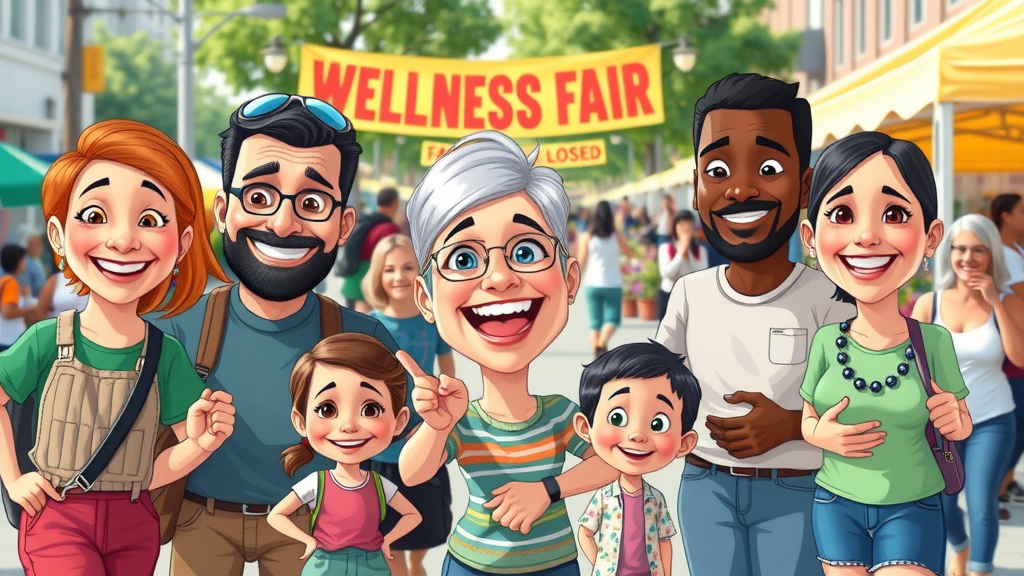
Enthusiastic local residents hosting a vibrant outdoor wellness fair as part of community wellness projects with wellness booths and banners
  • Organize a wellness event featuring local health services
  • Facilitate group fitness or mental health workshops
  • Start a community garden to address food equity
  • Implement peer-led support networks for wellness programs

Engaging Community Members in Community Wellness Programs

Getting more people involved in community wellness programs is all about creating welcoming, accessible opportunities. Make use of local media, schools, faith organizations, and public gathering spots to spread the word about upcoming wellness activities. Listen closely to feedback and adjust offerings to match evolving priorities—are people seeking more mental health support, or do they want regular outdoor exercise groups?

Collaboration with established public health agencies and health service providers can enhance credibility and increase resources. Encourage peer ambassadors or community champions to lead by example, which often inspires greater participation from underrepresented groups. When inclusion, communication, and flexibility guide your outreach, you’ll witness powerful, collective movement toward improved community wellness .

People Also Ask: Key Questions About Community Wellness Projects

Thoughtful community leaders brainstorming community wellness project ideas around a table with charts and laptops

What are community wellness programs?

  • Community wellness programs are structured initiatives designed to improve health, wellbeing, and quality of life for community members through activities, education, and resources that address physical, mental, and social health.

What are some good wellness activities?

  • Examples of wellness activities include group exercise classes , nutrition workshops, health screenings, mental health awareness sessions, community walks, and gardening—all of which can be part of a community wellness project .

In what ways can you promote wellness in your community?

  • You can promote wellness by organizing community events , collaborating with public health organizations, encouraging healthy lifestyle choices, and providing access to reliable health services through wellness projects.

What is a community wellness event?

  • A community wellness event is a publicly organized activity focused on improving the health and wellness of community members, such as health fairs, fitness days, or educational workshops that are part of a broader community wellness program .

Frequently Asked Questions on Wellness Programs, Projects, and Public Health

  • How do community wellness projects differ from individual wellness programs? Community wellness projects address group needs and collective health determinants, while individual wellness programs focus on personal goals. Community projects offer broader impact through shared activities and resources.
  • What role do health services play in supporting community wellness? Health services provide essential screenings, education, and clinical support during community health events, amplifying program effectiveness by linking residents to ongoing care.
  • How can public health data drive project funding and focus? Data helps identify priority health issues, target vulnerable populations, and demonstrate outcomes to attract funding. Data-driven approaches maximize efficiency and impact in wellness projects.
  • Who should be involved in planning community wellness projects? Engaged residents, local leaders, health care providers, schools, public health officials, and nonprofit organizations all bring vital perspectives to the planning and delivery of successful community wellness projects.

Key Insights and Takeaways from Successful Community Wellness Projects

Inspired project leaders celebrating success at a community awards event for wellness projects with raised hands and applause
  • Community engagement is critical to success
  • Incorporating health equity leads to sustainable outcomes
  • Diverse wellness activities address broad community needs
  • Constant evaluation ensures long-term project effectiveness

Ready to Start or Join a Community Wellness Project near You?

Now is the time to take action—reach out, get involved, and help shape the future of community wellness projects in your area. Your efforts can make a lasting difference for everyone.

Family Health

62 Views

Write A Comment

*
*
Please complete the captcha to submit your comment.
Related Posts All Posts
09.10.2026

Struggling With Dental Pain or Fear? Modern Dentistry Can Make the Experience Better

Dental pain has a way of taking over a person’s day. It can interrupt eating, sleeping, working, and concentrating. Yet many people delay making an appointment because dental treatment brings another kind of discomfort: fear.At Arthur Family Dentistry in Garner, Dr. Kevin Arthur and Dr. Jeffrey Hays combine careful diagnosis, compassionate communication, and modern technology to help patients move from uncertainty toward relief. Their goal is not simply to treat a tooth. It is to help the person in the chair feel informed, respected, and as comfortable as possible.Struggling With Dental Pain or Fear? Understanding the Daily ImpactA minor ache may come from sensitivity or irritation, but pain can also signal decay, infection, a cracked tooth, gum disease, or another problem that may worsen without care. Waiting until discomfort becomes severe can complicate treatment and, in some cases, allow an infection to spread.An examination helps determine the source of the problem. Digital imaging and other diagnostic tools can allow the dental team to see details that may not be visible during a routine visual inspection. Once the cause is identified, the dentist can explain the findings and recommend an appropriate path forward.Dental Fear Is a Real Barrier to Dental Care: Listening and CommunicationHow Advanced Laser Technology Can Ease Struggling With Dental Pain or FearOne of the important additions at Arthur Family Dentistry is an advanced all-tissue dental laser. The device—known as Solea®—can be used in a range of hard- and soft-tissue procedures. For many appropriate treatments, it may reduce the need for drilling, vibration, bleeding, or local anesthesia.That does not mean every procedure will be pain-free or that anesthesia will never be required. The patient’s condition and the specific treatment determine what is appropriate. But for many people, the possibility of fewer needles, less numbness, and a quieter procedure can make dental care feel less intimidating.The technology can also help the dentist work with precision and efficiency. When less anesthesia is needed, some patients may be able to return to normal activities without waiting hours for the numbness to wear off. The most important benefit is not simply owning sophisticated equipment; it is using that equipment thoughtfully to improve patient care.Benefits of All-Tissue Dental Lasers for Modern Dental CareAll-tissue dental lasers offer notable benefits for patients and care teams alike. These benefits include:Precision and Efficiency: Lasers can remove decay or disease with pinpoint accuracy, preserving healthy tissue and reducing the risk of complications.Less Need for Anesthesia: With gentler procedures, many patients can avoid having their entire mouth numbed, allowing for a return to normal life sooner.Reduced Anxiety: A quieter, calmer environment (no high-pitched drilling noises) helps keep anxiety at bay and lets patients focus on healing.As Dr Arthur states:"The most important benefit is not simply owning sophisticated equipment; it is using that equipment thoughtfully to improve patient care."Preventive Dental Care: Proactive Steps to Stop Pain and Fear Before They BeginThe easiest dental emergency to manage is often the one you prevent. Regular examinations and professional cleanings give the dental team opportunities to identify concerns before they become painful. Early decay, gum inflammation, worn restorations, and small cracks may be easier to address when discovered promptly.Preventive visits also help patients understand their individual risks. Brushing, flossing, nutrition, dry mouth, medications, tobacco use, and certain health conditions can all affect oral health. Personalized guidance is more valuable than a one-size-fits-all approach because it focuses on the factors that matter to the individual patient.Prompt Attention to Dental Emergencies: When Immediate Dental Care Is UrgentSevere tooth pain, facial swelling, fever, dental trauma, or signs of infection deserve prompt professional attention. A broken tooth, lost restoration, or sudden change should also be evaluated. Calling the dental office and clearly describing the symptoms allows the team to advise the patient about the appropriate next step and available appointment options.Arthur Family Dentistry maintains regular daytime hours Monday through Thursday. It does not offer night or weekend hours, so patients with a serious problem outside office hours should follow the practice’s recorded guidance and seek urgent medical attention when symptoms suggest an emergency.What You'll Learn About Struggling With Dental Pain or FearHow dental pain and fear disrupt daily lifeThe importance of not ignoring symptoms and seeking professional dental careWays modern technology can make dental procedures more comfortableHow clear communication can help manage dental fearKey benefits of preventive dental careStep-by-Step Table: The Modern Dentistry Approach to Struggling With Dental Pain or FearStepDescriptionCareful diagnosisUsing digital imaging and comprehensive exam to determine causeCompassionate communicationClearly explaining procedures and optionsModern technologyEmploying lasers and advanced equipment for comfortPreventive careRegular cleanings and early interventionEmergency planningGuidance and protocols for urgent needsExpert Insights on Overcoming Dental Fear and Addressing PainDental professionals agree: the journey from fear to confidence often begins with a simple, honest conversation. When patients feel heard, respected, and guided through their treatment options, dental fear and anxiety can begin to fade. For those who have carried years of fear, even small steps—such as describing concerns to the dental team or touring the office before an appointment—can make a major difference. Experienced faculty combine advanced training, gentle technique, and careful listening so that care always centers around the patient. Breaking the cycle of avoidance leads not just to relief from dental pain but to a surprising transformation in how you perceive dental care. Remember, overcoming dental fear starts with reaching out."A conversation is the first step. For someone living with pain or carrying years of dental fear, that step may lead not only to a healthier smile, but also to an entirely different view of dental treatment."Lists: Tips for Patients Struggling With Dental Pain or FearDescribe any fears openly to your dental teamAsk questions about every stage of your careConsider practices using modern laser technologySchedule regular preventive visitsFollow guidelines for dental emergenciesPeople Also Ask: Struggling With Dental Pain or FearHow to live with tooth pain?Living with tooth pain is never ideal; it's important to recognize that pain is a sign something needs attention. You can get temporary relief through careful oral hygiene, sensitivity toothpaste, and avoiding triggers like hot or cold foods. However, tooth pain should never be accepted as "normal. Schedule an appointment with your dental care provider to identify the cause and receive proper treatment, as managing underlying issues is the only way to achieve lasting relief.How to distract yourself from pain at the dentist?Distraction techniques can be helpful during dental procedures. Try listening to music or guided relaxation with headphones, focusing on slow, deep breathing, or even keeping a stress ball in hand. Some patients benefit from visualizing a favorite place or mentally counting in patterns. Discuss your preferences with your care team—they are happy to work with you to keep your anxiety to a minimum throughout your visit, especially in a modern office where you'll feel safe and supported.How to get over severe fear of dentist?Overcoming dental fear (dental phobias) involves taking gradual, supported steps. Start by talking openly with your dentist about your concerns; a compassionate team will listen carefully and explain your options. Consider visiting the office for a tour before scheduling care. New technologies like dental lasers can also help reduce anxiety by minimizing or eliminating common triggers. Remember, overcoming years of dental fear is possible—one positive experience at a time builds lasting confidence.What can I do to relieve excruciating tooth pain?If you are experiencing excruciating tooth pain, reach out to your dentist immediately. While waiting for care, you can use over-the-counter pain relievers, apply a cold pack to the cheek (not directly to the tooth), and avoid very hot, cold, or sweet foods. Never attempt to "tough it out"—severe pain may signal infection or another urgent issue that needs professional dental care right away to prevent complications.FAQs About Struggling With Dental Pain or FearIs dental pain always a sign of an emergency?Not always, but sudden and severe pain should prompt immediate contact with a dental professional. Persistent discomfort can signal issues that require timely treatment to prevent escalation.Can modern dental technology make procedures pain-free?Advances like dental lasers and gentle techniques reduce much of the discomfort associated with traditional treatments, making many procedures far more comfortable and anxiety-free than ever before.What should I expect during my first appointment with a new dentist?You can expect a thorough review of your health history, a comprehensive exam, and open communication about your needs and concerns. Your care team will guide you through all stages, making your comfort a top priority.How does preventive dental care reduce pain and fear?Preventive care helps catch small problems early, making treatments easier and less invasive. Regular visits also help reduce dental anxiety as you build trust with your team.Key Takeaways About Struggling With Dental Pain or FearDental pain should not be ignored—early intervention is criticalOpen communication helps address dental fearModern techniques, including dental lasers, enhance comfort and reduce anxietyPreventive care is the most effective way to avoid dental emergenciesFrom Fear to Confidence: Embracing Modern DentistryModern dentistry cannot erase every concern, but it can change what patients reasonably expect. When trusted professionals combine listening, careful diagnosis, gentle technique, and comfort-focused technology, the dental chair can become a place of relief rather than dread.Dr. Kevin Arthur and Dr. Jeffrey Hays want patients to know that avoiding care is not the only option. A conversation is the first step. For someone living with pain or carrying years of dental fear, that step may lead not only to a healthier smile, but also to an entirely different view of dental treatment.Find Help Today for Struggling With Dental Pain or FearIf you or someone you know is struggling with dental pain or fear, don't wait. Relief and understanding are possible. Visit KevinArthurDDS.com or call 919-772-1434 to schedule your appointment online today and take the first step toward a more comfortable, confident dental experience.Medical Disclaimer: The information presented in this article by Tom Jones Pharmacist LIVE and My Wellness Train is provided for educational and informational purposes only. It is not intended to diagnose, treat, cure, or prevent any disease or medical condition and should not be considered a substitute for professional medical or dental advice, diagnosis, or treatment.Tom Jones is a licensed pharmacist, not a physician or dentist. Always consult your physician, dentist, pharmacist, or other qualified healthcare professional regarding questions about your health, medications, medical or dental conditions, or treatment options. Never disregard professional healthcare advice or delay seeking care because of information you have read in this article. Any products, technologies, healthcare professionals, practices, or services mentioned are presented for informational purposes and should not be interpreted as a guarantee of results or as individualized medical or dental advice.© 2026 Tom Jones Pharmacist LIVE / My Wellness Train. All Rights Reserved.

08.27.2026

Struggling to Find a Family Dentist? Here’s What to Know

Kevin Arthur DDS 📍 Address: 2385 Timber Dr, Garner, NC 27529, USA 📞 Phone: +1 919-772-1434 🌐 Website: http://kevinarthurdds.com/ ★★★★★ Rating: 5.0 Is Your Family’s Dental Health at Risk? What to Consider When Searching for a Family Dentist When was the last time your whole family truly enjoyed a visit to the dentist? If you’ve been putting off scheduling much-needed appointments—whether due to anxiety, uncertainty, or simply not knowing where to turn—you aren’t alone. With so much information (and sometimes misinformation) about dental care swirling online, it’s easy to feel overwhelmed when trying to locate a dental office that meets your entire family’s needs. Choosing a family dentist is a crucial decision that can impact not only the oral health of each family member, but also their comfort, safety, and entire outlook on dental care. The importance of regular dental checkups goes far beyond sparkling teeth and fresh breath. Consistent care can be the difference between catching issues early or facing expensive, painful procedures later on. Yet, finding a clinic that can accommodate patients of all ages—toddlers to grandparents—takes more than a simple online search. Parents are also mindful of wanting an environment that feels safe, staff who are genuinely caring, and accessible answers to common patient questions about forms, insurance, and payment options. This is why understanding what to look for in a family dentist can make all the difference. If you’ve ever left a dental office with more questions than answers, or felt like just another number, this article aims to change that—and empower you to make healthier choices for your loved ones. Understanding Family Dentistry: More Than Just Cleanings and Checkups A family dentist is not just a general dentist who happens to treat kids and adults—there’s a far broader and more holistic approach involved. Family dentistry is built around long-term preventive care, education, and relationship-building, all delivered in a way that adapts to each unique stage of life. Whether helping children establish positive oral hygiene habits, managing orthodontic needs for teens, or providing restorative services for seniors, the role of a family dentist encompasses a lifetime of care under one roof. Routine services like cleanings, fillings, and exams are only the beginning; access to patient resources—from frequently asked questions to transparent insurance policies—are fundamental. Without a trusted family dentist, families may find themselves hopping from one specialist to another or, worse, neglecting timely preventative visits altogether. This lack of consistent care increases risk for issues like cavities, gum disease, and even more serious health complications. For families, the stakes are particularly high: children who grow up with positive dental experiences are less likely to fear the dentist as adults and more likely to maintain healthy habits throughout life. On the other hand, poor communication, unclear billing, or lack of personal connection often contribute to dental anxiety and poor follow-through. Understanding the full value of comprehensive family dental care ensures you can make the best decision for those you love. While considering the importance of consistent care, it's also valuable to be aware of dental safety and how practices handle unexpected situations. For example, learning from real-life incidents—such as those discussed in this overview of dental care safety after a dentist's blunder—can help families ask the right questions and feel more confident in their choice of provider. Why Family Dental Care Makes a Lifelong Difference for Kids, Parents, and Beyond Experts agree: putting your trust in a family dentist who values patient education, comfort, and transparent communication can dramatically improve oral health outcomes. Practices grounded in community values often provide resources like online payments, clear patient forms, and answers to frequently asked questions right at your fingertips. These small touches provide real world benefits—less time spent puzzling over paperwork means more time focused on health. Comprehensive care also means staff are well-versed in navigating the nuances of insurance and payment plans, easing the logistical headache for busy families. Beyond convenience, the real value comes in fostering long-term relationships. A skilled family dentist educates both children and adults on the importance of preventative care, helping patients develop and maintain healthy habits year after year. Whether easing the nerves of a child after their first checkup or supporting adults as they navigate more complex procedures, patient-centered family dental practices head off future problems before they begin. Comfort, ease, and continuity become the norm—not the exception. What to Expect: Making Your First Visit Stress-Free and Informative First impressions in dental care matter. When you walk through the doors of a reputable family dental practice, you’re welcomed by a calming atmosphere, attentive staff, and a process that feels thoughtfully designed from start to finish. From online patient forms that can be completed in advance to transparent appointment scheduling, every element aims to reduce patient stress. Parents appreciate knowing exactly what to expect, whether it’s preparation for their child’s first visit or clarity about available dental services for adults and seniors. Thoughtful touches, such as detailed instructions for insurance and payment options before any care begins, offer much-needed peace of mind. One major advantage: you’re guided step-by-step, not just left to navigate dental jargon alone. This attention to patient experience helps create lasting positive associations with preventive care, laying the foundation for stronger, healthier smiles across the generations of your family. How Comprehensive Services Support the Needs of the Entire Family Family dentists often provide a full suite of care—from routine cleanings and exams to more complex procedures—all in one convenient location. This removes the logistical hurdles of managing separate appointments for each member of the family and the frustration of traveling between different providers. More importantly, providers who focus on whole-family health are better equipped to notice trends, hereditary issues, or environmental factors that may affect everyone in the household. Equally vital is access to informational resources. Whether answering insurance questions, reviewing patient history, or offering education on best oral hygiene practices, comprehensive service goes well beyond the dental chair. For families juggling busy schedules, this means less stress and a smoother, more supportive dental journey. Patient-Focused Dental Philosophy: How Arthur Family Dentistry Sets the Standard At the heart of effective family dentistry is a steadfast commitment to individualized, compassionate care. Arthur Family Dentistry exemplifies this approach by centering every aspect of their practice—from personalized services to accessible online resources—around the patient’s comfort, clarity, and well-being. Their mission extends beyond basic treatment to genuinely foster relationships and make every family member feel at home. The practice emphasizes transparency and communication, providing clear guidance on insurance, payment, and appointment policies through their online portal. Every patient encounter is designed to reduce stress, encourage regular preventive care, and give each individual—child or adult—the confidence to prioritize their oral health. This philosophy doesn’t just build trust; it leads to better outcomes and healthier communities. Innovation also plays a role in their care model. With technological advancements and a welcoming clinic environment, Arthur Family Dentistry supports families through each stage of dental health, keeping education and patient comfort at the forefront. The result is a dental home where generations of families can thrive, knowing their unique needs will always be heard and respected. What Families Are Saying: Comfort and Consistency in Care One of the most reliable indicators of outstanding family dental care is hearing directly from those who have experienced it. The reassurance that comes from a patient’s positive review speaks volumes—particularly when it highlights both the quality of service and the feeling of comfort provided throughout their experience. I love the care and service provided by my dental hygienist Jennifer at my office visit. She was Extremely informative about dental hygiene and because of the great service I always receive, this is what make me a faithful and long term patient. I received great compliments from her on how I've been advised to care for my teeth. Some people are afraid of simple teeth cleaning, but I'm always excited for my visits. Thank You for Always making me feel welcomed and comfortable at the Arthur Family Dentistry Office Stories like this underscore the value of choosing a family dentist committed to lasting relationships, comfort, and education. For those seeking a supportive, knowledgeable environment that eases even the most routine visit, patient testimonials show that the path to lifelong oral health starts with making the right choice for your family’s care. Building a Bright Dental Future: Why Your Family Dentist Matters In the search for a family dentist, understanding your options and what sets exceptional care apart is the first step in ensuring every family member enjoys the benefits of lifelong oral health. Practices like Arthur Family Dentistry serve as reminders that dental care is about more than appointments—it’s about building trust, offering education, and supporting families with transparency and compassion. By making an informed choice, you invest in a foundation of comfort and confidence for generations to come. Choosing the right family dentist means prioritizing not just healthy teeth, but happier, healthier lives. If you’re interested in exploring how dental care fits into the bigger picture of health and well-being, you might enjoy discovering the connections between oral health and broader lifestyle choices. For a unique perspective, take a look at how celebrity smiles reveal the secrets of advanced dental care—you’ll find inspiration and practical tips that can elevate your family’s approach to oral health. Delving into these insights can help you see dental care not just as a routine, but as a foundation for confidence and lifelong wellness. Contact the Experts at Kevin Arthur DDS If you’d like to learn more about how a family dentist could benefit your dental care, contact the team at Kevin Arthur DDS. 📍 Address: 2385 Timber Dr, Garner, NC 27529, USA 📞 Phone: +1 919-772-1434 🌐 Website: http://kevinarthurdds.com/ Kevin Arthur DDS Location and Hours 🕒 Hours of Operation:📅 Monday: 8:00 AM – 5:00 PM📅 Tuesday: 8:00 AM – 5:00 PM📅 Wednesday: 8:00 AM – 5:00 PM📅 Thursday: 8:00 AM – 5:00 PM📅 Friday: ❌ Closed📅 Saturday: ❌ Closed📅 Sunday: ❌ Closed

08.24.2026

Dr. Kevin Arthur, DDS: A Heart for Service and a Lifetime of Trusted Dental Care

Kevin Arthur DDS 📍 Address: 2385 Timber Dr, Garner, NC 27529, USA 📞 Phone: +1 919-772-1434 🌐 Website: http://kevinarthurdds.com/ ★★★★★ Rating: 5.0 Arthur Family Dentistry: More Than Just a Cleaning—A Foundation for Lifelong HealthIn Garner, North Carolina, Dr. Kevin Arthur has built far more than a successful dental practice. He has built lasting relationships with generations of patients by combining clinical excellence with compassion, integrity, faith, and a lifelong commitment to service.Patients who enter Arthur Family Dentistry are treated as individuals, not numbers. We listen to their concerns, explain their treatment options, and prioritize their comfort. That personal philosophy is rooted in experiences that shaped Dr. Arthur long before he became a dentist.A Foundation Built on Faith and ServiceAs the son of missionary parents, Kevin Arthur grew up seeing what it meant to help people in places with limited resources and great needs. Service was not presented as an occasional project. It was a way of life—one built on humility, responsibility, perseverance, and concern for others.Those early lessons helped shape his decision to enter dentistry. He saw that oral healthcare could relieve pain, restore confidence, protect overall health, and give people hope. Dentistry offered him a practical way to combine skill with service every day.From Education to a Trusted Garner PracticeAfter graduating from the University of North Carolina School of Dentistry in 1985, Dr. Arthur began building a career grounded in strong professional standards and genuine relationships. Over the years, Arthur Family Dentistry became a trusted destination for individuals and families in Garner and the surrounding Triangle area.His connection to the practice also reflects continuity. Dr. W. L. Woodard first cared for longtime patients in Garner and later introduced Dr. Arthur to the area. Dr. Arthur carried that tradition forward, developing a practice where many families have remained for years and where trust is earned one appointment at a time.Compassion That Reaches Beyond the Dental OfficeDr. Arthur’s commitment to service has extended beyond Garner through international dental mission work, including service in Nicaragua. In settings where people may have endured dental pain for months or years, the ability to provide treatment can change daily life immediately.Mission work requires adaptability, teamwork, and a willingness to serve under challenging conditions. Those experiences reinforce the values Dr. Arthur brings home: listen carefully, use available resources wisely, treat every patient with dignity, and never lose sight of the person behind the dental problem.Trusted Care Begins With ListeningDental care can be deeply personal. Some patients arrive with pain. Others carry anxiety from an earlier experience. Many simply want to know that their dentist will listen before recommending treatment. Dr. Arthur and his team understand that trust begins with clear communication and respect.That approach is especially important for people who have postponed dental care because they are embarrassed, worried, or fearful. A calm explanation and a thoughtful treatment plan can help replace uncertainty with confidence. Patients are better able to make informed decisions when they understand both the problem and the available solutions.Modern Technology Serving a Human PurposeAlthough service and relationships are central to the practice, Dr. Arthur also continues to invest in technology that can improve diagnosis, precision, efficiency, and comfort. Advanced digital tools and a modern all-tissue dental laser help the team plan and perform care with the patient experience in mind.The laser dental device, known as Solea®, may allow many procedures to be completed with less drilling and, depending on the treatment, less need for needles or lingering numbness. The significance is not the brand name or the machine itself. The real value is what modern technology may offer the patient: a quieter, gentler, and less stressful dental experience.A Legacy Measured One Patient at a TimeDr. Arthur’s legacy is found in the families who return year after year, the patients who feel heard, the people whose pain has been relieved, and the communities he has served at home and abroad. His career demonstrates that excellent dentistry depends on both technical skill and human connection.Arthur Family Dentistry represents a thoughtful combination of experience, innovation, compassion, and service. For patients seeking trusted dental care in Garner, Dr. Kevin Arthur’s work reminds us that the best healthcare still begins with one professional taking the time to care about one person. My first visit was great. I was impressed with all the staff, the reception area, the layout, professionalism and especially the advancement of the technology they use to make sure everyone is in good hands. Was great seeing my hygienist Tonia who moved from another practice I was also with for more than 30 yrs. After a few changes with ownership, I didn't feel good about how the new ownership was handling my dental needs, so I made the change and yes with Tonia's advice. Thank you Tonia!! I made an appt with Kevin Arthur DDS and I met with Dr. Jeffery Hays for a review of my visit after some xrays/cleaning and a few minor things I need done. Dr. Kevin Arthur even stopped in to say hello and introduce himself and thanked me for choosing his practice. I do feel moving forward my dental health will be in good hands and not like a corporate monster that lied and tried to rob me for unnecessary services my last cleaning that didn't even look like anyone did anything. That changed quickly!! I left with a great smile and very happy with my visit. Again. . . Thank you to Kevin, Jeffrey & Tonia and the rest of the staff! Learn More or Schedule a VisitArthur Family Dentistry is located at 2385 Timber Drive in Garner, North Carolina. The office is open Monday through Thursday from 8:00 a.m. to 5:00 p.m., with no night or weekend hours. To learn more, visit KevinArthurDDS.com or call 919-772-1434.Medical DisclaimerThe information presented in this article by Tom Jones Pharmacist LIVE and My Wellness Train is provided for educational and informational purposes only. It is not intended to diagnose, treat, cure, or prevent any disease or medical condition and should not be considered a substitute for professional medical or dental advice, diagnosis, or treatment.Tom Jones is a licensed pharmacist, not a physician or dentist. Always consult your physician, dentist, pharmacist, or other qualified healthcare professional regarding questions about your health, medications, medical or dental conditions, or treatment options. Never disregard professional healthcare advice or delay seeking care because of information you have read in this article.Any products, technologies, healthcare professionals, practices, or services mentioned are presented for informational purposes and should not be interpreted as a guarantee of results or as individualized medical or dental advice.© 2026 Tom Jones Pharmacist LIVE / My Wellness Train. All Rights Reserved.Contact the Experts at Kevin Arthur DDSIf you’d like to learn more about how a family dentist could benefit your dental care, contact the team at Kevin Arthur DDS.📍 Address: 2385 Timber Dr, Garner, NC 27529, USA📞 Phone: +1 919-772-1434🌐 Website: http://kevinarthurdds.com/Kevin Arthur DDS – Location and Hours🕒 Hours of Operation:📅 Monday: 8:00 AM – 5:00 PM📅 Tuesday: 8:00 AM – 5:00 PM📅 Wednesday: 8:00 AM – 5:00 PM📅 Thursday: 8:00 AM – 5:00 PM📅 Friday: ❌ Closed📅 Saturday: ❌ Closed📅 Sunday: ❌ Closed

© 2026 My Wellness Train All Rights Reserved. Raleigh, North Carolina 27609, Raleigh, North Carolina 27609 . Contact Us . Terms of Service . Privacy Policy

eyJjb21wYW55IjoiTXkgV2VsbG5lc3MgVHJhaW4iLCJhZGRyZXNzIjoiUmFsZWlnaCwgTm9ydGggQ2Fyb2xpbmEgMjc2MDkiLCJjaXR5IjoiUmFsZWlnaCIsInN0YXRlIjoiTm9ydGggQ2Fyb2xpbmEiLCJ6aXAiOiIyNzYwOSIsImVtYWlsIjoiVG9tQE15V2VsbG5lc3NUcmFpbi5jb20iLCJ0b3MiOiJQSEErUEhOMGNtOXVaejQ4WlcwK1YyaGxiaUI1YjNVZ1BDOWxiVDQ4TDNOMGNtOXVaejV6YVdkdUlHbHVJSGRwZEdnZ2RYTXNJSGx2ZFNCaGNtVWdaMmwyYVc1bklIbHZkWElnY0dWeWJXbHpjMmx2YmlCaGJtUWdZMjl1YzJWdWRDQjBieUJ6Wlc1a0lIbHZkU0JsYldGcGJITThjM1J5YjI1blBqeGxiVDRnWVc1a0wyOXlJRk5OVXlCMFpYaDBJRzFsYzNOaFoyVnpMaUJDZVNCamFHVmphMmx1WnlCMGFHVWdWR1Z5YlhNZ1lXNWtJRU52Ym1ScGRHbHZibk1nWW05NElHRnVaQ0JpZVNCemFXZHVhVzVuSUdsdUxDQjViM1VnWVhWMGIyMWhkR2xqWVd4c2VTQmpiMjVtYVhKdElIUm9ZWFFnZVc5MUlHRmpZMlZ3ZENCaGJHd2dkR1Z5YlhNZ2FXNGdkR2hwY3lCaFozSmxaVzFsYm5RdVBDOWxiVDQ4TDNOMGNtOXVaejQ4TDNBK0NnbzhjRDVvZEhSd2N6b3ZMMDE1VjJWc2JHNWxjM05VY21GcGJpNWpiMjA4TDNBK0NnbzhjRDRtYm1KemNEczhMM0ErQ2dvOGNENDhjM1J5YjI1blBsTkZVbFpKUTBVOEwzTjBjbTl1Wno0OEwzQStDZ284Y0Q1WFpTQndjbTkyYVdSbElHRWdjMlZ5ZG1salpTQjBhR0YwSUdOMWNuSmxiblJzZVNCaGJHeHZkM01nZVc5MUlIUnZJSEpsWTJWcGRtVWdjbVZ4ZFdWemRITWdabTl5SUdabFpXUmlZV05yTENCamIyMXdZVzU1SUdsdVptOXliV0YwYVc5dUxDQndjbTl0YjNScGIyNWhiQ0JwYm1admNtMWhkR2x2Yml3Z1kyOXRjR0Z1ZVNCaGJHVnlkSE1zSUdOdmRYQnZibk1zSUdScGMyTnZkVzUwY3lCaGJtUWdiM1JvWlhJZ2JtOTBhV1pwWTJGMGFXOXVjeUIwYnlCNWIzVnlJR1Z0WVdsc0lHRmtaSEpsYzNNZ1lXNWtMMjl5SUdObGJHeDFiR0Z5SUhCb2IyNWxJRzl5SUdSbGRtbGpaUzRnV1c5MUlIVnVaR1Z5YzNSaGJtUWdZVzVrSUdGbmNtVmxJSFJvWVhRZ2RHaGxJRk5sY25acFkyVWdhWE1nY0hKdmRtbGtaV1FnSm5GMWIzUTdRVk10U1ZNbWNYVnZkRHNnWVc1a0lIUm9ZWFFnZDJVZ1lYTnpkVzFsSUc1dklISmxjM0J2Ym5OcFltbHNhWFI1SUdadmNpQjBhR1VnZEdsdFpXeHBibVZ6Y3l3Z1pHVnNaWFJwYjI0c0lHMXBjeTFrWld4cGRtVnllU3dnYjNJZ1ptRnBiSFZ5WlNCMGJ5QnpkRzl5WlNCaGJua2dkWE5sY2lCamIyMXRkVzVwWTJGMGFXOXVjeUJ2Y2lCd1pYSnpiMjVoYkdsNllYUnBiMjRnYzJWMGRHbHVaM011UEM5d1Bnb0tQSEErV1c5MUlHRnlaU0J5WlhOd2IyNXphV0pzWlNCbWIzSWdiMkowWVdsdWFXNW5JR0ZqWTJWemN5QjBieUIwYUdVZ1UyVnlkbWxqWlN3Z1lXNWtJSFJvWVhRZ1lXTmpaWE56SUcxaGVTQnBiblp2YkhabElIUm9hWEprTFhCaGNuUjVJR1psWlhNZ0tITjFZMmdnWVhNZ1UwMVRJSFJsZUhRZ2JXVnpjMkZuWlNCamFHRnlaMlZ6TENCSmJuUmxjbTVsZENCelpYSjJhV05sSUhCeWIzWnBaR1Z5SUdOb1lYSm5aWE1zSUc5eUlHTmxiR3gxYkdGeUlHRnBjblJwYldVZ1kyaGhjbWRsY3lrdUlGbHZkU0JoY21VZ2NtVnpjRzl1YzJsaWJHVWdabTl5SUhSb2IzTmxJR1psWlhNc0lHbHVZMngxWkdsdVp5QjBhRzl6WlNCbVpXVnpJR0Z6YzI5amFXRjBaV1FnZDJsMGFDQjBhR1VnWkdsemNHeGhlU0J2Y2lCa1pXeHBkbVZ5ZVNCdlppQmxZV05vSUZOTlV5QjBaWGgwSUcxbGMzTmhaMlVnYzJWdWRDQjBieUI1YjNVZ1lua2dkWE11SUVsdUlHRmtaR2wwYVc5dUxDQjViM1VnYlhWemRDQndjbTkyYVdSbElHRnVaQ0JpWlNCeVpYTndiMjV6YVdKc1pTQm1iM0lnWVd4c0lHVnhkV2x3YldWdWRDQnVaV05sYzNOaGNua2dkRzhnWVdOalpYTnpJSFJvWlNCVFpYSjJhV05sSUdGdVpDQnlaV05sYVhabElGTk5VeVp1WW5Od08yMWxjM05oWjJWekxpQlhaU0JrYnlCdWIzUWdZMmhoY21kbElHRnVlU0JtWldWeklHWnZjaUJsYldGcGJDQnZjaUJUVFZNZ1pHVnNhWFpsY25rdUlGUm9hWE1nYVhNZ1lTQm1jbVZsSUhObGNuWnBZMlVnZDJVZ2NISnZkbWxrWlM0Z1NHOTNaWFpsY2l3Z2NHeGxZWE5sSUdOb1pXTnJJSGRwZEdnZ2VXOTFjaUJwYm5SbGNtNWxkQ0J6WlhKMmFXTmxJSEJ5YjNacFpHVnlJR0Z1WkNCalpXeHNkV3hoY2lCallYSnlhV1Z5SUdadmNpQmhibmtnWTJoaGNtZGxjeUIwYUdGMElHMWhlU0JpWlNCcGJtTjFjbkpsWkNCaGN5QmhJSEpsYzNWc2RDQnZaaUJ5WldObGFYWnBibWNnWlcxaGFXd2dZVzVrSUZOTlV5QjBaWGgwSUcxbGMzTmhaMlZ6Sm01aWMzQTdkMlVnWkdWc2FYWmxjaUIxY0c5dUlIbHZkWElnYjNCMExXbHVJR0Z1WkNCeVpXZHBjM1J5WVhScGIyNGdkMmwwYUNCdmRYSWdaVzFoYVd3Z1lXNWtJRk5OVXlCelpYSjJhV05sY3k0Z1dXOTFJR05oYmlCallXNWpaV3dnWVhRZ1lXNTVJSFJwYldVdUlFcDFjM1FnZEdWNGRDQW1jWFZ2ZER0VFZFOVFKbkYxYjNRN0lIUnZJREV0T0RNekxUWTBOaTB3T1RrekxpQkJablJsY2lCNWIzVWdjMlZ1WkNCMGFHVWdVMDFUSUcxbGMzTmhaMlVnSm5GMWIzUTdVMVJQVUNaeGRXOTBPeUIwYnlCMWN5d2dkMlVnZDJsc2JDQnpaVzVrSUhsdmRTQmhJR052Ym1acGNtMWhkR2x2YmlCMGFHRjBJSGx2ZFNCb1lYWmxJR0psWlc0Z2RXNXpkV0p6WTNKcFltVmtMaUJCWm5SbGNpQjBhR2x6TENCNWIzVWdkMmxzYkNCdWJ5QnNiMjVuWlhJZ2NtVmpaV2wyWlNCVFRWTWdiV1Z6YzJGblpYTWdabkp2YlNCMWN5NDhMM0ErQ2dvOGNENDhjM1J5YjI1blBsbFBWVklnVWtWSFNWTlVVa0ZVU1U5T0lFOUNURWxIUVZSSlQwNVRQQzl6ZEhKdmJtYytQQzl3UGdvS1BIQStTVzRnWTI5dWMybGtaWEpoZEdsdmJpQnZaaUI1YjNWeUlIVnpaU0J2WmlCMGFHVWdVMlZ5ZG1salpTd2dlVzkxSUdGbmNtVmxJSFJ2T2p3dmNENEtDanh2YkQ0S0NUeHNhVDV3Y205MmFXUmxJSFJ5ZFdVc0lHRmpZM1Z5WVhSbExDQmpkWEp5Wlc1MExDQmhibVFnWTI5dGNHeGxkR1VnYVc1bWIzSnRZWFJwYjI0Z1lXSnZkWFFnZVc5MWNuTmxiR1lnWVhNZ2NISnZiWEIwWldRZ1lua2dkR2hsSUZObGNuWnBZMlVtSXpNNU8zTWdjbVZuYVhOMGNtRjBhVzl1SUdadmNtMGdLSE4xWTJnZ2FXNW1iM0p0WVhScGIyNGdZbVZwYm1jZ2RHaGxJQ1p4ZFc5ME8xSmxaMmx6ZEhKaGRHbHZiaUJFWVhSaEpuRjFiM1E3S1NCaGJtUThMMnhwUGdvSlBHeHBQazFoYVc1MFlXbHVJR0Z1WkNCd2NtOXRjSFJzZVNCMWNHUmhkR1VnZEdobElGSmxaMmx6ZEhKaGRHbHZiaUJFWVhSaElIUnZJR3RsWlhBZ2FYUWdkSEoxWlN3Z1lXTmpkWEpoZEdVc0lHTjFjbkpsYm5RZ1lXNWtJR052YlhCc1pYUmxMaUJKWmlCNWIzVWdjSEp2ZG1sa1pTQmhibmtnYVc1bWIzSnRZWFJwYjI0Z2RHaGhkQ0JwY3lCMWJuUnlkV1VzSUdsdVlXTmpkWEpoZEdVc0lHNXZkQ0JqZFhKeVpXNTBMQ0J2Y2lCcGJtTnZiWEJzWlhSbExDQnZjaUIzWlNCb1lYWmxJSEpsWVhOdmJtRmliR1VnWjNKdmRXNWtjeUIwYnlCemRYTndaV04wSUhSb1lYUWdjM1ZqYUNCcGJtWnZjbTFoZEdsdmJpQnBjeUIxYm5SeWRXVXNJR2x1WVdOamRYSmhkR1VzSUc1dmRDQmpkWEp5Wlc1MExDQnZjaUJwYm1OdmJYQnNaWFJsTENCM1pTQm9ZWFpsSUhSb1pTQnlhV2RvZENCMGJ5QnpkWE53Wlc1a0lHOXlJRHh6ZEhKdmJtYytQSE53WVc0Z2MzUjViR1U5SW1OdmJHOXlPaU5HUmpBd01EQTdJajUwWlhKdGFXNWhkR1VnZVc5MWNpQmhZMk52ZFc1MEwzQnliMlpwYkdVZ1lXNWtJSEpsWm5WelpTQmhibmtnWVc1a0lHRnNiQ0JqZFhKeVpXNTBJRzl5SUdaMWRIVnlaU0IxYzJVZ2IyWWdkR2hsSUZObGNuWnBZMlVnS0c5eUlHRnVlU0J3YjNKMGFXOXVJSFJvWlhKbGIyWXBMand2YzNCaGJqNDhMM04wY205dVp6NDhMMnhwUGdvOEwyOXNQZ29LUEhBK0ptNWljM0E3UEM5d1BnbzhhR2xuYUd4cFoyaDBJR05zWVhOelBTSmpiMjF3WVc1NVRtRnRaVlZ3WkdGMFpTSStUWGtnVjJWc2JHNWxjM01nVkhKaGFXNDhMMmhwWjJoc2FXZG9kRDQ4WW5JZ0x6NEtQR2hwWjJoc2FXZG9kQ0JqYkdGemN6MGlZMjl0Y0dGdWVVRmtaSEpsYzNOVmNHUmhkR1VpUGxKaGJHVnBaMmdzSUU1RElESTNOakE1UEM5b2FXZG9iR2xuYUhRK1BHSnlJQzgrQ2p4b2FXZG9iR2xuYUhRZ1kyeGhjM005SW1OdmJYQmhibmxRYUc5dVpWVndaR0YwWlNJK09UZzBMVEl6T0MwMU1UVTBQQzlvYVdkb2JHbG5hSFErUEdKeUlDOCtDanhvYVdkb2JHbG5hSFFnWTJ4aGMzTTlJbU52YlhCaGJubEZiV0ZwYkZWd1pHRjBaU0krVkc5dFFFMTVWMlZzYkc1bGMzTlVjbUZwYmk1amIyMDhMMmhwWjJoc2FXZG9kRDQ9IiwicHJpdmFjeSI6IlBIQStQSE4wY205dVp6NVFVa2xXUVVOWlBDOXpkSEp2Ym1jK1BDOXdQZ29LUEhBK1BITjBjbTl1Wno1VWFHVWdhVzVtYjNKdFlYUnBiMjRnY0hKdmRtbGtaV1FnWkhWeWFXNW5JSFJvYVhNZ2NtVm5hWE4wY21GMGFXOXVJR2x6SUd0bGNIUWdjSEpwZG1GMFpTQmhibVFnWTI5dVptbGtaVzUwYVdGc0xDQmhibVFnZDJsc2JDQnVaWFpsY2lCaVpTQmthWE4wY21saWRYUmxaQ3dnWTI5d2FXVmtMQ0J6YjJ4a0xDQjBjbUZrWldRZ2IzSWdjRzl6ZEdWa0lHbHVJR0Z1ZVNCM1lYa3NJSE5vWVhCbElHOXlJR1p2Y20wdUlGUm9hWE1nYVhNZ2IzVnlJR2QxWVhKaGJuUmxaUzQ4TDNOMGNtOXVaejQ4TDNBK0NnbzhjRDQ4YzNSeWIyNW5Qa2xPUkVWTlRrbFVXVHd2YzNSeWIyNW5Qand2Y0Q0S0NqeHdQanhsYlQ1WmIzVWdZV2R5WldVZ2RHOGdhVzVrWlcxdWFXWjVJR0Z1WkNCb2IyeGtJSFZ6TENCaGJtUWdhWFJ6SUhOMVluTnBaR2xoY21sbGN5d2dZV1ptYVd4cFlYUmxjeXdnYjJabWFXTmxjbk1zSUdGblpXNTBjeXdnWTI4dFluSmhibVJsY25NZ2IzSWdiM1JvWlhJZ2NHRnlkRzVsY25Nc0lHRnVaQ0JsYlhCc2IzbGxaWE1zSUdoaGNtMXNaWE56SUdaeWIyMGdZVzU1SUdOc1lXbHRJRzl5SUdSbGJXRnVaQ3dnYVc1amJIVmthVzVuSUhKbFlYTnZibUZpYkdVZ1lYUjBiM0p1WlhsekppTXpPVHNnWm1WbGN5d2diV0ZrWlNCaWVTQmhibmtnZEdocGNtUWdjR0Z5ZEhrZ1pIVmxJSFJ2SUc5eUlHRnlhWE5wYm1jZ2IzVjBJRzltSUVOdmJuUmxiblFnZVc5MUlISmxZMlZwZG1Vc0lITjFZbTFwZEN3Z2NtVndiSGtzSUhCdmMzUXNJSFJ5WVc1emJXbDBJRzl5SUcxaGEyVWdZWFpoYVd4aFlteGxJSFJvY205MVoyZ2dkR2hsSUZObGNuWnBZMlVzSUhsdmRYSWdkWE5sSUc5bUlIUm9aU0JUWlhKMmFXTmxMQ0I1YjNWeUlHTnZibTVsWTNScGIyNGdkRzhnZEdobElGTmxjblpwWTJVc0lIbHZkWElnZG1sdmJHRjBhVzl1SUc5bUlIUm9aU0JVVDFNc0lHOXlJSGx2ZFhJZ2RtbHZiR0YwYVc5dUlHOW1JR0Z1ZVNCeWFXZG9kSE1nYjJZZ1lXNXZkR2hsY2k0OEwyVnRQand2Y0Q0S0NqeHdQanh6ZEhKdmJtYytSRWxUUTB4QlNVMUZVaUJQUmlCWFFWSlNRVTVVU1VWVFBDOXpkSEp2Ym1jK1BDOXdQZ29LUEhBK1BITjBjbTl1Wno1WlQxVWdSVmhRVWtWVFUweFpJRlZPUkVWU1UxUkJUa1FnUVU1RUlFRkhVa1ZGSUZSSVFWUTZQQzl6ZEhKdmJtYytQQzl3UGdvS1BHOXNQZ29KUEd4cFBsbFBWVklnVlZORklFOUdJRlJJUlNCVFJWSldTVU5GSUVsVElFRlVJRmxQVlZJZ1UwOU1SU0JTU1ZOTExpQlVTRVVnVTBWU1ZrbERSU0JKVXlCUVVrOVdTVVJGUkNCUFRpQkJUaUFtY1hWdmREdEJVeUJKVXlaeGRXOTBPeUJCVGtRZ0puRjFiM1E3UVZNZ1FWWkJTVXhCUWt4RkpuRjFiM1E3SUVKQlUwbFRMaUFzTGlCQlRrUWdWVk1zSUVsVVV5QkRWVk5VVDAxRlVsTXNJRVZZVUZKRlUxTk1XU0JFU1ZORFRFRkpUVk1nUVV4TUlGZEJVbEpCVGxSSlJWTWdUMFlnUVU1WklFdEpUa1FzSUZkSVJWUklSVklnUlZoUVVrVlRVeUJQVWlCSlRWQk1TVVZFTENCSlRrTk1WVVJKVGtjc0lFSlZWQ0JPVDFRZ1RFbE5TVlJGUkNCVVR5d2dWRWhGSUVsTlVFeEpSVVFnVjBGU1VrRk9WRWxGVXlCUFJpQk5SVkpEU0VGT1ZFRkNTVXhKVkZrc0lFWkpWRTVGVTFNZ1JrOVNJRUVnVUVGU1ZFbERWVXhCVWlCUVZWSlFUMU5GTENCQlRrUWdUazlPTFVsT1JsSkpUa2RGVFVWT1ZDNDhMMnhwUGdvSlBHeHBQazFCUzBWVElFNVBJRmRCVWxKQlRsUlpJRlJJUVZRZ0tHa3BJRlJJUlNCVFJWSldTVU5GSUZkSlRFd2dUVVZGVkNCWlQxVlNJRkpGVVZWSlVrVk5SVTVVVXl3Z0tHbHBLU0JVU0VVZ1UwVlNWa2xEUlNCWFNVeE1JRUpGSUZWT1NVNVVSVkpTVlZCVVJVUXNJRlJKVFVWTVdTd2dVMFZEVlZKRkxDQlBVaUJGVWxKUFVpMUdVa1ZGTENBb2FXbHBLU0JVU0VVZ1VrVlRWVXhVVXlCVVNFRlVJRTFCV1NCQ1JTQlBRbFJCU1U1RlJDQkdVazlOSUZSSVJTQlZVMFVnVDBZZ1ZFaEZJRk5GVWxaSlEwVWdWMGxNVENCQ1JTQkJRME5WVWtGVVJTQlBVaUJTUlV4SlFVSk1SU3dnUVU1RUlDaHBkaWtnUVU1WklFVlNVazlTVXlCSlRpQlVTRVVnVTA5R1ZGZEJVa1VnVjBsTVRDQkNSU0JEVDFKU1JVTlVSVVF1UEM5c2FUNEtDVHhzYVQ1QlRsa2dUVUZVUlZKSlFVd2dSRTlYVGt4UFFVUkZSQ0JQVWlCUFZFaEZVbGRKVTBVZ1QwSlVRVWxPUlVRZ1ZFaFNUMVZIU0NCVVNFVWdWVk5GSUU5R0lGUklSU0JUUlZKV1NVTkZJRWxUSUVSUFRrVWdRVlFnV1U5VlVpQlBWMDRnUkVsVFExSkZWRWxQVGlCQlRrUWdVa2xUU3l3Z1FVNUVJRmxQVlNCWFNVeE1JRUpGSUZOUFRFVk1XU0JTUlZOUVQwNVRTVUpNUlNCR1QxSWdRVTVaSUVSQlRVRkhSU0JVVHlCWlQxVlNJRU5QVFZCVlZFVlNJRk5aVTFSRlRTQlBVaUJNVDFOVElFOUdJRVJCVkVFZ1ZFaEJWQ0JTUlZOVlRGUlRJRVpTVDAwZ1ZFaEZJRVJQVjA1TVQwRkVJRTlHSUVGT1dTQlRWVU5JSUUxQlZFVlNTVUZNTGp3dmJHaytDZ2s4YkdrK1RrOGdRVVJXU1VORklFOVNJRWxPUms5U1RVRlVTVTlPTENCWFNFVlVTRVZTSUU5U1FVd2dUMUlnVjFKSlZGUkZUaXdnVDBKVVFVbE9SVVFnUWxrZ1dVOVZJRVpTVDAwZ1QxSWdWRWhTVDFWSFNDQlBVaUJHVWs5TklGUklSU0JUUlZKV1NVTkZJRk5JUVV4TUlFTlNSVUZVUlNCQlRsa2dWMEZTVWtGT1ZGa2dUazlVSUVWWVVGSkZVMU5NV1NCVFZFRlVSVVFnU1U0Z1ZFaEZJRlJQVXk0OEwyeHBQZ284TDI5c1Bnb0tQSEErUEhOMGNtOXVaejVNU1UxSlZFRlVTVTlPSUU5R0lFeEpRVUpKVEVsVVdUd3ZjM1J5YjI1blBqd3ZjRDRLQ2p4d1BsbFBWU0JGV0ZCU1JWTlRURmtnVlU1RVJWSlRWRUZPUkNCQlRrUWdRVWRTUlVVZ1ZFaEJWQ0JCVGtRZ1UwaEJURXdnVGs5VUlFSkZJRXhKUVVKTVJTQkdUMUlnUVU1WklFUkpVa1ZEVkN3Z1NVNUVTVkpGUTFRc0lFbE9RMGxFUlU1VVFVd3NJRk5RUlVOSlFVd3NJRU5QVGxORlVWVkZUbFJKUVV3Z1QxSWdSVmhGVFZCTVFWSlpJRVJCVFVGSFJWTXNJRWxPUTB4VlJFbE9SeUJDVlZRZ1RrOVVJRXhKVFVsVVJVUWdWRThzSUVSQlRVRkhSVk1nUms5U0lFeFBVMU1nVDBZZ1VGSlBSa2xVVXl3Z1IwOVBSRmRKVEV3c0lGVlRSU3dnUkVGVVFTQlBVaUJQVkVoRlVpQkpUbFJCVGtkSlFreEZJRXhQVTFORlV5QW9SVlpGVGlCSlJpQklRVk1nUWtWRlRpQkJSRlpKVTBWRUlFOUdJRlJJUlNCUVQxTlRTVUpKVEVsVVdTQlBSaUJUVlVOSUlFUkJUVUZIUlZNcExDQlNSVk5WVEZSSlRrY2dSbEpQVFRvOEwzQStDZ284YjJ3K0NnazhiR2srVkVoRklGVlRSU0JQUmlCUFVpQlVTRVVnU1U1QlFrbE1TVlJaSUZSUElGVlRSU0JVU0VVZ1UwVlNWa2xEUlRzOEwyeHBQZ29KUEd4cFBsUklSU0JEVDFOVUlFOUdJRkJTVDBOVlVrVk5SVTVVSUU5R0lGTlZRbE5VU1ZSVlZFVWdSMDlQUkZNZ1FVNUVJRk5GVWxaSlEwVlRJRkpGVTFWTVZFbE9SeUJHVWs5TklFRk9XU0JIVDA5RVV5d2dSRUZVUVN3Z1NVNUdUMUpOUVZSSlQwNGdUMUlnVTBWU1ZrbERSVk1nVUZWU1EwaEJVMFZFSUU5U0lFOUNWRUZKVGtWRUlFOVNJRTFGVTFOQlIwVlRJRkpGUTBWSlZrVkVJRTlTSUZSU1FVNVRRVU5VU1U5T1V5QkZUbFJGVWtWRUlFbE9WRThnVkVoU1QxVkhTQ0JQVWlCR1VrOU5JRlJJUlNCVFJWSldTVU5GT3p3dmJHaytDZ2s4YkdrK1ZVNUJWVlJJVDFKSldrVkVJRUZEUTBWVFV5QlVUeUJQVWlCQlRGUkZVa0ZVU1U5T0lFOUdJRmxQVlZJZ1ZGSkJUbE5OU1ZOVFNVOU9VeUJQVWlCRVFWUkJPend2YkdrK0NnazhiR2srVTFSQlZFVk5SVTVVVXlCUFVpQkRUMDVFVlVOVUlFOUdJRUZPV1NCVVNFbFNSQ0JRUVZKVVdTQlBUaUJVU0VVZ1UwVlNWa2xEUlRzZ1QxSThMMnhwUGdvSlBHeHBQa0ZPV1NCUFZFaEZVaUJOUVZSVVJWSWdVa1ZNUVZSSlRrY2dWRThnVkVoRklGTkZVbFpKUTBVdVBDOXNhVDRLUEM5dmJENEtDanh3UGp4MVBrSjVJSEpsWjJsemRHVnlhVzVuSUdGdVpDQnpkV0p6WTNKcFltbHVaeUIwYnlCdmRYSWdaVzFoYVd3Z1lXNWtJRk5OVXlCelpYSjJhV05sTENCaWVTQnZjSFF0YVc0c0lHOXViR2x1WlNCeVpXZHBjM1J5WVhScGIyNDhMM1UrTENCdmNpQmllU0JtYVd4c2FXNW5JRzkxZENCaElHTmhjbVFzSUNaeGRXOTBPM2x2ZFNCaFozSmxaU0IwYnlCMGFHVnpaU0JVUlZKTlV5QlBSaUJUUlZKV1NVTkZMRHgxUGlaeGRXOTBPeUJoYm1RZ2VXOTFJR0ZqYTI1dmQyeGxaR2RsSUdGdVpDQjFibVJsY25OMFlXNWtJSFJvWlNCaFltOTJaU0IwWlhKdGN5QnZaaUJ6WlhKMmFXTmxJRzkxZEd4cGJtVmtJR0Z1WkNCa1pYUmhhV3hsWkNCbWIzSWdlVzkxSUhSdlpHRjVMand2ZFQ0OEwzQStDZ284Y0Q0bWJtSnpjRHM4TDNBK0NqeG9hV2RvYkdsbmFIUWdZMnhoYzNNOUltTnZiWEJoYm5sT1lXMWxWWEJrWVhSbElqNDhMMmhwWjJoc2FXZG9kRDQ4YUdsbmFHeHBaMmgwSUdOc1lYTnpQU0pqYjIxd1lXNTVUbUZ0WlZWd1pHRjBaU0krVFhrZ1YyVnNiRzVsYzNNZ1ZISmhhVzQ4TDJocFoyaHNhV2RvZEQ0OFluSWdMejRLUEdocFoyaHNhV2RvZENCamJHRnpjejBpWTI5dGNHRnVlVUZrWkhKbGMzTlZjR1JoZEdVaVBsSmhiR1ZwWjJnc0lFNURJREkzTmpBNVBDOW9hV2RvYkdsbmFIUStQR0p5SUM4K0NqeG9hV2RvYkdsbmFIUWdZMnhoYzNNOUltTnZiWEJoYm5sUWFHOXVaVlZ3WkdGMFpTSStPVGcwTFRJek9DMDFNVFUwUEM5b2FXZG9iR2xuYUhRK1BHSnlJQzgrQ2p4b2FXZG9iR2xuYUhRZ1kyeGhjM005SW1OdmJYQmhibmxGYldGcGJGVndaR0YwWlNJK1ZHOXRRRTE1VjJWc2JHNWxjM05VY21GcGJpNWpiMjA4TDJocFoyaHNhV2RvZEQ0OGFHbG5hR3hwWjJoMElHTnNZWE56UFNKamIyMXdZVzU1UlcxaGFXeFZjR1JoZEdVaVBqd3ZhR2xuYUd4cFoyaDBQZz09In0=

Terms of Service

Privacy Policy

Core Modal Title

Sorry, no results found

You Might Find These Articles Interesting

T
Please Check Your Email
We Will Be Following Up Shortly
*
*
*