


Dental pain has a way of taking over a person’s day. It can interrupt eating, sleeping, working, and concentrating. Yet many people delay making an appointment because dental treatment brings another kind of discomfort: fear.
At Arthur Family Dentistry in Garner, Dr. Kevin Arthur and Dr. Jeffrey Hays combine careful diagnosis, compassionate communication, and modern technology to help patients move from uncertainty toward relief. Their goal is not simply to treat a tooth. It is to help the person in the chair feel informed, respected, and as comfortable as possible.
Struggling With Dental Pain or Fear? Understanding the Daily Impact
A minor ache may come from sensitivity or irritation, but pain can also signal decay, infection, a cracked tooth, gum disease, or another problem that may worsen without care. Waiting until discomfort becomes severe can complicate treatment and, in some cases, allow an infection to spread.
An examination helps determine the source of the problem. Digital imaging and other diagnostic tools can allow the dental team to see details that may not be visible during a routine visual inspection. Once the cause is identified, the dentist can explain the findings and recommend an appropriate path forward.
Dental Fear Is a Real Barrier to Dental Care: Listening and Communication
How Advanced Laser Technology Can Ease Struggling With Dental Pain or Fear
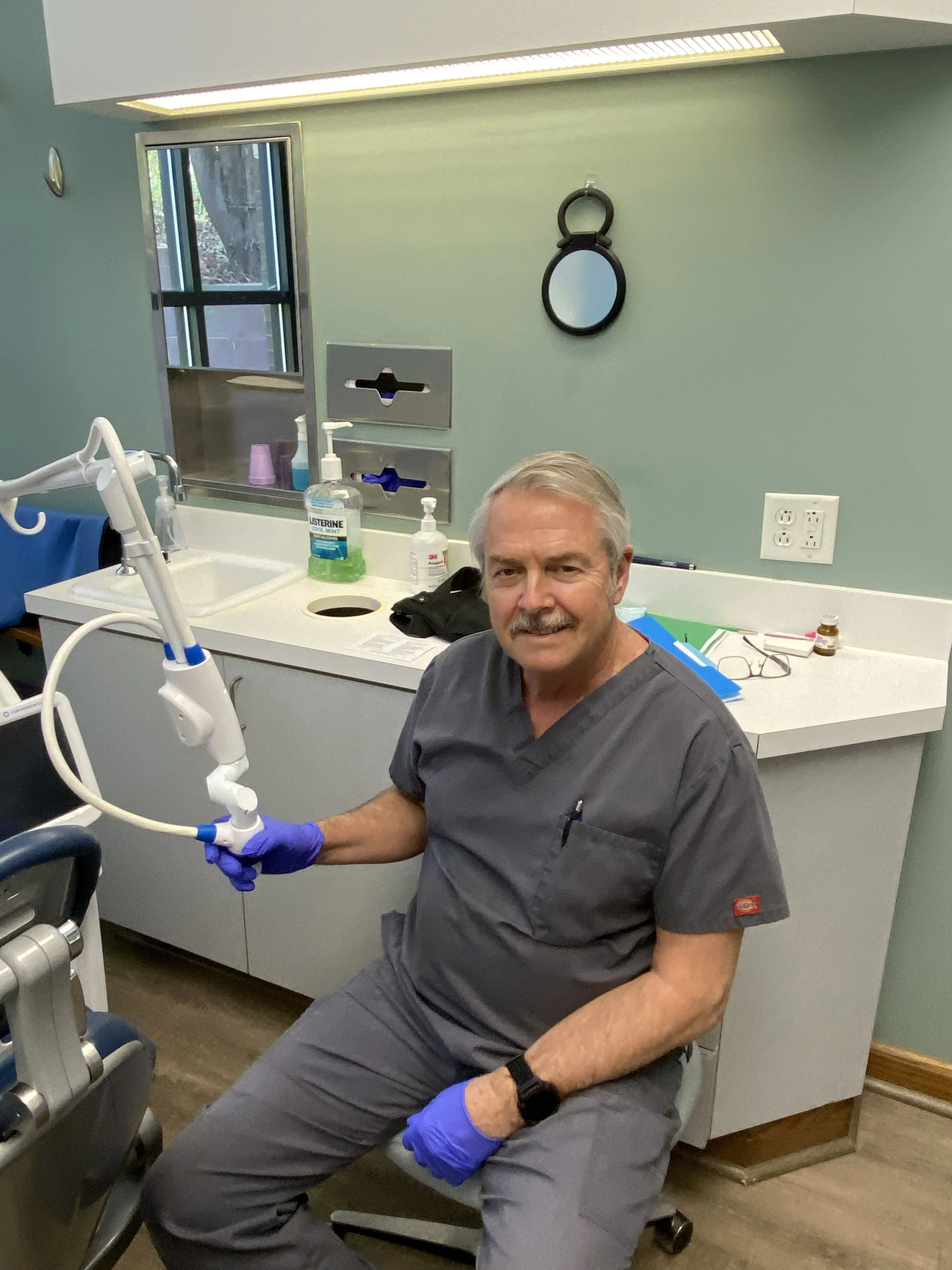
One of the important additions at Arthur Family Dentistry is an advanced all-tissue dental laser. The device—known as Solea®—can be used in a range of hard- and soft-tissue procedures. For many appropriate treatments, it may reduce the need for drilling, vibration, bleeding, or local anesthesia.
That does not mean every procedure will be pain-free or that anesthesia will never be required. The patient’s condition and the specific treatment determine what is appropriate. But for many people, the possibility of fewer needles, less numbness, and a quieter procedure can make dental care feel less intimidating.
The technology can also help the dentist work with precision and efficiency. When less anesthesia is needed, some patients may be able to return to normal activities without waiting hours for the numbness to wear off. The most important benefit is not simply owning sophisticated equipment; it is using that equipment thoughtfully to improve patient care.
Benefits of All-Tissue Dental Lasers for Modern Dental Care
All-tissue dental lasers offer notable benefits for patients and care teams alike. These benefits include:
Precision and Efficiency: Lasers can remove decay or disease with pinpoint accuracy, preserving healthy tissue and reducing the risk of complications.
Less Need for Anesthesia: With gentler procedures, many patients can avoid having their entire mouth numbed, allowing for a return to normal life sooner.
Reduced Anxiety: A quieter, calmer environment (no high-pitched drilling noises) helps keep anxiety at bay and lets patients focus on healing.
As Dr Arthur states:
"The most important benefit is not simply owning sophisticated equipment; it is using that equipment thoughtfully to improve patient care."
Preventive Dental Care: Proactive Steps to Stop Pain and Fear Before They Begin
The easiest dental emergency to manage is often the one you prevent. Regular examinations and professional cleanings give the dental team opportunities to identify concerns before they become painful. Early decay, gum inflammation, worn restorations, and small cracks may be easier to address when discovered promptly.
Preventive visits also help patients understand their individual risks. Brushing, flossing, nutrition, dry mouth, medications, tobacco use, and certain health conditions can all affect oral health. Personalized guidance is more valuable than a one-size-fits-all approach because it focuses on the factors that matter to the individual patient.
Prompt Attention to Dental Emergencies: When Immediate Dental Care Is Urgent
Severe tooth pain, facial swelling, fever, dental trauma, or signs of infection deserve prompt professional attention. A broken tooth, lost restoration, or sudden change should also be evaluated. Calling the dental office and clearly describing the symptoms allows the team to advise the patient about the appropriate next step and available appointment options.
Arthur Family Dentistry maintains regular daytime hours Monday through Thursday. It does not offer night or weekend hours, so patients with a serious problem outside office hours should follow the practice’s recorded guidance and seek urgent medical attention when symptoms suggest an emergency.

What You'll Learn About Struggling With Dental Pain or Fear
How dental pain and fear disrupt daily life
The importance of not ignoring symptoms and seeking professional dental care
Ways modern technology can make dental procedures more comfortable
How clear communication can help manage dental fear
Key benefits of preventive dental care
Step-by-Step Table: The Modern Dentistry Approach to Struggling With Dental Pain or Fear
Step |
Description |
|---|---|
Careful diagnosis |
Using digital imaging and comprehensive exam to determine cause |
Compassionate communication |
Clearly explaining procedures and options |
Modern technology |
Employing lasers and advanced equipment for comfort |
Preventive care |
Regular cleanings and early intervention |
Emergency planning |
Guidance and protocols for urgent needs |
Expert Insights on Overcoming Dental Fear and Addressing Pain
Dental professionals agree: the journey from fear to confidence often begins with a simple, honest conversation. When patients feel heard, respected, and guided through their treatment options, dental fear and anxiety can begin to fade. For those who have carried years of fear, even small steps—such as describing concerns to the dental team or touring the office before an appointment—can make a major difference. Experienced faculty combine advanced training, gentle technique, and careful listening so that care always centers around the patient. Breaking the cycle of avoidance leads not just to relief from dental pain but to a surprising transformation in how you perceive dental care. Remember, overcoming dental fear starts with reaching out.
"A conversation is the first step. For someone living with pain or carrying years of dental fear, that step may lead not only to a healthier smile, but also to an entirely different view of dental treatment."
Lists: Tips for Patients Struggling With Dental Pain or Fear
Describe any fears openly to your dental team
Ask questions about every stage of your care
Consider practices using modern laser technology
Schedule regular preventive visits
Follow guidelines for dental emergencies
People Also Ask: Struggling With Dental Pain or Fear

How to live with tooth pain?
Living with tooth pain is never ideal; it's important to recognize that pain is a sign something needs attention. You can get temporary relief through careful oral hygiene, sensitivity toothpaste, and avoiding triggers like hot or cold foods. However, tooth pain should never be accepted as "normal. Schedule an appointment with your dental care provider to identify the cause and receive proper treatment, as managing underlying issues is the only way to achieve lasting relief.
How to distract yourself from pain at the dentist?
Distraction techniques can be helpful during dental procedures. Try listening to music or guided relaxation with headphones, focusing on slow, deep breathing, or even keeping a stress ball in hand. Some patients benefit from visualizing a favorite place or mentally counting in patterns. Discuss your preferences with your care team—they are happy to work with you to keep your anxiety to a minimum throughout your visit, especially in a modern office where you'll feel safe and supported.
How to get over severe fear of dentist?
Overcoming dental fear (dental phobias) involves taking gradual, supported steps. Start by talking openly with your dentist about your concerns; a compassionate team will listen carefully and explain your options. Consider visiting the office for a tour before scheduling care. New technologies like dental lasers can also help reduce anxiety by minimizing or eliminating common triggers. Remember, overcoming years of dental fear is possible—one positive experience at a time builds lasting confidence.
What can I do to relieve excruciating tooth pain?
If you are experiencing excruciating tooth pain, reach out to your dentist immediately. While waiting for care, you can use over-the-counter pain relievers, apply a cold pack to the cheek (not directly to the tooth), and avoid very hot, cold, or sweet foods. Never attempt to "tough it out"—severe pain may signal infection or another urgent issue that needs professional dental care right away to prevent complications.
FAQs About Struggling With Dental Pain or Fear
Is dental pain always a sign of an emergency?
Not always, but sudden and severe pain should prompt immediate contact with a dental professional. Persistent discomfort can signal issues that require timely treatment to prevent escalation.Can modern dental technology make procedures pain-free?
Advances like dental lasers and gentle techniques reduce much of the discomfort associated with traditional treatments, making many procedures far more comfortable and anxiety-free than ever before.What should I expect during my first appointment with a new dentist?
You can expect a thorough review of your health history, a comprehensive exam, and open communication about your needs and concerns. Your care team will guide you through all stages, making your comfort a top priority.How does preventive dental care reduce pain and fear?
Preventive care helps catch small problems early, making treatments easier and less invasive. Regular visits also help reduce dental anxiety as you build trust with your team.
Key Takeaways About Struggling With Dental Pain or Fear
Dental pain should not be ignored—early intervention is critical
Open communication helps address dental fear
Modern techniques, including dental lasers, enhance comfort and reduce anxiety
Preventive care is the most effective way to avoid dental emergencies

From Fear to Confidence: Embracing Modern Dentistry
Modern dentistry cannot erase every concern, but it can change what patients reasonably expect. When trusted professionals combine listening, careful diagnosis, gentle technique, and comfort-focused technology, the dental chair can become a place of relief rather than dread.
Dr. Kevin Arthur and Dr. Jeffrey Hays want patients to know that avoiding care is not the only option. A conversation is the first step. For someone living with pain or carrying years of dental fear, that step may lead not only to a healthier smile, but also to an entirely different view of dental treatment.
Find Help Today for Struggling With Dental Pain or Fear
If you or someone you know is struggling with dental pain or fear, don't wait. Relief and understanding are possible. Visit KevinArthurDDS.com or call 919-772-1434 to schedule your appointment online today and take the first step toward a more comfortable, confident dental experience.
Medical Disclaimer: The information presented in this article by Tom Jones Pharmacist LIVE and My Wellness Train is provided for educational and informational purposes only. It is not intended to diagnose, treat, cure, or prevent any disease or medical condition and should not be considered a substitute for professional medical or dental advice, diagnosis, or treatment.
Tom Jones is a licensed pharmacist, not a physician or dentist. Always consult your physician, dentist, pharmacist, or other qualified healthcare professional regarding questions about your health, medications, medical or dental conditions, or treatment options. Never disregard professional healthcare advice or delay seeking care because of information you have read in this article. Any products, technologies, healthcare professionals, practices, or services mentioned are presented for informational purposes and should not be interpreted as a guarantee of results or as individualized medical or dental advice.
© 2026 Tom Jones Pharmacist LIVE / My Wellness Train. All Rights Reserved.



Write A Comment