
Add Row
Add Element
My Wellness Train Network
update
My Wellness Train Network
cropper
update
Add Element
  • Menu 1
  • Menu 2
  • Menu 3
  • Menu 4
  • Menu 5
  • Menu 6
Add Element
  • update
  • update
  • update
  • update
  • update
  • update
  • update
March 27.2025
3 Minutes Read

Why Neck and Back Pain May Be Holding You Back: Key Insights and Solutions

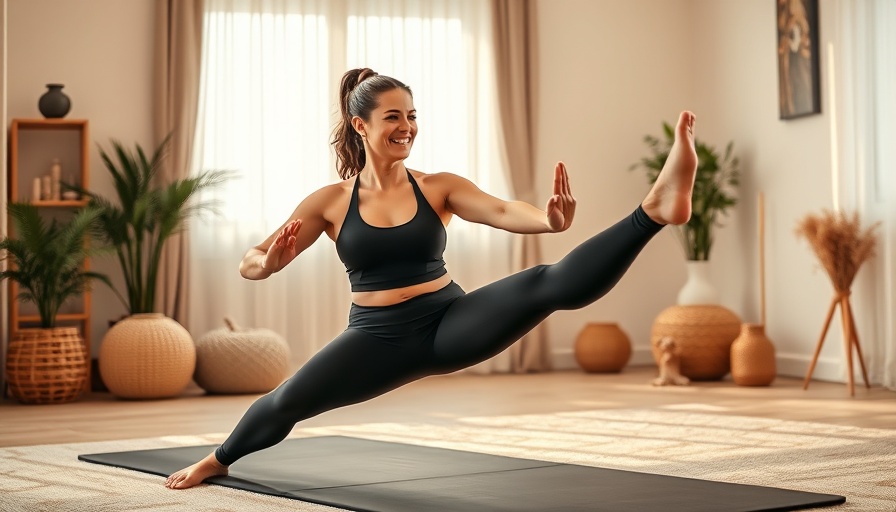
Woman performing leg lift exercise, understanding why neck and back pain.

Understanding the Roots of Neck and Back Pain

Back stiffness and neck pain are issues that many individuals face, often impacting daily activities and overall quality of life. Common questions people ask include, "Why does my neck and back hurt?" and "Why does my neck feel sore when I wake up?" Understanding the underlying causes can significantly help in managing these discomforts effectively.

In LIVE đź”´ Back Stiffness Getting Your Goat - Dr. Mondragon Q&A, the discussion dives into chiropractic care and self-care techniques for relieving back stiffness, exploring key insights that sparked deeper analysis on our end.

Posture and Its Significance

Modern lifestyles often lead to poor posture due to prolonged sitting, especially in office environments. Incorrect alignment can result in muscle tension and discomfort. An effective way to address this is through regular chiropractic adjustments, which focus on neck alignment and posture correction. This practice not only alleviates pain but enhances overall well-being by improving mobility.

Foam Rollers: A Key to Recovery

An innovative solution to ease back and neck stiffness is through the use of foam rollers. Dr. Mondragon emphasizes the benefits of foam rolling for achieving muscular relaxation and improving spinal health. "Foam rolling works wonders for back stiffness and posture improvement," she shares. The green roller, designed for comfort, is perfect for beginners unsure about foam rolling techniques. Regular use can enhance the effectiveness of chiropractic treatments.

The Impact of Stress on Neck and Back Pain

Stress often manifests physically, leading to muscle tightness and discomfort in the neck and back. By employing relaxation techniques such as deep breathing or meditation, individuals can manage stress and subsequently reduce muscular tension. Integrating stretching exercises or even gentle yoga into one's routine can aid in loosening tight muscle groups affected by daily stressors.

Choosing the Right Support for Sleep

For those waking up with neck and back pain, the right support while sleeping is crucial. The use of neck support pillows can maintain spinal alignment during sleep. When choosing a pillow, it's vital to consider individual sleeping positions, as this can make a significant difference in preventing morning stiffness.

Practical Tips for Everyday Pain Management

Managing neck and back pain doesn’t have to be complicated. Simple adjustments in our daily routines can yield significant improvements. Here are some actionable insights:

  • Incorporate regular breaks into your work schedule to stretch and adjust your posture.
  • Practice good ergonomics while working. Ensure your workspace is set up to support a neutral spine.
  • Engage in regular physical activities to strengthen the muscles surrounding your spine and alleviate tension.

Conclusion

Understanding why neck and back pain occurs is key to managing it effectively. By prioritizing good posture, utilizing foam rollers, and incorporating relaxing techniques, individuals can reclaim their comfort and well-being. If you're struggling with persistent discomfort, consider reaching out to a professional, such as a chiropractor, for tailored advice and support.

Take control of your health today—consider incorporating these insights into your daily routine for a healthier, pain-free life!

Fitness & Movement

49 Views

0 Comments

Write A Comment

*
*
Related Posts All Posts
12.02.2025

Discover the Effective Lower Body No Repeats Workout Routine

Update Maximize Your Fitness with No Repeat Lower Body Workouts In today's fast-paced world, finding time for fitness can be a challenge. That's why Tasha from fitnessbunner.com introduces a dynamic and effective workout: the Lower Body No Repeats Strength Circuit & Moderate Impact HIIT. This approach is perfect for those looking to build strength and improve cardiovascular fitness without spending hours at the gym.In [FREE Day 1] Lower Body No Repeats Strength Circuit & Moderate Impact HIIT, Tasha introduces an engaging workout strategy that inspires us to analyze its potential benefits for our fitness journeys. Why No Repeats? The Benefits of Variety in Workouts No repeat workouts offer a fresh and engaging way to exercise. For many, repeating the same movements can lead to boredom and burnout. By introducing a variety of exercises, Tasha ensures that muscles are engaged differently, which prevents adaptation and encourages consistent progress. This workout consists of alternating between strength training and high-intensity interval training (HIIT), effectively targeting both muscle building and fat burning while keeping participants constantly on their toes. Community Feedback: The Power of Group Workouts Tasha emphasizes the importance of community in fitness, encouraging participants to consider membership options for access to additional resources and exclusive workouts. Social interaction can significantly enhance motivation and accountability, which are key factors in achieving fitness goals. What’s on the Agenda? Breakdown of the Workout The workout kicks off with a concise three-minute warm-up, including exercises like hip openers and deep squats that prepare the body for the demands ahead. Following that, the main workout is structured to have no repeats, which means six different strength exercises followed by a high-intensity interval segment. This efficient format helps participants get the most out of their 20 minutes. Tips for Maximizing Your Workout Routine When following a structured workout like this, here are some essential tips to consider: Proper Form is Key: Focus on your form to prevent injury. Tasha provides modifications for varying levels, making the workout accessible whether you're a beginner or advanced. Incorporate Resistance Training: Using weights can enhance muscle building. Start with moderate weights and gradually increase as you gain strength. Stay Hydrated: Drink water before, during, and after the workout to maintain optimal performance and recovery. Importance of Cool Down and Stretching The cool down is just as crucial as the warm-up. Tasha incorporates stretches that target the lower body to enhance flexibility and recovery post-workout. Taking the time to cool down can help prevent soreness and stiffness while promoting better overall muscle recovery. Taking Your Fitness Journey to The Next Level Tasha's approach to quick yet effective workout sessions showcases how fitness doesn't have to be time-consuming to be beneficial. For those considering a structured fitness program that fits into a busy lifestyle, Tasha's method might be the perfect fit. If you're looking to make fitness a more prominent part of your life, step out of your comfort zone and try incorporating this no repeats workout into your routine. Whether you seek to build strength, enhance endurance, or engage in more social exercises, the options are vast. Explore different workouts, find what you enjoy, and continue to challenge yourself through HIIT workouts and strength training. In summary, make use of the workout strategies discussed to not only reach your fitness goals but also set a foundation of sustainable health habits that will last a lifetime. Engage with your community, explore new workouts, and relish the journey of self-improvement.

11.29.2025

Discover How Many Miles You Should Walk Daily for Better Health

Update Walking Your Way to Better Health: The Science Behind Daily Steps Walking is one of the most accessible forms of exercise, requiring no special equipment and suitable for almost everyone. According to fitness experts, the ideal daily walking goal is generally around 10,000 steps, which approximately translates to about five miles. However, this number is not a one-size-fits-all. While younger individuals find significant benefits at this benchmark, older adults might thrive with fewer steps. Studies suggest that even walking just 4,400 steps daily can substantially lower mortality rates for seniors. The Broader Benefits of Walking: More Than Just Steps Beyond the raw numbers, the advantages of walking stretch beyond mere distance traversed. Engaging in daily walks can enhance cardiovascular health, improve sleep quality, and even bolster mental well-being by mitigating feelings of depression. In our fast-paced lives, integrating walking can serve as a practical and beneficial session for physical and mental exercise. Tips to Incorporate More Walking into Your Routine For those aiming to increase their daily steps, start by understanding your current baseline. Incremental changes can yield significant results. Simple tweaks, such as taking the stairs instead of elevators or walking to a coffee shop instead of driving, can help you edge closer to your walking goals. By setting a target slightly above your current activity level, you can steadily work towards achieving that vital 10,000-step goal without feeling overwhelmed. Action Plan to Boost Your Daily Steps Creating opportunities for walking throughout your day not only aids in reaching fitness milestones but can also transform mundane routines into engaging exercise sessions. Make it fun! Invite a friend for walks, listen to podcasts, or explore new routes in your neighborhood. Remember, every step counts. Your Journey Toward Health Starts Now Walking is an essential contributor to a healthier lifestyle, and understanding how to optimize this simple activity can lead to profound changes in well-being. Ready to improve your health through walking? Contact us today at 984-238-6164 or email us at tom@mywellnesstrain.com—it’s never too late to start your wellness journey!

11.28.2025

Unlock the Secrets of High Knees for Better Cardio Workouts

Update Master Your High Knees: An Essential Cardio Workout If you’re looking to elevate your cardio workouts, high knees are a fundamental exercise with fantastic benefits. Not only do they increase your heart rate, helping with endurance training, but they also activate your core, boost mobility, and enhance lower body strength. However, if not performed correctly, high knees can be less effective and even lead to injuries.In 'High Knees - Form Review with Common Mistakes', the discussion dives into proper techniques for high knees, exploring key insights that sparked deeper analysis on our end. Understanding the Proper Form for High Knees In the realm of fitness, mastering technique is crucial. The ideal way to perform high knees is to stand tall, engage your core, and drive your knees upward toward your chest in a rapid, rhythmic manner. Make sure to land softly on the balls of your feet to minimize impact on your joints. Keeping your arms bent at a 90-degree angle and pumping them in rhythm with your legs is vital for maintaining balance and increasing speed. Common Mistakes That Can Derail Your Workout It’s easy to fall into the trap of poor form without even realizing it. A common mistake is leaning too far forward or backward, which can hinder performance and lead to unnecessary strain. Additionally, neglecting to fully lift your knees or engaging in fast but shallow movements can reduce the effectiveness of high knees. Remember, quality beats quantity! A few well-executed high knees are always better than many low-quality ones. The Benefits of High Knees for Your Fitness Goals Incorporating high knees into your workout routine offers a plethora of benefits, especially for those focused on weight loss and muscle building. As a high-intensity cardio workout, this exercise can torch calories while also aiding in fat burning. Moreover, they engage numerous muscle groups, including your quadriceps, hamstrings, calves, and glutes, making them a comprehensive choice for any fitness program. Practical Tips for Enhancing Your High Knees Performance To get the most out of your high knees, consider adding these fitness tips to your training. Try alternating between slower, controlled movements and bursts of speed to build your strength and endurance. If you're looking for workout ideas, consider pairing high knees with other bodyweight exercises for a complete HIIT workout. Additionally, paying attention to your breath can enhance your endurance during these intense intervals. Why This Exercise Is Crucial for Functional Fitness High knees are not just a popular choice among personal trainers; they are essential for functional fitness. By mimicking the natural movement of running and increasing heart rate, high knees play a valuable role in preparing your body for various activities, whether gym workouts or home workouts. They can improve your performance across other exercises, making them a must-include in your workout schedule. Final Thoughts on High Knees and Overall Health Whether you’re a beginner looking to establish a fitness plan or a seasoned athlete honing your strength training routine, high knees are versatile and effective. They're an impactful addition to any workout, especially when incorporated into fitness classes or personal training sessions. So, don’t underestimate the power of such a simple exercise. Ready to take your fitness journey to the next level? Embrace high knees and see how this exercise can transform your cardio workouts and overall fitness goals.

Terms of Service

Privacy Policy

Core Modal Title

Sorry, no results found

You Might Find These Articles Interesting

T
Please Check Your Email
We Will Be Following Up Shortly
*
*
*