
Add Row
Add Element
My Wellness Train Network
update
My Wellness Train Network
cropper
update
Add Element
  • Menu 1
  • Menu 2
  • Menu 3
  • Menu 4
  • Menu 5
  • Menu 6
Add Element
  • update
  • update
  • update
  • update
  • update
  • update
  • update
April 10.2025
2 Minutes Read

Urgent Call to Action: Vaccination's Role Amid Measles Outbreak

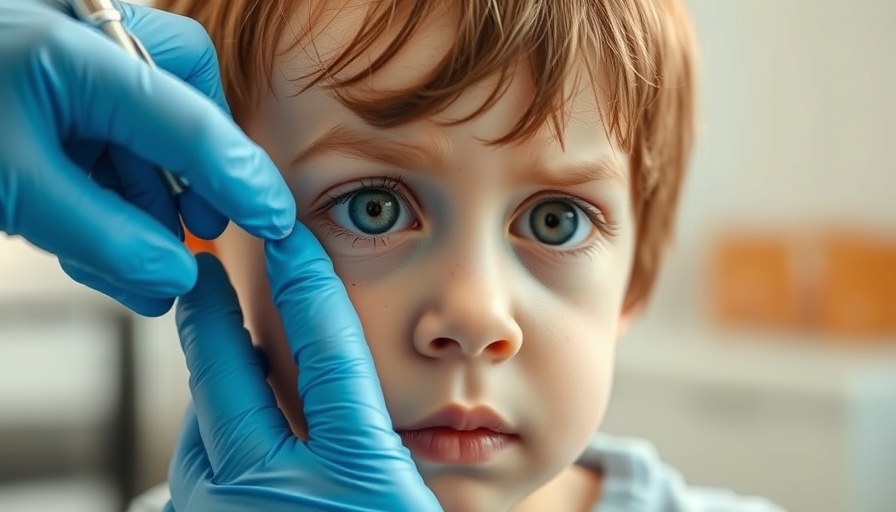
Doctor examines child's face for measles, highlighting vaccination importance.

The Tragic Toll of Measles: What We Need to Know

The recent death of an 8-year-old girl in Texas due to a measles outbreak has thrown a spotlight on the urgency of vaccination. The girl, who was unvaccinated and had no underlying health conditions, died from complications related to the disease, prompting health officials to take notice.

Vaccination: A Powerful Tool in Preventing Disease

RFK Jr., a controversial figure in the vaccine debate, attended the girl's funeral yet still emphasized the role of the M.M.R. (measles, mumps, rubella) vaccine as the best line of defense against measles in a subsequent post on social media. His statement reflects a crucial public health message: vaccinations play a vital role in preventing outbreaks in communities.

The Current Measles Outbreak: Statistics That Speak Volumes

As reported by the CDC, the ongoing measles outbreak has affected over 600 individuals across 21 states, with unvaccinated children making up a significant portion of the cases. This highlights a troubling trend—the rate at which measles is returning threatens to upend the eradication status achieved in the U.S. since 2000.

Experts Weigh In: The Importance of Accurate Information

Dr. Paul Offit, director of the Vaccine Center at Philadelphia Children's Hospital, has criticized individuals spreading misinformation about vaccines. He underscored that the resurgence of measles cases correlates directly with decreased vaccination rates, largely fueled by vaccine skepticism.

Moving Forward: What Can Parents Do?

In this time of uncertainty, it is essential for parents and guardians to ensure their children are vaccinated against preventable diseases like measles. The M.M.R. vaccine is recommended for children at 12-15 months and again at ages 4-6. Keeping up to date with vaccinations helps to protect not only individual children but also the broader community.

Reach Out for More Health Insights

Understanding the importance of vaccination in light of recent events can lead to healthier choices for families and communities. For more information on vaccinations, medication safety, and general health, contact us for more details.

Healthy Aging and Longevity

29 Views

0 Comments

Write A Comment

*
*
Related Posts All Posts
12.18.2025

Revolutionizing Global Health: WHO's Vision for Digital Health Tools

Update Digital Health: A New Era for Global Wellness The World Health Organization (WHO) is taking significant steps to integrate digital health tools into global healthcare infrastructures. The release of the "Global strategy on digital health 2020-2027" underlines an ambitious vision for universal health coverage, utilizing technology such as AI and wearable devices to enhance health outcomes across nations. Improving Access and Outcomes with Technology Digital health isn't confined to tech-savvy individuals; it's designed to be accessible to everyone. For instance, health apps and smart wearables will not only help individuals track their fitness but can also support remote monitoring and allow for timely medical interventions. This shift signifies a transition where quality care becomes universally available, regardless of location or socioeconomic status. Key Components of the WHO's Strategy WHO's strategy focuses on four key pillars: Work Together and Share Knowledge: Facilitating collaboration among countries to ensure the safety and efficacy of digital health products. Implement National Digital Strategies: Supporting countries in creating personalized digital health initiatives tailored to their specific needs. Build Out Digital Health Governance: Establishing global standards for privacy, security, and ethical use of health data. Prioritize Human-Centered Health Systems: Ensuring that digital health solutions are inclusive and cater to the needs of all population segments. The Promise of Digital Health for Global Improvement WHO emphasizes that digital health tools have the potential to significantly improve medical diagnosis and treatment decisions. The technologies involved can streamline efforts in clinical trials, enhance self-management practices, and ultimately lead to better health outcomes worldwide. With over 1,600 government officials trained in digital health and AI, meaningful steps towards improving health systems globally are underway. Taking Action for Health Improvement As WHO continues to emphasize, the future of health lies in the innovative use of digital tools. To stay engaged and informed about your health amidst this evolving landscape, contact us for more details on tools that can assist you, such as prescription drug information and medication safety resources.

12.16.2025

Can the Shingles Vaccine Help Slow Dementia Risk? New Research Reveals Surprising Insights

Update Shingles Vaccine: A Surprising Ally in Dementia PreventionRecent research has unveiled a remarkable potential benefit of the shingles vaccine that goes beyond just preventing a painful rash. A study published on December 2, 2025, in the journal Cell revealed that adults who receive the shingles vaccine not only lower their risk of developing memory issues but may also positively affect those already facing dementia.Key Findings Support Vaccine's Role in Cognitive HealthStanford University researchers examined data from over 282,500 older adults in Wales, where a shingles vaccination program has been in place since 2013. Those who received the vaccine were found to have a 3.1-percentage point lower risk of developing mild cognitive impairment over nine years compared to unvaccinated peers. Additionally, for those already diagnosed with dementia, receiving the vaccine correlated with an impressive 29.5-percentage-point reduction in the likelihood of dying from dementia over the same period.How Does This Work? The Inflammation LinkThe connection between shingles vaccination and cognitive health may lie in its impact on inflammation. The varicella-zoster virus, responsible for shingles and chickenpox, can trigger chronic inflammation in the nervous system. By preventing the virus from reactivating, the vaccine may help lower this inflammation, a known contributor to dementia progression. Furthermore, enhancements in overall immune function due to vaccination may offer additional protections, especially since numerous infections are linked to increased dementia risk.Expert Insights on This Emerging ResearchDr. Pascal Geldsetzer, the study's lead author, describes this dual potential of the shingles vaccine: "This means that the vaccine doesn’t just have a preventive potential but actually a therapeutic potential as a treatment." Others in the medical community emphasize the importance of further studies to confirm these promising results and the mechanisms behind them.Practical Health RecommendationsFor those concerned about maintaining brain health, experts suggest discussing the shingles vaccine with healthcare providers as part of a holistic approach to wellness. This includes regular physical activity, social engagement, and engaging in fulfilling activities. While there’s no guaranteed way to prevent dementia, these steps can contribute to healthier cognitive aging.Why This Research Matters NowAs we continue to explore innovative ways to combat age-related conditions, understanding the multifaceted benefits of vaccinations like the shingles vaccine can inform public health strategies. This breakthrough in research emphasizes the significance of vaccines, not only as a preventive measure but potentially as a tool in managing age-related cognitive decline.

12.16.2025

Why Kidneys Matter: Exploring the Link to Alzheimer’s Disease Risk

Update A Surprising Connection: How Kidney Health Relates to Brain Function Recent research indicates an intriguing link between kidney health and brain health, suggesting that how well our kidneys function may influence how dementia symptoms manifest, especially when Alzheimer’s disease markers are present. A study led by Dr. Francesca Gasparini from the Karolinska Institutet tracked nearly 2,300 individuals over eight years, focusing on older adults without dementia at the study's outset. The findings reveal that those suffering from reduced kidney function tended to have elevated levels of Alzheimer’s biomarkers—specifically proteins associated with the disease. These biomarkers include tau proteins, neurofilament light chain (NfL), and glial fibrillary acidic proteins (GFAP), which play significant roles in brain health and are crucial for diagnosing Alzheimer’s. Kidney Function and Dementia Progression: What Does It Mean? While the study did not find a direct correlation between poor kidney function and the heightened risk of developing dementia overall, it did uncover that impaired kidney function could accelerate the onset of dementia in those already showing high levels of biomarkers. This suggests that maintaining kidney health might delay the progression of dementia symptoms, an important consideration for aging populations. The Role of Biomarkers: Looking Deeper into Alzheimer’s Disease Understanding Alzheimer’s biomarkers is essential for early detection and treatment. The study highlights that healthy kidneys are vital in filtering out toxic waste, thereby potentially protecting the brain from the harmful buildup of such substances. It becomes apparent that when kidney function declines, it can influence the accumulation of these biomarkers, potentially skewing their predictability. Practical Insights: Why Should You Care? For those keen on maintaining their health, acknowledging the potential connections between kidney health and cognitive function could be beneficial. Regular monitoring of kidney health, especially among older adults, might help healthcare professionals better interpret Alzheimer’s biomarkers. Such proactive measures could provide critical insights into individual health trajectories. A Call to Action: Prioritize Your Health Today Understanding the interplay between kidney health and dementia can empower individuals to take charge of their well-being. If you’re concerned about your kidney health or cognitive changes, contact us for more details on how to monitor and optimize your health.

Terms of Service

Privacy Policy

Core Modal Title

Sorry, no results found

You Might Find These Articles Interesting

T
Please Check Your Email
We Will Be Following Up Shortly
*
*
*