

Add Row
Add Element
My Wellness Train Network
update
My Wellness Train Network
cropper
update
Add Element
  • Menu 1
  • Menu 2
  • Menu 3
  • Menu 4
  • Menu 5
  • Menu 6
Add Element
  • update
  • update
  • update
  • update
  • update
  • update
  • update
April 05.2025
2 Minutes Read

Unlock the Health Benefits of Papain: Superfood for Body Wellness

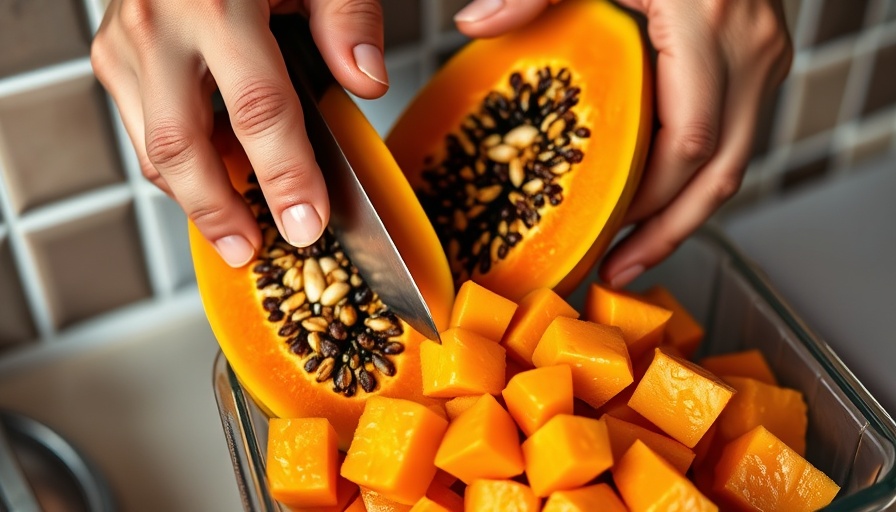
Slicing papaya showcasing health benefits of papain.

What is Papain and How Does It Benefit Your Health?

Papain is an enzyme extracted from the papaya fruit that has garnered attention for its potential health benefits. Known for its digestive properties, papain helps break down proteins, making it easier for our body to absorb nutrients. People seeking a healthier lifestyle may find that integrating papain into their diets aligns with goals for improved gut health and overall wellness.

Enhanced Digestion and Nutrient Absorption

One of the primary reasons individuals incorporate papain into their diets is its digestive benefits. Papain helps to facilitate the breakdown of food, which can be particularly beneficial for those consuming a balanced diet rich in protein. Moreover, better digestion supports nutrient absorption, essential for maintaining energy levels and overall health. Incorporating papain-rich foods into a holistic nutrition plan may aid those looking to optimize their body's efficiency.

Anti-Inflammatory Properties for Better Recovery

Inflammation can hinder recovery from workouts or illnesses. Papain's anti-inflammatory properties can soothe discomfort and promote healing. For athletes or active individuals, using papain as part of an anti-inflammatory diet can help in muscle repair and manage soreness arising from physical activity. This aligns with clean eating practices emphasizing natural health remedies and the consumption of superfoods.

Boosting Immune Function

Recent studies indicate that papain may have immune-boosting properties. Incorporating this enzyme into your diet can contribute to a more robust immune response, particularly vital during flu seasons or when facing health challenges. Consuming papain can work synergistically with other immune-boosting foods, making it a valuable addition to a diet focused on longevity and wellness.

Ways to Incorporate Papain into Your Diet

Adding papain to your meals can be straightforward. Fresh papaya is the most direct source and can be eaten raw in fruit salads or smoothies. Papain supplements are also available for those who prefer convenience. Additionally, marinating meats with papaya can create tender dishes, which fits well into a heart-healthy diet. Papain's versatility allows it to easily integrate into various dishes ensuring that you enjoy its benefits without compromising flavor.

Final Thoughts

The potential health benefits of papain—from aiding digestion to boosting immunity—make it a worthy consideration for anyone looking to enhance their nutrition. Calling to action, consider incorporating this superfood into your routine for a holistic approach to better health. For more insights or to discuss how we can assist in your nutritional journey, please call us at 984-238-6164 or email us at tom@mywellnesstrain.com.

Nutrition & Healthy Eating

25 Views

0 Comments

Write A Comment

*
*
Related Posts All Posts
02.08.2026

The Sweet Benefits of Eating Peanut Butter Daily for Blood Sugar Control

Update Exploring the Sweet Benefits of Daily Peanut Butter Consumption Many of us enjoy a spoonful of peanut butter, whether it's slathered on toast or straight from the jar, but for those managing diabetes, it can be a game changer when integrated into a daily diet. A recent journey into the world of peanut butter revealed not only tasty indulgence but also remarkable health insights, particularly concerning blood sugar control. The Glucose-Lowering Power of Peanut Butter Diabetics are always on the lookout for foods that won't spike their blood sugar. The simple act of consuming peanut butter every day proved to have minimal impact on glucose levels for one individual with type 1 diabetes. Despite other variables that can influence blood sugar, like stress or hormonal shifts, this creamy nutty spread displayed a commendable ability to maintain stable blood sugar levels. When paired with carbohydrate-rich snacks, its high protein and fat content helped slow digestion and reduce rapid sugar absorption. Benefits Beyond Blood Sugar Control Peanut butter boasts an impressive nutritional profile, which is particularly beneficial for diabetics. According to various studies, including findings from the Harvard School of Public Health, the healthy fats in peanut butter can help manage cholesterol and promote cardiovascular health. Moreover, the fiber content keeps you feeling full longer, lowering the urge to reach for unhealthy snacks. With an ability to incorporate it seamlessly into meals or snacks without contributing to excessive calorie intake, peanut butter serves as a viable option for those managing diabetes. Scientific Insights into Peanut Butter and Diabetes It's essential to understand what makes peanut butter a suitable snack for people with diabetes. The glycemic index (GI) of peanuts is low (14), meaning that they don't cause a quick spike in blood glucose levels. Similarly, the glycemic load, which factors in carbohydrate quantity, reinforces this benefit, showing a minimal overall effect when consumed in moderation. Studies suggest that incorporating foods low in GI into your diet significantly aids in reducing diabetes risk and improves long-term glucose management. Mindful Consumption: The Right Choice for Diabetics While incorporating peanut butter into your diet has potential health benefits, it is crucial to choose wisely. Opt for natural varieties without added sugars or unhealthy oils. Regular monitoring and moderation are essential to enjoy its health benefits without excess calorie intake—particularly relevant for someone managing diabetes. Conclusion: Embrace Peanut Butter Responsibly! As our understanding of food and health deepens, it's clear that peanut butter, when consumed in moderation, can be a delicious and nutritious ally in diabetes management. For those living with diabetes, integrating this nutrient-dense food into your diet could enhance long-term health while also satisfying your cravings. So, spread the joy of peanut butter, but do so wisely!

02.09.2026

Healthy Buffalo Chicken Dip with Cottage Cheese: A Protein-Packed Twist

Update Reinventing Classic Flavors: The Nutritional Benefits of Buffalo Chicken Dip Buffalo chicken dip is often recognized as a party favorite that packs a punch. Thanks to its rich flavors and comforting texture, it's a dish many of us crave, especially during game days or social gatherings. However, traditional recipes are typically high in calories and fat, making them less than ideal for those pursuing a healthy lifestyle. In recent years, food enthusiasts have successfully reimagined this indulgent dish into a healthier alternative that doesn't compromise on taste.In BUFFALO CHICKEN DIP with cottage cheese | healthy, high-protein recipe!, the discussion dives into healthy adaptations of classic recipes, exploring key insights that sparked deeper analysis on our end. In a recent engaging video, the creator shared an exciting twist on buffalo chicken dip by incorporating cottage cheese—a protein-packed ingredient that not only enhances the dish’s nutritional value but also contributes to a creamy texture that many love. This adaptation is not just about reducing calorie counts; it also introduces a wealth of nutrients that can be beneficial for fitness enthusiasts and those looking to maintain a balanced diet. Why Cottage Cheese? The Nutritional Profile You Can't Ignore Cottage cheese is often lauded as a high-protein meal option suitable for various diet plans, from weight loss to muscle building. A single serving can offer over 25 grams of protein while being low in carbohydrates and fats. This makes it an ideal ingredient in dishes where you crave richness without the extra calories. Additionally, cottage cheese is rich in calcium, which is essential for healthy bones and teeth, as well as promoting optimal muscle function. Integrating cottage cheese into your meals not only diversifies your culinary options but significantly boosts your intake of nutrient-dense foods. Transforming Ingredients: Healthy Recipes for Everyone The rise of healthy recipes has allowed for a newfound appreciation of how innovative cooking can enhance our diets. By incorporating ingredients that are typically considered indulgent, like buffalo sauce and cream cheese, and swapping them out for nutritious alternatives, individuals can enjoy their favorite flavors without guilt. For instance, the use of Greek yogurt or plant-based creams in place of heavy creams can create satisfying textures while keeping the dish within a healthy eating framework. Moreover, this buffalo chicken dip can be served with a variety of dipping options; think celery sticks, whole-grain crackers, or even homemade sweet potato chips. These pairings enhance the meal's nutritional profile and appeal to clean eating principles, ensuring that every bite provides a balance of flavor and health. Meal Prep Made Simple: Healthy Meal Prep for Busy Lives The modern world often demands convenience, prompting many to rush through meals or reach for unhealthy snacks. Embracing healthy meal prep is an excellent strategy for maintaining a balanced diet amidst a busy schedule. Prepping this buffalo chicken dip in advance allows for easy access to a nutritious snack or party dish, making it a fantastic solution for those leading hectic lives. To make the process even more efficient, consider batch cooking this dip. It can be stored in the fridge for a week, making it a go-to option whenever hunger strikes. Furthermore, it’s easily customizable; simply adjust the level of heat with varying amounts of buffalo sauce or integrate different veggies like spinach or bell peppers to elevate nutrient intake. Exploring Enhancements: Why Should You Try This Recipe? The idea of revisiting and rejuvenating traditional recipes resonates with those looking to enjoy delicious food without compromising health. Exploring recipes like this buffalo chicken dip reflects a growing movement towards embracing whole foods and adopting a plant-based diet. It's about understanding how the choices we make in the kitchen can significantly influence our health and wellness journeys. Moreover, the integration of wholesome ingredients aligns with the principles of an anti-inflammatory diet. This dip, especially when featuring components like Greek yogurt and organic sources, can help mitigate inflammation in the body, promoting better health outcomes. Take Action: A Healthy Lifestyle Awaits

02.07.2026

Coffee vs. Tea: A Battle for Health Perks and Energy

Update Coffee vs. Tea: Battle for Your Daily BoostCoffee and tea are two of the world’s favorite beverages, cherished not only for their flavors but also for their role in energizing and revitalizing. Yet, the question remains: which of these beloved brews can claim the title for healthier choice?Nutritional Breakdown: The BasicsFrom a nutritional standpoint, both coffee and tea appear strikingly similar. Once steeped or brewed, each serves up virtually calorie-free liquid, with coffee offering a tiny two calories and 0.3 grams of protein per 8-ounce cup. Tea, on the other hand, holds no calories or macronutrients in its plain form. But, the heart of their differences lies in caffeine content — coffee delivers a potent kick with approximately 96 milligrams of caffeine per cup, while brewed black tea offers about 48 milligrams and green tea even less at around 29 milligrams.Health Benefits of Each BrewCoffee often takes the spotlight for its rich content of antioxidants, particularly polyphenols, which may support cognitive function, liver health, and lower diabetes risk. The anti-inflammatory properties of these compounds contribute greatly to overall wellness.Conversely, tea, especially green and black varieties, is known for its own set of antioxidants called catechins and flavonoids. These help promote brain and heart health while also supporting healthy aging. Studies have even suggested that drinking black tea can help prevent coronary artery disease.Energy Boost: Feeding FatigueWhen it comes to boosting energy, coffee supports an immediate lift with its high caffeine levels, increasing alertness almost instantaneously. Tea, however, dresses up caffeine’s effects with L-theanine, which cultivates a calmer, more sustained focus. This results in a gentler caffeine experience that isn’t as jittery, making tea a preferred choice for some.The Bottom Line: Which Brew Sips Ahead?Ultimately, neither coffee nor tea is conclusively the healthier option. The choice often boils down to personal preferences and tolerances. Coffee offers a bold flavor and quick caffeine hit for those who crave intensity, while tea may appeal to those who prefer a soothing sip that still perks them up without overstimulation. Moderation remains key with both choices, and avoiding excessive additives is essential to maintaining their health benefits.As consumers, it’s advisable to explore both options and consider how each affects your body individually. Listening to your body might just reveal your favorite brew!

Terms of Service

Privacy Policy

Core Modal Title

Sorry, no results found

You Might Find These Articles Interesting

T
Please Check Your Email
We Will Be Following Up Shortly
*
*
*