

Add Row
Add Element
My Wellness Train Network
update
My Wellness Train Network
cropper
update
Add Element
  • Menu 1
  • Menu 2
  • Menu 3
  • Menu 4
  • Menu 5
  • Menu 6
Add Element
  • update
  • update
  • update
  • update
  • update
  • update
  • update
May 01.2025
2 Minutes Read

Unlock the Benefits of Brazil Nuts for Thyroid and Immune Health

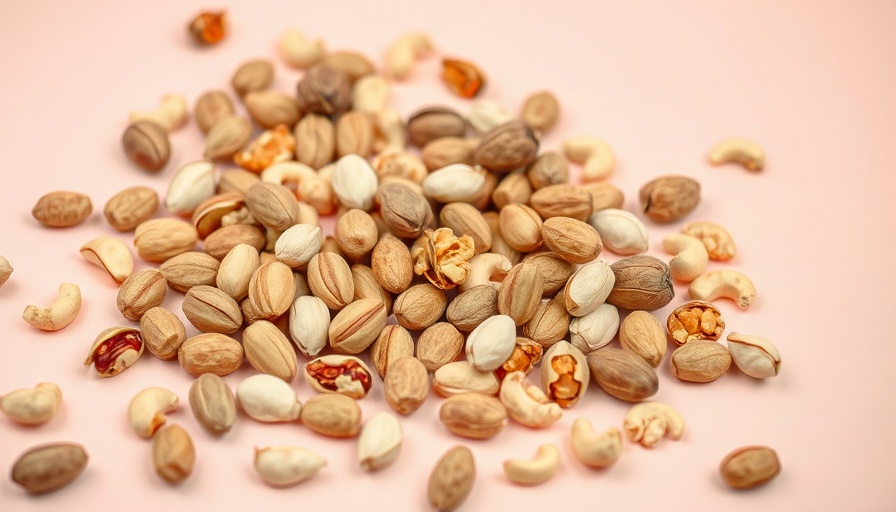
Assorted nuts including Brazil nuts on pastel background.

Nourishing Health from the Amazon: The Unsung Hero of Nutrition

For centuries, seeds have been indispensable to human nutrition. Among them, Brazil nuts, originating from the majestic Amazon rainforest, stand out not only for their unique flavor but for their health benefits. These seeds, harvested from towering trees, are nutritional powerhouses, offering a wealth of essential nutrients that support thyroid health and boost immunity, often overlooked in modern diets.

The Immune-Boosting Properties of Brazil Nuts

Rich in selenium, Brazil nuts are vital for maintaining a healthy immune system. Just a small handful can provide more than the daily recommended intake of this essential mineral. Selenium plays a crucial role in the function of the immune system, aiding in the prevention of infections and promoting overall health. Moreover, this powerful antioxidant helps reduce inflammation, which can lead to chronic diseases.

Brazil Nuts and Thyroid Health: A Perfect Pair

The thyroid gland is critical for regulating metabolism, energy levels, and overall hormonal balance. Selenium, abundant in Brazil nuts, is recognized for its significant role in the production of thyroid hormones, thereby supporting individuals with thyroid disorders. By incorporating Brazil nuts into the diet, those seeking to enhance their thyroid health can benefit from a tasty and nutritious option.

Incorporating Brazil Nuts into Your Wellness Routine

For adults prioritizing a wellness lifestyle, adding Brazil nuts to your daily routine is simple. Whether you sprinkle them in your morning smoothie, enjoy them as a healthy snack, or include them in salads, their rich texture and flavor offer versatility and satisfaction. Not only do they support physical health, but they also enhance mental clarity and contribute to emotional resilience.

Embrace the Power of Superfoods for Total Wellbeing

Choosing superfoods like Brazil nuts is more than just a dietary choice; it's a commitment to holistic nutrition and balanced living. In a world where stress reduction and mindfulness practices are essential for maintaining mental health, Brazil nuts provide a natural boost that complements practices like meditation and breathwork.

As we strive to optimize our health and longevity, let’s not underestimate the power of small dietary adjustments. Incorporating Brazil nuts is a delicious way to nourish your body from within and support the intricate balance of mind, body, and spirit.

Integrative Health
Facebook Twitter

35 Views

0 Comments

Write A Comment

*
*
Related Posts All Posts
01.30.2026

Unlocking Brain Health: How Your Body Weight Affects Aging

Update Understanding the Link Between Body Weight and Brain Aging As we navigate through life, it’s essential to recognize that our body weight can significantly impact not just our physical health but also our cognitive function as we age. Recent studies indicate that excess body weight in midlife may predispose individuals to vascular-related dementia later in life, particularly through its association with blood pressure. For many adults striving for a balanced living and total well-being, understanding these connections is crucial. Insights from Recent Research A groundbreaking genetics-based study analyzed data from over 504,400 participants and utilized Mendelian randomization to explore the connection between body mass index (BMI) and dementia. The result? Each standard deviation increase in BMI correlates with a staggering 63% increase in the likelihood of developing vascular-related dementia. This robust finding, backed by a sizable cohort, emphasizes the importance of managing weight for long-term cognitive health. The Critical Role of Blood Pressure But why does a higher BMI elevate dementia risk? The study pinpointed blood pressure as the primary mediator, shedding light on a pathway that can guide preventive strategies. Specifically, elevated systolic and diastolic blood pressure were found to significantly contribute to this heightened risk. For those dedicated to maintaining brain health, targeting blood pressure through holistic nutrition and emotional resilience strategies can be pivotal. Beyond Weight: A Holistic Approach to Wellness Addressing the intertwining issues of obesity and dementia risk goes beyond weight management. Incorporating mindfulness practices, functional fitness, and self-care rituals into daily life can enhance overall well-being. For example, regular physical activity, along with an anti-inflammatory diet, can reduce blood pressure and improve metabolic health—crucial measures in minimizing dementia risk. Taking Action Today for a Healthier Tomorrow As the links between metabolism, body weight, and cognitive aging become clearer, it’s imperative for individuals to take proactive steps. By embracing healthy habits such as stress reduction techniques, balanced nutrition, and exercise, adults can significantly lower their risk of developing dementia. This preventative mindset empowers individuals to comprehend that while genetics play a role, lifestyle choices are fundamental. Conclusion: The Path Towards Holistic Health With robust evidence highlighting the connection between metabolic health and brain aging, maintaining a healthy weight is not just about physical appearance anymore—it's a vital component of mental clarity and longevity. As you reflect on your wellness journey, consider implementing the insights shared, leading to improved cognitive health for years to come.

01.28.2026

Why Balanced Blood Sugar is Key for Performance Over Carbo-Loading

Update The Shift Away from Carbo-LoadingFor decades, athletes and fitness enthusiasts believed that stocking up on carbohydrates a day or two before a significant event was crucial to performance. This mindset frequently led to hefty pasta dinners aimed at maximizing glycogen stores to fuel the next day's activities. However, recent research indicates that this approach might need reevaluation. A comprehensive review published in Endocrine Reviews suggests that maintaining moderate blood glucose levels during exercise may be more vital than previously thought. Understanding Blood Glucose and PerformanceThe critical insight from this extensive study shows that fatigue during prolonged exercise is closely linked to declining blood glucose levels rather than just the depletion of muscle glycogen. Maintaining a steady level of glucose can significantly delay fatigue, allowing individuals to sustain their performance longer. Carbohydrates consumed during or just before exercise play a crucial role in this stabilization. New Guidelines for Carbohydrate IntakeRather than consuming large amounts of pasta in a pre-game feast, the research suggests a much smaller, strategic approach to carb intake. According to the findings, just 15-30 grams of carbohydrates (think half a banana or 15 grapes) consumed regularly during activity can significantly affect performance. This shows that effectively managing blood glucose levels may enhance performance far better than traditional carboloading. The Health Implications: More Than Just AthletesThe implications of this research extend beyond competitive athletes. With one in three U.S. adults at risk for prediabetes, understanding how carbohydrates affect blood sugar is more essential than ever. Many individuals, including endurance athletes, may be entirely unaware of their prediabetic condition. A balanced perspective on carbohydrate intake could lead to more health-conscious athletes and casual gym-goers alike. Implementing Practical StrategiesFor those integrating this nutritional knowledge into their lifestyle, adopting a balanced approach is key. Whether you follow a low-carb diet or focus on balanced nutrition, sprinkling carbohydrates throughout your training sessions is advisable. It’s not purely about the quantity but strategically using carbs to prevent performance drops and maintain energy levels. Call to Action: Rethink Your Carbohydrate StrategyAs we strive for total well-being through a more mindful diet and lifestyle, it’s crucial to rethink how we approach carbohydrate intake. Emphasizing a balanced perspective on nutrition and understanding the needs of our bodies can lead to improved physical and mental health outcomes. Reflect on your current intake and consider how you might adjust it for better performance and a healthier life overall.

01.26.2026

Could Lithium Be Key in Brain Health and Alzheimer’s Prevention?

Update Redefining the Role of Lithium in Brain Health Lithium has long been recognized primarily as a mood stabilizer for conditions like bipolar disorder, but emerging research suggests it could also play a significant role in brain aging and potentially in protecting against Alzheimer’s disease. This notion, championed by leading physician-scientists, invites us to reconsider the mineral's significance in our journey toward brain health. The Science Behind Lithium and Alzheimer’s Recent investigations, including studies from the National Institutes of Health and Harvard Medical School, reveal alarming findings: levels of lithium are notably lower in the brains of individuals with mild cognitive impairment and Alzheimer's disease. This reduction raises questions about whether our modern lifestyle may be robbing us of this essential mineral, previously overlooked by many. In lab settings, researchers have demonstrated that depleting lithium in mouse models accelerated the development of hallmark Alzheimer’s features, such as amyloid plaques and tau tangles. Conversely, restoring lithium helped reverse cognitive decline in these mice, highlighting lithium's potential as a preventive measure against neurodegeneration. The Broader Implications for Brain Health Understanding that Alzheimer's disease may not begin abruptly in our later years is a vital insight. It suggests that subtle changes in brain chemistry, including lithium levels, might start earlier in life. Addressing these imbalances now may enable us to fortify our cognitive health for the future. Practical Takeaways for Health-Lovers As we navigate our paths toward holistic wellness, the implications of these insights stretch beyond treating or preventing Alzheimer’s. Supporting brain health can influence mental clarity and emotional resilience throughout our lives. Incorporating mindfulness practices, holistic nutrition, and self-care rituals could help maintain and support optimal lithium levels naturally—aunhealthy lifestyle intertwines with cognitive health. Next Steps: Awareness and Action While more research is crucial to understand the precise role of lithium in Alzheimer’s prevention, there’s promise in the notion that we might harness our existing medications for unforeseen benefits. Engaging with healthcare providers about testing lithium levels and discussing holistic approaches can foster broader conversations around cognitive health. The takeaway from this research is clear: the pursuit of brain health is not just about commentaries or isolated interventions, but a comprehensive approach to our health that includes understanding and integrating micronutrients like lithium into our lives. With a focus on healthy living and a balanced lifestyle, we embrace a whole-person approach that aims to achieve total wellbeing.

Terms of Service

Privacy Policy

Core Modal Title

Sorry, no results found

You Might Find These Articles Interesting

T
Please Check Your Email
We Will Be Following Up Shortly
*
*
*