

Add Row
Add Element
My Wellness Train Network
update
My Wellness Train Network
cropper
update
Add Element
  • Menu 1
  • Menu 2
  • Menu 3
  • Menu 4
  • Menu 5
  • Menu 6
Add Element
  • update
  • update
  • update
  • update
  • update
  • update
  • update
May 04.2025
2 Minutes Read

Unlock Better Gut Health with These Fiber-Rich Foods You Can Enjoy

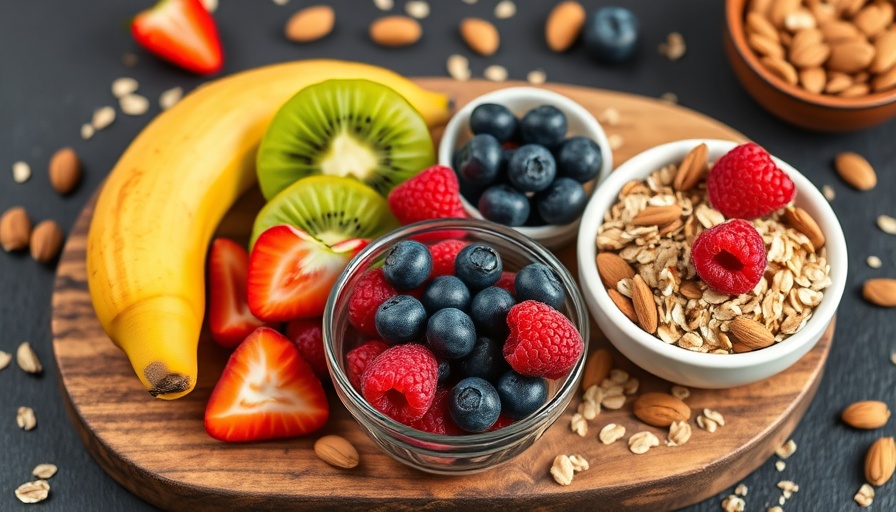
Boost fiber intake without bloating with colorful fruit bowl.

Boosting Fiber Intake the Right Way

Dietary fiber plays a crucial role in promoting digestive health and overall well-being, yet many people avoid it due to concerns over bloating. Worry not! There are effective ways to boost your fiber intake without unsettling your gut.

Understanding Fiber and Its Importance

Fiber, found in fruits, vegetables, and whole grains, aids digestion, helps maintain a healthy weight, and fosters heart health. When incorporating fiber into your diet, focus on increasing your intake gradually. This method allows your digestive system to adjust smoothly.

Effective Tips for Adding Fiber Without Bloating

One successful strategy is to choose soluble fiber sources like oats, barley, nuts, and seeds. These foods are easier on the stomach compared to insoluble fibers such as bran or legume skins, which may cause bloating. Adding these slowly into your meals lets your gut adapt without discomfort.

Importance of Hydration

As you increase your fiber, don't forget to drink plenty of water. Adequate hydration is essential for fiber to work its magic effectively. This combination allows fiber to achieve its full potential in digestive health.

Why Go for Whole Foods?

Opting for a whole foods diet is another excellent pathway to enrich your nutrition. Incorporating fruits, vegetables, and whole grains not only boosts your fiber intake but also provides essential vitamins and minerals. These nutrient-rich foods contribute to gut health and other aspects of your well-being.

Your Path to Clean Eating

Embrace clean eating and consider incorporating superfoods that are both fiber-rich and nutrient-dense. Foods such as avocados, sweet potatoes, and berries not only add flavor but also offer heart-healthy fats and help in maintaining steady energy levels throughout your day.

Your Next Steps

The journey towards better nutrition starts with simple choices. Start small, listen to your body, and gradually increase your fiber intake while enjoying the process. For personalized advice, feel free to reach out.

Call us at 984-238-6164 or email us at tom@mywellnesstrain.com.

Nutrition & Healthy Eating

44 Views

0 Comments

Write A Comment

*
*
Related Posts All Posts
02.02.2026

Exploring the Surprising Health Benefits of Eating Cottage Cheese Daily

Update Daily Servings of Cottage Cheese: A Week-Long Experiment Cottage cheese has taken social media by storm, becoming the centerpiece of countless innovative recipes – from whipped cottage cheese ice creams to savory toast toppings. As a registered dietitian, I found myself enthusiastic about this high-protein, nutrient-dense food finally receiving its due recognition. Embarking on a week-long journey of eating cottage cheese daily felt more like a delightful indulgence than a rigid diet. I wanted to explore its impact on my body and well-being. Unpacking the Benefits of Cottage Cheese This experiment wasn’t just for fun; I aimed to uncover the science-backed health benefits of cottage cheese. Renowned for its rich protein content, cottage cheese is an excellent snack for muscle growth and repair, particularly for those engaging in physical activity. Each cup contains essential nutrients like calcium and phosphorus, vital for maintaining bone health and reducing the risk of osteoporosis as we age. Cottage Cheese and Digestive Health: What I Discovered Despite my anticipation, the week of consuming increased doses of cottage cheese didn’t yield immediate, noticeable changes. Digestion remained steady—a reflection of my body's positive adaptation to this dairy staple. Moreover, the hidden benefits of consistent consumption, such as improved bone density over time and adequate protein intake for muscle recovery, reminded me that some health gains aren’t immediately visible. Delicious Ways to Enjoy Cottage Cheese Throughout the week, I incorporated cottage cheese into my meals beyond the standard scoop from a tub. From mixing it with salsa for a savory dip to blending it into smoothies, I found that there are endless creative ways to enjoy this versatile food. Each serving not only added flavor but also provided a hefty protein boost, which is crucial for maintaining a healthy diet. A Nutrient Powerhouse Cottage cheese is indeed a nutritional heavyweight, offering not just protein but also low calories compared to other cheese options. Its combination of calcium and phosphorus works synergistically, strengthening bones while aiding weight management through satiety. With 13 grams of protein in just one serving, it's a smart choice for those looking to cut calories without compromising nutrition. Bottom Line: Is Cottage Cheese Worth It? Reflecting on my week-long cottage cheese challenge, I can confidently say that it is an excellent addition to anyone's diet. It’s versatile, nutrient-rich, and supports both muscle development and overall health. Whether you’re an athlete, a casual gym-goer, or simply looking to maintain a balanced diet, incorporating cottage cheese could prove beneficial.

02.03.2026

Healthy Trader Joe's Grocery Haul: A Guide to Nutritious Choices for Families

Update Exploring Nutritional Choices for a Family of Four The video titled Healthy Trader Joe’s Grocery Haul (for a family of 4) prompts an examination of nutritious shopping strategies for families navigating the intricate world of healthy eating. In our fast-paced lifestyle, knowing how to maintain a balanced diet is crucial, especially for families keen on health. Today, we delve into effective grocery shopping tactics that not only save money but also enhance your family's well-being.In Healthy Trader Joes Grocery Haul (for a family of 4), the discussion dives into strategic nutrition and grocery shopping for families, exploring key insights that sparked deeper analysis on our end. The Importance of Strategic Grocery Shopping Understanding how to shop strategically will empower you to make healthier choices while keeping your budget in check. Trader Joe's is renowned for its affordable yet nutritious options, making it an ideal case study for families. Engage in a thoughtful review of your grocery list, emphasizing fresh produce, whole grains, and lean proteins that align with your family’s dietary preferences. By planning meals in advance and only purchasing necessary ingredients, families can drastically reduce waste and enhance cooking efficiency. Value in Cooking Challenges This brings us to the value of employing cooking challenges at home. Consider organizing a weekly healthy recipe challenge where family members can take turns preparing meals using ingredients from your grocery haul. By introducing a fun element into meal preparation, you can encourage healthy eating habits while making cooking a family affair. An example of this is the Weekly Healthy Recipe Challenge, where participants aim to create nutritious options with accessible ingredients, promoting creativity and inclusion. Expert Insights: Interviewing Nutritionists Moreover, bringing professionals into this conversation can yield invaluable insights. Interviewing nutritionists can provide specific tips tailored to family health needs, offering guidance on balancing macro and micronutrients. These experts can share hacks for enriching meals and optimizing taste, leading to a more enjoyable dining experience for families. For instance, enhancing simple dishes with herbs and spices can introduce variety, keeping children excited about their meals. Impactful Nutritional Choices on Family Health The correlation between dietary practices and long-term health cannot be overstated. Families who prioritize nutritious choices can expect reductions in diseases such as diabetes and obesity, and increases in overall energy levels. Providing children with a foundation rooted in whole food consumption can lead to healthier habits in adulthood. Thus, every grocery trip becomes a step toward a healthier legacy—one that families can deliberately nurture through consistency and intention. Actionable Strategies for Healthier Living To further cement these healthy habits, engage your family in discussions about nutrition. Choose healthy snacks together and make grocery shopping an educational experience. This approach not only fosters a sense of ownership in children but also elevates their understanding of nutritious diets. Another engaging activity could be involving your family in meal prep—a fun, collaborative effort that emphasizes the importance of nutritious cooking. Conclusion: Your Pathway to Richer Living If you’re interested in exploring the world of healthy eating and recipes, dive deeper. Join us to unlock your family's capacity for vibrant, nutritious living. Embrace the journey towards wellness together and stay tuned for more insights that can enrich your family's health!

01.31.2026

Discover These Essential Foods to Support Hair Growth Naturally

Update The Power of Nutrients for Hair Growth While many are quick to seek topical treatments and hair products for issues like slow growth or shedding, the answer might be far simpler: our diet. Nutrition plays a crucial role in hair health, as hair follicles need specific nutrients for optimal function. According to dermatologists, a nutrient-rich diet filled with whole foods can help transform your hair health from the inside out. Essential Foods to Include So what are the best foods for supporting hair growth? Experts suggest focusing on those rich in essential vitamins and minerals. For instance, eggs are celebrated for their high protein and biotin content—both of which are crucial for generating keratin, the structural protein that makes up hair. Meanwhile, fatty fish like salmon offer omega-3 fatty acids that support scalp health and hydration. Contrary to popular belief, it’s not just about one superfood. A variety of foods work together to foster healthy hair. Berries are rich in vitamin C, which is key for collagen production, while leafy greens, such as spinach, provide iron; a nutrient linked to oxygen transport in the body–essential for hair vitality. A balanced diet that includes foods like nuts, seeds, sweet potatoes, and legumes can greatly enhance hair growth and overall wellness. The Nutrition-Hair Connection It’s important to note that hair health is often a reflection of overall health. A deficiency in vitamins A, C, D, and E, along with minerals such as zinc and iron, can result in weakened hair strands or even hair loss. The relationship between nutrition and hair growth is a two-way street—poor hair health can signify a nutritional imbalance. Regularly incorporating a mix of nutrient-dense foods can help maintain a robust hair growth cycle. Practical Tips for Incorporation To maximize the benefits of these foods, try making small changes in your daily meals. Start your day with an omelet filled with spinach and berries for breakfast, snack on nuts, or opt for a salad topped with avocado and chickpeas. These small dietary shifts can not only enhance hair growth but also improve your general health. If you're facing challenges with hair growth, don’t hesitate to consult with a healthcare professional to rule out nutrient deficiencies while optimizing your diet with the right foods.

Terms of Service

Privacy Policy

Core Modal Title

Sorry, no results found

You Might Find These Articles Interesting

T
Please Check Your Email
We Will Be Following Up Shortly
*
*
*