


Unmasking the Dangers of Sunscreen Misinformation
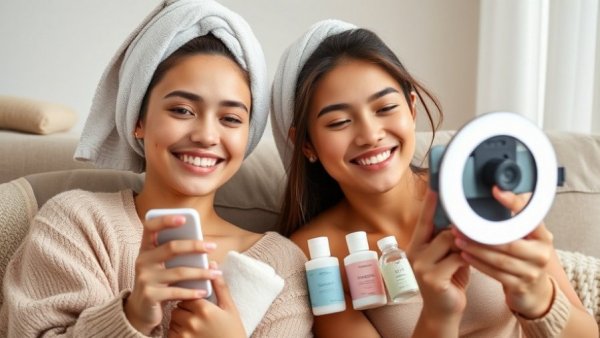
The rise of social media platforms has allowed health and wellness content to flourish, but this often comes with a cost—misinformation. A new study highlights how TikTok videos that promote harmful misconceptions about sunscreen are gaining disproportionate engagement rates. While the study revealed that most content encouraged sunscreen use, 16 videos questioned its safety, garnering far more attention due to their provocative nature.
As skincare experts, including Dr. Paul Banwell, emphasize, misinformation on social media can overshadow factual health advice, leading the public to view popular but misleading claims as credible. By challenging long-standing advice that endorses sunscreen for cancer prevention, these misleading videos contribute to a dangerous narrative.
The Role of Influencers in Misinformation Spread
With many users—especially younger generations—turning to influencers for health information, the responsibility to provide accurate advice is more crucial than ever. The study found that contrary to the abundance of positive content about the protective benefits of sunscreen, only 6% of videos explicitly mentioned its role in reducing skin cancer risk. This gap in messaging could lead audiences to inadvertently dismiss the importance of sunscreen beyond its cosmetic benefits.
Risks of Misguided Beliefs About Sunscreen Usage
Misleading information regarding sunscreen is often related to claims that it can disrupt hormones or cause cancer. Dr. Anthony Rossi underscores that there are no credible studies that support these claims and emphasizes that the benefits of sunscreen far outweigh the myths being perpetuated online. The result is a public health concern, as increasing skin cancer rates indicate a direct correlation with insufficient sunscreen usage.
Why Sun Protection Matters More Than Ever
As skin cancer remains one of the most common cancers globally, the need for effective sun protection is urgent. Many users may not realize that sunscreen should be applied daily, not just for outdoor activities. Dermatologists stress the importance of understanding that sunscreen protects against long-term UV damage and reduces the risk of skin cancer, making it essential for daily health routines.
Empowering Yourself with Knowledge
Being proactive about sun safety means discerning accurate information from the rumors circulating on social media. When consuming health-related content online, pay attention to the credibility of the sources and remember that popularity does not equate to factual accuracy. As a best practice, look for information backed by scientific studies or consult healthcare professionals.
In conclusion, combatting misinformation is crucial for public health. Engaging critically with content about sunscreen can lead to better informed, healthier choices and ultimately, lower skin cancer rates. So, the next time you browse through social media, be cautious of the information you consume regarding skin protection. Remember, effective sun protection is not just a beauty trend; it's a life-saving measure.





Write A Comment