
Add Row
Add Element
My Wellness Train Network
update
My Wellness Train Network
cropper
update
Add Element
  • Menu 1
  • Menu 2
  • Menu 3
  • Menu 4
  • Menu 5
  • Menu 6
Add Element
  • update
  • update
  • update
  • update
  • update
  • update
  • update
March 22.2025
2 Minutes Read

Pilates vs. Weight Training: Which Exercise Best Fits Your Goals?

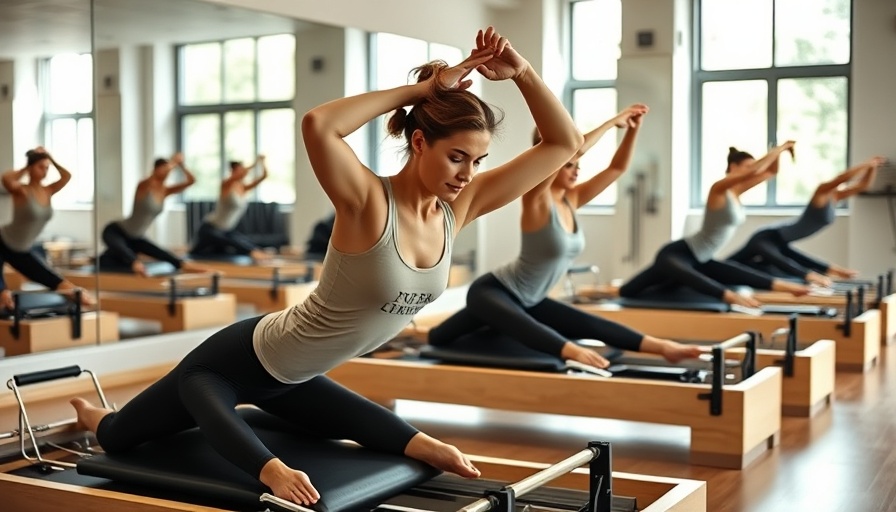
Women practicing Pilates in a gym, highlighting Pilates vs Weight Training.

Finding the Right Exercise: Pilates vs. Weight Training

As you embark on your fitness journey, understanding the differences between exercise styles is crucial. Two popular methods, Pilates and weight training, offer unique benefits tailored to specific fitness goals. Let's delve into how these approaches align with your objectives and overall health.

The Core Strength of Pilates

Pilates focuses on enhancing flexibility, posture, and core stability. It is a low-impact exercise that promotes body awareness through controlled movements. For those recovering from injuries or looking for a holistic approach, Pilates can be particularly advantageous. It not only strengthens muscles but also emphasizes alignment and breathing techniques.

Power and Endurance in Weight Training

On the other hand, weight training is essential for building muscle strength and improving overall endurance. It engages various muscle groups, promoting functional fitness that translates well into everyday activities. For individuals aiming to increase their metabolic rate, lose weight, or enhance muscular definition, weight training proves to be an effective choice.

Choosing What’s Right for You!

Your choice between Pilates and weight training should hinge on your personal fitness goals, lifestyle, and any existing health conditions. Engaging in a combination of both can provide a well-rounded fitness regimen that not only develops strength but also boosts flexibility and core stability. This balanced approach encourages longevity and wellness.

Actionable Insights for Better Health

Whether you lean towards Pilates or weight training, integrating nutrient-rich foods into your diet enhances your fitness outcomes. Consider pairing your exercise regimen with a diet rich in whole foods, including antioxidants and anti-inflammatory foods. Such a diet supports recovery and overall health, optimizing your exercise results.

Get Started Today

Now that you have insights into both exercise styles, consider how you can incorporate them into your routine. For tailored advice, call us at 984-238-6164 or email tom@mywellnesstrain.com. Your journey to a healthier lifestyle starts now!

Fitness & Movement

50 Views

0 Comments

Write A Comment

*
*
Related Posts All Posts
01.04.2026

Unlock Your Potential: Discover the Power of HIIT Workouts

Update Why HIIT Workouts are Trending in 2023 High-Intensity Interval Training (HIIT) has garnered immense popularity in the fitness community lately. With the fast-paced lifestyle that many are leading, it’s easy to see why the appeal of a quick, efficient workout is so strong. Not only does HIIT provide a full-body workout that can be completed in approximately 20 minutes, but it also promotes significant cardiovascular benefits. The flexibility of HIIT workouts makes them accessible to individuals of varying fitness levels, whether you're a beginner starting your journey or an advanced individual seeking to push your limits.In 'Full Body HIIT - Sweat Guaranteed - 20 Min No Equipment,' the focus is on energizing and efficient home workouts, prompting us to explore the extensive benefits and insights of HIIT training. The Science Behind HIIT Research supports the numerous benefits of HIIT workouts, emphasizing their efficiency in promoting fat burning and muscle building. A meta-analysis published in the Journal of Obesity confirms that HIIT can induce fat loss and improve physical fitness more effectively than traditional endurance training. The intense bursts of activity followed by brief recovery periods enable participants to maximize the calorie burn during and after their workouts, a phenomenon known as the "afterburn effect" or excess post-exercise oxygen consumption (EPOC). Common Misconceptions About HIIT Despite the rising popularity of HIIT, there are several misconceptions surrounding it. A prevalent myth is that one or two HIIT sessions are enough to transform your body. The reality is that visible results in fitness and physique come from consistent effort, well-structured workout routines, and maintaining a balanced diet. As emphasized by fitness influencers like Chloe Ting, achieving fitness goals requires time and a comprehensive approach, rather than relying solely on workout videos. Crafting Your HIIT Workout: Key Components A successful HIIT workout should include exercises that target various muscle groups to promote overall strength and conditioning. Effective elements to incorporate are bodyweight exercises like burpees, squat jumps, push-ups, and mountain climbers, which enhance functional fitness and improve endurance. Remember to include a warm-up to prevent injury, and a cooldown to aid recovery. How to Stay Motivated with your Fitness Goals Staying motivated can be tough, especially when results seem slow. Setting clear fitness goals—like increasing your endurance or ability to perform more reps—can provide tangible milestones to strive for. Additionally, trying different workout routines, joining community forums, or using fitness apps like those provided by Chloe Ting can make your fitness journey more enjoyable and social. Remember, fitness isn’t just about results; it also provides a sense of achievement and improves mental well-being. User Experiences: Real-Life Transformations with HIIT Many individuals have reported significant transformation stories, crediting HIIT workouts with their newfound energy, strength, and confidence. These stories often highlight the importance of community support through fitness coaching and social media, showcasing the positive impact of group fitness challenges and competition on personal motivation. Involving yourself in a supportive community can enhance your experience and keep you committed to your goals. Conclusion HIIT workouts not only offer a time-efficient exercise option but also promote physical and mental health improvements. By incorporating HIIT into your fitness routine, you can achieve greater endurance, strength, and overall health. For beginners or those looking to re-ignite their fitness journey, consider downloading comprehensive fitness programs or joining forums for support and motivation. Embrace the journey of fitness, enjoy the process, and remember that every small step contributes to your overall goals and wellbeing.

01.01.2026

Unlock Your Potential: Resistance Band Exercises for Stronger Legs

Update Your Guide to Resistance Band Exercises for Stronger Legs Resistance band workouts are a powerful way to improve strength without heavy weights, especially vital as we grow older. These flexible bands not only target major muscle groups but also enhance balance and stability by working smaller muscles often overlooked in traditional weight training. Here’s everything you need to know to get started with resistance band leg exercises that experts say can revolutionize your fitness routine. Why Choose Resistance Bands? Using resistance bands for exercises, like those recommended by fitness professionals, allows you to strengthen your leg muscles while minimizing joint strain. Trainers like Betina Gozo emphasize that bands can be easily transported and adjusted for various difficulty levels, making them suitable for all fitness levels. The exercises can be done practically anywhere, from your living room to a local park—perfect for busy individuals looking to integrate fitness into their daily life. Focus on Key Resistance Band Leg Exercises The following exercises are particularly effective for building leg strength: Fire Hydrants: This exercise is essential for targeting the gluteus medius, which supports hip stability. To perform it, place a band above your knees and lift your knee sideways from a tabletop position. Glute Bridge Pulses: Strengthening the pelvic floor and glutes, the glute bridge pulses keep constant tension on your muscles. Lift your hips while squeezing your glutes and pulse at the top of the movement to maximize muscle engagement. Lateral Band Walks: Step sideways with tension on the band, focusing on engaging your outer thighs and glutes. This simple move improves overall hip strength and stability. Clamshells: Lying on your side with a band above your knees, open your knees while keeping your feet together. This isolates the glutes, specifically targeting the gluteus medius. Squat Jacks: A dynamic exercise combining squats and jumping that targets the glutes and quads effectively. Adaptability for Every Fitness Level Resistance bands come in various strengths, making them adaptable for different fitness levels. Beginners might start with lighter bands, focusing on form to avoid injury before progressing to heavier bands for more resistance. Advanced users can combine bands with body weight exercises or even incorporate them into traditional strength training to challenge themselves further. Integrating Resistance Bands into Your Routine Trainers recommend integrating these exercises into your regular workout regime as warm-ups for leg days or even as supplementary training sessions focused on lower body strength. Regular practice can lead to marked improvements in muscle tone, coordination, and overall leg strength. Are you ready to enhance your workouts and keep your body healthy? Resistance band exercises for legs offer an excellent, low-impact way to do just that. If you’d like more personalized insights, contact us today or call us at 984-238-6164.

01.02.2026

Unleash Your Inner Fighter: Essential Tips for Heavy Bag Workouts

Update Unleash Your Inner Fighter: Heavy Bag Workout Essentials Heavy bag workouts have emerged as a powerful and efficient way to build strength, improve cardiovascular health, and hone your boxing skills—all while providing a fun, engaging outlet for stress relief. Whether you're a seasoned boxer or a fitness enthusiast looking to diversify your workouts, incorporating heavy bag training can significantly enhance your fitness journey.In 'Heavy Bag Workout Tips', the video covers many essential aspects of effective boxing training, prompting us to explore this powerful fitness method further. Understanding the Benefits of Heavy Bag Workouts When it comes to fitness routines, heavy bag workouts offer multi-faceted benefits. They not only improve your physical fitness but also lend themselves to emotional well-being. Engaging in these workouts can help you: Increase Strength: The resistance provided by the heavy bag aids in muscle building, as each punch engages multiple muscle groups including arms, shoulders, and core. Improve Endurance: Regularly practicing your strikes enhances cardiovascular fitness, building stamina over time. Develop Coordination: The combination of footwork and striking helps improve balance and coordination while also offering functional fitness benefits that translate into daily activities. Boost Confidence: Mastering the techniques involved in heavy bag workouts not only makes you physically stronger but also instills a sense of accomplishment and confidence. Choosing the Right Heavy Bag: What to Look For Selecting the appropriate heavy bag is crucial for maximizing your workout. Here are some key factors to consider when choosing your bag: Weight: The weight of the bag should be approximately half your body weight, ensuring adequate resistance while still being manageable. Material: Look for bags made out of durable material. Synthetic leather or canvas is generally a better choice for longevity. Fill Type: The fill can affect the bag's feel and resistance; options include sand, water, or fabric, each offering different experiences. Form and Technique: The Key to Safe Training A common misconception about heavy bag workouts is that they are only about power. In reality, form and technique are critical. Consider these tips for practicing safely: Use proper hand wraps: Protect your knuckles and wrists by using quality hand wraps or boxing gloves. Focus on technique: Practicing proper punching technique will maximize your training benefits while minimizing injury risk. Engage your core, leverage your hips, and maintain boxing stance. Incorporate footwork: Don't stay stationary! Move around the bag, practicing lateral and diagonal footwork to enhance agility while striking. Structuring Your Heavy Bag Routine A versatile heavy bag workout can be customized to fit various fitness goals. Here are some suggestions to structure your sessions: Beginner Routine: Start with basic punches—jabs, crosses, and hooks—while focusing on form and footwork. Gradually increase the duration to 20-30 minutes, with rest intervals. Intermediate Routine: Incorporate combinations, switch up your punches, and add low kicks if your bag permits. Focus on body movements to maintain heart rates in a fat-burning zone for longer durations. Advanced Routine: Mix in circuit elements with heavy bag work, incorporating HIIT for maximum intensity. Alternate between explosive punches and bodyweight exercises like squats and burpees during intervals. Incorporating Heavy Bag Workouts into Your Fitness Journey Embracing heavy bag workouts into your fitness routine can bring about a transformative journey. For beginners and seasoned athletes alike, the adaptability of these workouts means they can easily fit into any exercise plan. As you progress, consider working with a certified personal trainer or fitness coach to receive personalized guidance tailored to your specific fitness goals. By consistently incorporating strength training, endurance training, and cardio workouts through heavy bag routines, not only will you see vast improvements in your fitness levels, but you'll also experience enhanced mood and confidence.

Image Gallery Grid

Terms of Service

Privacy Policy

Core Modal Title

Sorry, no results found

You Might Find These Articles Interesting

T
Please Check Your Email
We Will Be Following Up Shortly
*
*
*