Add Row
Add Element
My Wellness Train Network
update
My Wellness Train Network
cropper
update
Add Element
  • Menu 1
  • Menu 2
  • Menu 3
  • Menu 4
  • Menu 5
  • Menu 6
Add Element
  • update
  • update
  • update
  • update
  • update
  • update
  • update
July 19.2025
2 Minutes Read

Over 14 Million Infants Worldwide Remain Unvaccinated: Insights and Actions

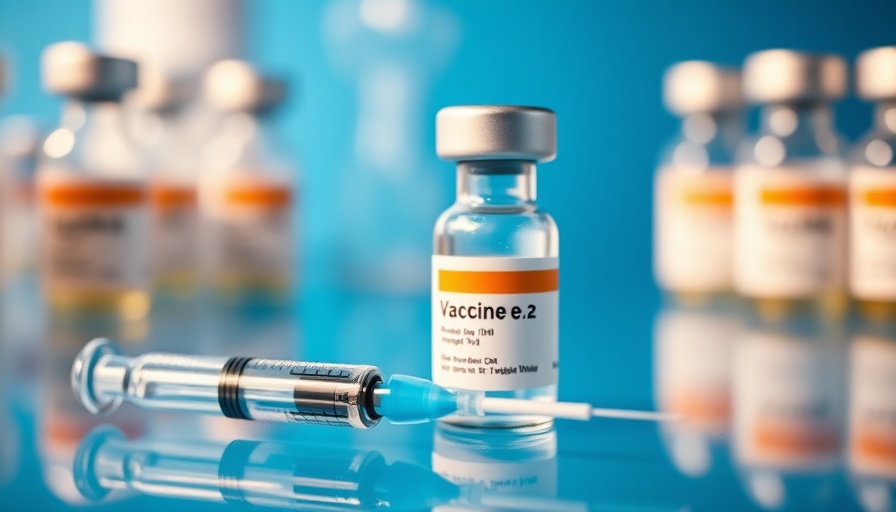
Vaccine vial and syringe on reflective surface, illustrating global vaccination rates.

14 Million Infants Lack Necessary Vaccinations

In a compelling report by the World Health Organization (WHO) and UNICEF, it has been revealed that over 14 million infants worldwide have not received essential vaccinations, endangering their health and wellbeing. While the past year has seen modest improvements in overall childhood vaccination rates, significant gaps remain, particularly among the most vulnerable populations.

The DTP Vaccine: A Key Indicator of Global Health

According to the data, approximately 89 percent of infants globally received at least one dose of the diphtheria-tetanus-pertussis (DTP)-containing vaccine. This reflects a slight increase compared to previous years, with roughly 115 million infants now immunized. However, a troubling 14.3 million children—termed "zero-dose"—have received no vaccinations at all. This figure surpasses the 2024 targets and highlights a critical area of concern as we approach the Immunization Agenda 2030 goals.

Impact of Conflict on Immunization Efforts

UNICEF experts point out that ongoing conflicts and humanitarian crises exacerbate the vaccination crisis. In conflict-affected regions, even where healthcare wiring exists, achieving robust vaccination coverage proves challenging. Notably, countries grappling with such conflicts harbor half of all unvaccinated children, indicating the urgent need for integrating immunization services in humanitarian responses. The rise in unvaccinated children from 3.6 million in 2019 to 5.4 million in 2024 within these nations underscores the impact of instability on child health.

Challenges and Opportunities Ahead

Beyond the DTP vaccine, there is a glimmer of hope in other areas of immunization. For instance, recent data has shown a noteworthy increase in human papillomavirus (HPV) vaccine receipt among adolescent girls, jumping from 17 percent in 2019 to 31 percent in 2024. Similarly, measles vaccinations also saw improvements, with 84 percent coverage for the first dose.

Despite these hopeful trends, UNICEF Executive Director Catherine Russell warns that millions continue to live without the essential protections that vaccinations provide. She emphasizes, "No child should die from a disease we know how to prevent," calling on nations to prioritize the healthcare infrastructure needed to ensure that every child receives crucial vaccinations.

What Can You Do?

Awareness is the first step towards action. Parents, healthcare providers, and policymakers must collaborate to advocate for vaccinations, especially in regions where access is hampered by conflict or misinformation. If you're interested in helping, contact us for more details on how you can contribute to expanding immunization efforts in your community.

Healthy Aging and Longevity

19 Views

0 Comments

Write A Comment

*
*
Related Posts All Posts
12.08.2025

Are Preschoolers Missing Out on Daily Exercise? Insights from New Study

Update Is Your Preschooler Getting Enough Exercise? A recent study from the UK reveals a troubling trend: most preschoolers aren’t getting enough physical activity, which is vital for their healthy growth and development. Researchers monitored 419 children aged 2 to 4 in England and Scotland, using accelerometers to accurately record activity levels both during school and at home. The findings are concerning. Only about 23% of young children met the World Health Organization's (WHO) guideline of 180 minutes of daily activity, while a mere 2.4% engaged in the recommended 60 minutes of moderate to vigorous physical activity. Daycare: A Missed Opportunity? Interestingly, children were generally more active on preschool days, moving about 15 additional minutes compared to their time away from childcare. This suggests that structured environments can foster increased physical activity. Yet, despite a slightly more active lifestyle during preschool, the majority still fail to meet recommended activity levels. Moreover, boys were found to be 8% more likely to meet these guidelines than girls. The Importance of Early Physical Activity Experts warn that insufficient exercise during early childhood may have long-term health repercussions. Professor Ruth Kipping from the University of Bristol emphasizes that lower activity levels can increase the risk of chronic health issues in later life. With government-funded childcare expanding, improving physical activity levels among preschoolers is increasingly crucial. Bridging the Gap in Activity Levels Interestingly, the study also highlighted that socioeconomic factors play a role. Children from less deprived families were notably more active when not in childcare. However, while in early care settings, these disparities disappeared, indicating that preschools could serve as equalizers for physical activity rates. These insights underscore the need for coordinated efforts between families, educators, and policymakers to promote healthier, more active lifestyles among young children. What Can Parents Do? As parents and guardians, it’s important to encourage physical activity at home. Utilize daily routines to incorporate movement and limit screen time. Simple activities like playing outside or family walks can significantly boost a child’s daily activity levels. For those interested in exploring safe exercise practices and wellness resources for children, contact us for more details.

12.06.2025

Unlocking Weight Management: Is Exercise and Healthy Eating the Winning Combo?

Update Exercise and Diet: The Synergistic Approach Recent research has revealed the potent combination of exercise and healthy eating as the most effective strategy for managing weight. A seven-year study involving over 7,300 British adults highlighted that those who improved both their diets and activity levels experienced notable benefits compared to those who focused on just one of these aspects. As Dr. Shayan Aryannezhad, the study's lead author, emphasized, combining these strategies not only aids in weight maintenance but also plays a crucial role in reducing visceral fat, which is linked to serious health conditions like diabetes and heart disease. Understanding Visceral Fat: The Hidden Threat Visceral fat, unlike subcutaneous fat that lies just beneath the skin, is stored deeper in the abdomen, surrounding vital organs. This type of fat is particularly dangerous as it can contribute to chronic diseases. Dr. Aryannezhad points out that focusing on where fat is stored is just as important as the overall weight loss itself. Research shows that visceral fat cells are active and can produce harmful substances leading to inflammation and disease. Therefore, reducing this fat is key for middle-aged adults aiming for healthier aging. The Mediterranean Diet: A Pathway to Health Implementing a heart-healthy diet such as the Mediterranean diet can accelerate the benefits of increased physical activity. This diet is rich in fruits, vegetables, whole grains, and healthy fats, which align well with the principles of healthy eating. As shown in the study, participants who adopted better dietary habits while exercising lost significantly more weight—averaging around 4 pounds less over seven years—compared to those who did not change their behaviors. Making Sustainable Changes: Small Steps to Success According to findings, incorporating both exercise and dietary alterations does not need to be overwhelming. Dr. Nita Forouhi, co-author of the study, suggests that small, consistent changes can lead to impactful results. Instead of radical lifestyle overhauls, individuals can start by gradually enhancing their diets and increasing physical activity. Simple adjustments, like walking more often or replacing processed foods with whole foods, can make a big difference in health outcomes. Future Implications: What's Next? The implications of this research extend beyond weight management. The dual approach could help prevent diseases common with aging, providing a roadmap for public health strategies aimed at improving population health. As this body of research expands, it may lead to clearer guidelines on the importance of holistic health strategies that encompass diet, exercise, and the prevention of visceral fat accumulation. For those seeking to take charge of their health and wellness, understanding the profound impact of combining exercise and diet is crucial. Contact us for more details on how to implement these strategies effectively in your daily life.

12.06.2025

Eli Lilly's Historic $1 Trillion Market Value: What This Means for Health Innovations

Update The Groundbreaking Ascent of Eli Lilly: A Trillion-Dollar Milestone Eli Lilly & Co. has officially made history by becoming the first healthcare company in the world to cross the $1 trillion market value mark. This monumental achievement not only places Lilly among the ranks of financial giants like Berkshire Hathaway, but it also highlights the immense potential of pharmaceuticals, especially in the booming weight loss and diabetes treatment markets. Driving Forces Behind Eli Lilly's Success The extraordinary growth of Eli Lilly can be attributed to its dynamic product line, particularly two groundbreaking medications: Mounjaro and Zepbound. Both drugs, designed to manage diabetes and aid in weight loss, are generating record-breaking revenue, with Mounjaro alone raking in $6.52 billion in Q3 2025. The demand for these treatments has surged, fueled by extensive marketing and increasing insurance coverage, an upward trend expected to continue as patients gain easier access to medications. Examining the Influence of GLP-1 Medications The rise of GLP-1 medications has been nothing short of transformative within the pharmaceutical industry. Analysts predict that the weight loss drug market could surpass $150 billion by the early 2030s, offering Eli Lilly a lucrative opportunity. Innovations in drug formulation are also paving the way for growth, with Lilly announcing plans to introduce an oral version of Zepbound, further extending its reach to patients who may prefer tablets over injections. In contrast, Lily's main competitor, Novo Nordisk, has been facing challenges this year, resulting in a decline in market shares, further solidifying Lilly's lead. The Historical Context of Eli Lilly's Rise Eli Lilly has a storied history that dates back to 1876, evolving from one of the first companies to introduce commercial insulin to a leader in advanced diabetes treatments. The company's success with Mounjaro underscores its evolution and the adaptability of its business model in a fast-paced market. By continually innovating and responding to consumer needs, Lilly showcases how a traditional pharmaceutical entity can thrive in today's health landscape. The Future: Predictions and Considerations As Eli Lilly continues to grow, industry experts expect further advancements in drug efficacy and patient care. Given the projected market dynamics and the ongoing demand for diabetic and obesity treatments, Lilly's path appears promising. However, challenges still loom as regulatory hurdles and competition from other pharmaceutical giants like Pfizer and Novo Nordisk may alter the landscape. Staying informed on these developments is crucial for anyone interested in healthcare trends. Contact Us for More Details The healthcare landscape is evolving rapidly with advancements that could affect you directly. If you want to stay updated for more insights on weight management and diabetic treatments, contact us for more details.

Terms of Service

Privacy Policy

Core Modal Title

Sorry, no results found

You Might Find These Articles Interesting

T
Please Check Your Email
We Will Be Following Up Shortly
*
*
*