
My Wellness Train Network
update
My Wellness Train Network
cropper
update
  • Menu 1
  • Menu 2
  • Menu 3
  • Menu 4
  • Menu 5
  • Menu 6
  • update
  • update
  • update
  • update
  • update
  • update
  • update
April 07.2025
2 Minutes Read

How Daily Green Tea Can Transform Your Healthy Eating Journey

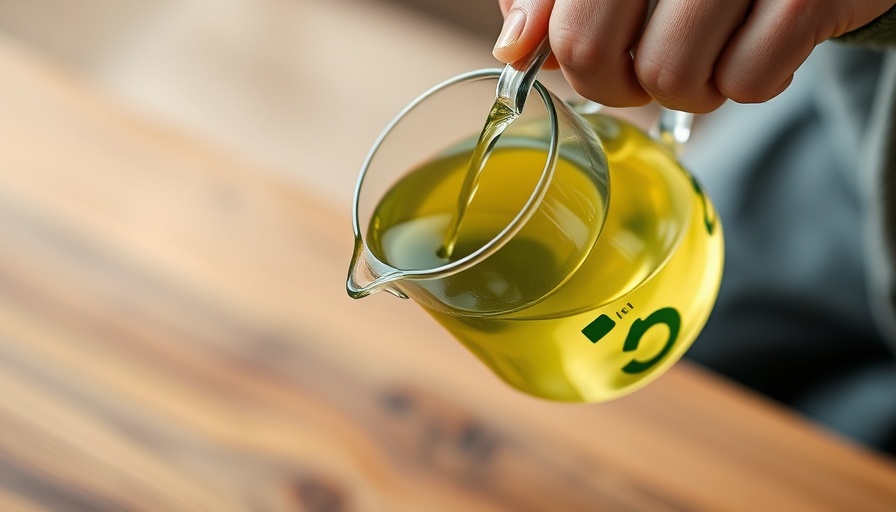
Pouring green tea into a cup benefits health daily.

Unleashing the Power of Green Tea for Everyday Health

Drinking green tea daily is more than just a refreshing habit; it’s a simple yet effective way to enhance your well-being. This nutrient-rich beverage, packed with antioxidants and polyphenols, offers a range of health benefits—from promoting heart health to supporting weight management. But what exactly happens when you integrate green tea into your daily routine?

Boosting Your Immune System Naturally

Regular consumption of green tea can work wonders for your immune system. The catechins found in this popular drink have been shown to have antiviral properties, which may help ward off illnesses. As the seasons change, a daily cup of green tea could play a role in keeping your body resilient against infections and diseases.

The Link Between Green Tea and Mental Clarity

Not only does green tea benefit your physical health, but it also supports cognitive function. Rich in L-theanine, an amino acid known to enhance relaxation without drowsiness, drinking green tea may help improve focus and reduce anxiety. This makes it an excellent beverage choice for professionals seeking clarity during busy workdays.

Heart Health: A Sip Towards Longevity

Heart disease remains a leading cause of death globally. However, incorporating green tea into your daily diet could offer protective benefits. Research suggests that the antioxidants in green tea can help lower LDL cholesterol levels and improve overall blood pressure. By making it a habit, you’re on the path to a heart-healthy diet.

Green Tea and Weight Management: Debunking Myths

A common misconception about green tea is that it can solely transform your body and help you shed pounds overnight. While it's not a magic solution, studies indicate that it may enhance metabolism and support fat oxidation. Combined with a balanced nutrition approach, like a whole foods diet, green tea can be a valuable addition to your weight management efforts.

Time to Make Green Tea Your Daily Ritual

With such diverse health benefits, it’s a great idea to make green tea part of your daily routine. Not only can this delicious brew contribute to your overall wellness, but it can also serve as a moment of mindfulness in a busy day. Embrace the ritual and health advantages of this ancient drink—your body will thank you for it!

Ready to take your health to the next level? Call us at 984-238-6164 or email us at tom@mywellnesstrain.com and learn more about how to incorporate nutrient-rich foods and holistic nutrition into your everyday life!

Nutrition & Healthy Eating

51 Views

0 Comments

Write A Comment

*
*
Please complete the captcha to submit your comment.
Related Posts All Posts
06.15.2026

Unlock the Power of Healthy Eating with This Protein-Packed Egg White Frittata!

Update Powerful Protein Boost: The Egg White Frittata If you're struggling to incorporate more protein into your daily meals, an egg white frittata with spinach might just be the solution you’re looking for. This nutritious dish is not only high in protein but also packed with fiber-rich vegetables, making it a fantastic addition to any healthy eating plan. Whether you're preparing for breakfast, brunch, or meal prep, this recipe is sure to delight your taste buds while offering a wealth of health benefits.In 'EGG WHITE FRITTATA with SPINACH | Protein Packed Meal Prep!', the focus is on creating a versatile and nutritious meal, which has inspired us to explore its broader benefits for healthy eating. The Ease of Meal Prep for Busy Lifestyles In today's fast-paced world, finding time to cook healthy meals can be a real challenge. The beauty of the egg white frittata lies in its adaptability for meal prep. After prepping this dish, you can easily store portions in the refrigerator, making it an ideal grab-and-go option for a nutritious breakfast or lunch. Just slice it into squares, and you have a protein-packed meal that’s ready when you are. No more skipping meals or opting for fast food when you find yourself short on time! Ingredient Spotlight: Nutritional Benefits of the Frittata This meal is a nutritional powerhouse. Egg whites are an excellent source of protein while being low in calories and fat. Spinach adds an impressive array of nutrients to the dish, including vitamins A, C, and K, iron, and antioxidants, which can boost overall health and immunity. When combined with cottage cheese and optional feta, this frittata becomes even more creamy and delicious, while contributing additional protein and calcium to your diet. Versatility: Making It Your Own Another advantage of this recipe is its versatility. You can customize it based on what ingredients you have on hand. Not a fan of spinach? Try kale or broccoli instead. Swap out feta for goat cheese or use other vegetables like zucchini or cherry tomatoes. This frittata can easily align with various dietary preferences, whether you're following a Mediterranean diet, a gluten-free diet, or even a vegetarian plan. The only limit is your imagination! Addressing Common Myths About Egg Whites Despite the popularity of whole eggs, egg whites often get a bad rap for being bland or less nutritious. However, they hold their own and provide a significant boost to your protein intake without the added calories from egg yolks. It’s essential to recognize that including a variety of foods in your diet is crucial for balanced nutrition. Whole eggs have their nutrition benefits too, and they can easily be incorporated into this recipe if you desire. A mix of whole eggs and egg whites can provide a richer flavor while maintaining high protein levels. Tips for the Perfect Egg White Frittata To avoid the common issue of watery frittatas, it’s crucial to cook your vegetables before adding them to the egg mixture. This will not only enhance their flavors but also minimize water content. Make sure to allow your frittata to rest briefly after baking before slicing into it; this helps it set properly and improves the texture. Adding spices like red pepper flakes can elevate the flavors and make your frittata even more enjoyable. Cooking and Storage Recommendations For best results, make sure to bake your frittata in a preheated oven at the right temperature. Keeping track of cooking times can lead to a perfectly set frittata; just remember that it should be fully cooked without liquid in the center. Store leftovers in an airtight container in the refrigerator for up to five days, allowing you to reap the benefits of your meal prep. If you’re feeling adventurous, you can also freeze portions for later use! Inspiring Healthy Eating Habits Adopting nutritious habits can sometimes feel overwhelming; however, simple recipes like this egg white frittata can ease that transition. By incorporating whole, nutrient-dense foods into your diet, you’re not only investing in your physical health but also nurturing your mental wellness. Embrace the journey of integrating healthy eating practices into your routine, starting with simple, tasty meals like this one. The egg white frittata with spinach is more than just a delicious meal. It's a quick, healthy, and protein-packed option that fits seamlessly into any diet. Next time you’re looking to simplify your meal prep without sacrificing nutrition, consider giving this recipe a try!

06.12.2026

Are Your Favorite Snacks Safe? Examining High Levels of Additives and Contaminants

Update What's in Your Snacks? The Hidden Dangers of Processed FoodsRecent investigations reveal shocking truths about some of America’s favorite snacks. A report from Consumer Reports found that popular items such as Cheetos, Hostess snacks, and Jell-O contain high levels of additives and contaminants, raising serious health concerns for consumers. A significant portion of these tested products exceeded what experts deem safe for daily consumption, with many approved by a regulatory system that allows companies to control which additives enter the market.Understanding Food Additives: The GRAS LoopholeThe term "Generally Recognized as Safe" (GRAS) might lead consumers to believe that their food is being properly vetted for safety. However, this system has significant loopholes—most notably, it allows companies to self-certify the safety of their ingredients. This oversight means that over 10,000 chemicals, many linked to significant health risks, populate the U.S. food supply without adequate regulation or scrutiny.Comparative Safety: Europe versus the U.S.The difference between food safety regulations in the U.S. and Europe is staggering. Europe has banned over 2,000 food additives that are still allowed in American products. For instance, substances like titanium dioxide—linked to DNA damage—are still prevalent in U.S. snacks, while Europe has already removed them from shelves. Such discrepancies emphasize the need for enhanced food safety measures in the States, with many advocating for stricter regulations akin to those in Europe.The Health Risks of Common SnacksParticularly concerning snacks include Hostess Donettes and Little Debbie Oatmeal Creme Pies, which contain carcinogenic levels of specific contaminants. Additionally, popular children's snacks like Crunchy Flamin’ Hot Cheetos and Gushers also exceed levels that can adversely affect health, especially regarding neurobehavioral issues.Steps Towards a Healthier DietAs developments unfold, it's crucial for consumers to stay informed and take action. Opting for whole, minimally processed foods not only reduces the risk of harmful additives but also promotes overall wellness. Reading labels carefully and choosing healthier alternatives can significantly contribute to long-term health and nutrition. Engaging with advocacy groups to push for reform in food safety regulations is another way to contribute to meaningful change.Be Proactive About Your Food ChoicesConsumers have the power to shape food safety policies through informed decisions. Opting for organic products and minimally processed foods, being vigilant while reading ingredient labels, and advocating for better regulations can help in promoting a healthier food environment for everyone. Don’t hesitate to voice your concerns about food products and demand safer options.

06.12.2026

How to Limit Your Exposure to Food Additives in Popular Snacks

Update Reducing Risks from Food Additives: How to Make Better Choices for Your Health Modern snacks have become a staple in our diets, providing convenience and indulgence for both kids and adults; however, many of these items harbor concerning additives and contaminants. Recent findings from Consumer Reports highlight that troubling levels of these chemicals can be present in popular snacks like Cheetos, Kool-Aid, and Gushers, raising important questions about their long-term health effects. The Hidden Danger of Additives According to the investigation by Consumer Reports, over a third of the analyzed products contained concerning levels of food additives or contaminants that exceed safety thresholds defined by both U.S. and European health agencies. Despite these risks, manufacturers are not obliged to disclose the specific amounts of additives in their products, leaving consumers in the dark about what they are actually consuming. Dr. Eric Boring, who led the study, found that many ultraprocessed foods, such as Takis and Little Debbie snacks, should not be consumed regularly, especially by children. The evidence suggests that a lifetime of exposure to these substances can lead to adverse health outcomes. Notably, 11 products posed significant health concerns for adults, and 14 for children, in terms of acceptable consumption limits. Understanding Additive Limits The limits set by Consumer Reports do not align with nutritional advice; rather, they serve to inform consumers about how often they can safely indulge in these snacks. For instance, they recommend capping Hostess Mini Donuts at one serving per month to manage exposure to specific harmful additives, such as titanium dioxide. As part of their testing, the scientists calculated a 'hazard quotient' for various substances, ensuring that those numbers help consumers navigate the ever-complicated world of food products. However, as serving sizes differ dramatically from one product to another, this complicates the consumers’ ability to make informed decisions. The Impact on Kids: Why Parents Should Be Concerned Given that children's bodies are still developing, the repercussions of consuming these low-quality processed foods can be even more critical. Research indicates that children are particularly sensitive to the effects of additives, which can lead to several health challenges, including allergies, hyperactivity, and possibly more severe long-term metabolic issues. Consider this: children may consume snacks containing multiple additives at once, which could have cumulative effects not fully understood by current research. An increase in the consumption of artificial colors and preservatives in kids' diets has raised alarming flags among health professionals focusing on childhood nutrition. Taking Action: Making Healthier Snack Choices To protect your health and that of your family, conscious decision-making in the grocery aisle is fundamental. Consider adopting practices such as reading ingredient labels carefully, minimizing the consumption of ultraprocessed snack foods, and prioritizing fresh, whole foods that naturally limit the need for artificial additives. Opt for alternatives without additives, such as fruits and vegetables, whole grains, and minimally processed snacks. Ultimately, being informed about the potential impacts of food additives can guide you in making healthier choices that contribute positively to your health. Sign Consumer Reports' petition to demand regulatory changes aimed at limiting dangerous additives in our food products and help safeguard your family's health. By being proactively discerning about what we eat, we can reduce exposure to harmful additives and cultivate healthier eating habits for ourselves and future generations.

Terms of Service

Privacy Policy

Core Modal Title

Sorry, no results found

You Might Find These Articles Interesting

T
Please Check Your Email
We Will Be Following Up Shortly
*
*
*