



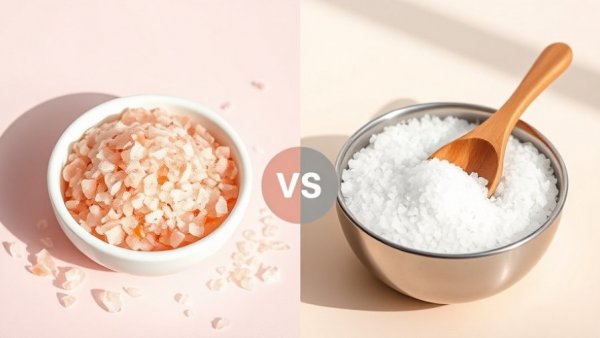
Understanding the Essentials of Himalayan and Sea Salt
When considering options for enhancing our health through dietary changes, the types of salt we choose to include in our meals can play a surprising role. Both Himalayan salt and sea salt have distinctive properties that affect hydration and blood pressure, making them essential ingredients in our kitchens.
The Nutritional Profiles: What Makes Them Unique?
Himalayan salt, often praised for its pink hue, contains over 80 trace minerals, contributing to its distinctive flavor and potential health benefits. Sea salt, harvested from evaporated seawater, also retains minerals; however, its content varies based on the water source. Both salts can provide essential trace minerals that are key to maintaining a balanced nutrition.
Hydration: Which Salt Reigns Supreme?
Salt is instrumental in regulating hydration, and both Himalayan and sea salts can aid in maintaining electrolyte balance. However, moderation is essential. High sodium intake from either type may lead to hypertension, impacting our overall health. It's crucial to consider how each salt fits into a heart-healthy diet.
Practical Tips for Healthier Salt Usage
Despite their differences, both Himalayan and sea salt can be used effectively in meals if consumed wisely. For instance, try using Himalayan salt in marinades to enhance flavors while benefiting from its minerality. Sea salt can be a delightful finishing touch on salads, offering texture and taste. By being thoughtful about our salt choices, we can make strides towards a balanced, nutrient-rich diet.
Take Charge of Your Health Today!
Exploring the benefits of your dietary choices is a step closer to achieving optimal health. For personalized guidance on incorporating these salts and other nutritious foods into your diet, call us at 984-238-6164 or email us at tom@mywellnesstrain.com today!





Write A Comment