

Add Row
Add Element
My Wellness Train Network
update
My Wellness Train Network
cropper
update
Add Element
  • Menu 1
  • Menu 2
  • Menu 3
  • Menu 4
  • Menu 5
  • Menu 6
Add Element
  • update
  • update
  • update
  • update
  • update
  • update
  • update
September 07.2025
2 Minutes Read

Florida’s Plan to Eliminate Vaccine Mandates: What's at Stake for Public Health?

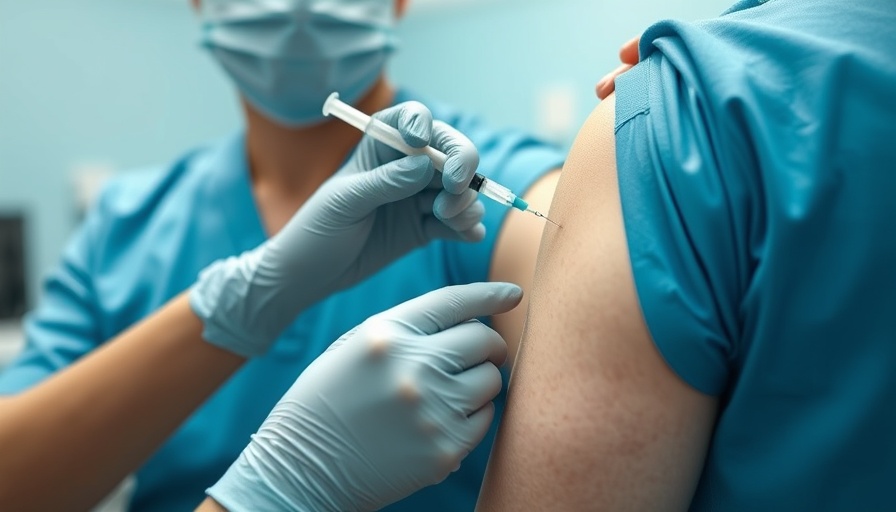
Close-up of vaccine administration in medical setting.

Florida’s Bold Move: Ending Vaccine Mandates

In a controversial proposal, Florida could become the first state to eliminate all vaccine mandates, a plan put forth by State Surgeon General Dr. Joseph Ladapo. This shift in health policy comes after the surgeon general labeled current vaccine regulations as "immoral," emphasizing individual freedom over collective public health. "People have a right to make their own informed decisions," Ladapo stated during a recent conference.

The Consequences of Dismantling Vaccine Policies

Experts warn that this drastic change may lead to an increased risk of infectious disease outbreaks. Dr. Rana Alissa, chair of the Florida Chapter of the American Academy of Pediatrics, voiced concerns about the implications of allowing unvaccinated children in schools, highlighting how illness directly impacts not only education but also the broader local economy as parents miss work to care for sick children.

The Community’s Reaction to Potential Outbreaks

The American Medical Association (AMA) has joined the conversation, urging Florida officials to reconsider their stance. Citing decades of public health progress, the AMA warns that eliminating vaccine mandates could reverse the hard-won gains in controlling infectious diseases that once posed significant threats to public health.

A Broader Context: Vaccine Impact Across the Globe

Globally, vaccines have been instrumental in preventing disease and saving millions of lives. WHO Director-General Dr. Tedros Adhanom Ghebreyesus noted, "Vaccines are among the most powerful inventions in history." With new variants continually emerging, the question remains: how will Florida’s decision resonate with national and global vaccine efforts?

Looking Ahead: The Role of Personal Agency in Health

As this policy discussion unfolds, it reveals the ongoing tension between individual rights and community health responsibilities. Such transformations in vaccine mandates are likely to spark debates across the nation, questioning the balance of autonomy against collective safety.

Understanding the implications of such choices can empower individuals to make better health decisions. For those looking to navigate complex health topics, assistance is available. Contact us for more details.

Healthy Aging and Longevity

6 Views

0 Comments

Write A Comment

*
*
Related Posts All Posts
02.05.2026

How Understanding When Aging Accelerates Can Enhance Your Wellness

Update Understanding the Acceleration of Aging Around Age 50 Life may seem like a slow, steady progression toward aging, but recent research reveals that this journey is more akin to a sprint than a leisurely stroll. A defining study published in Cell suggests that, contrary to popular belief, aging occurs in spurts rather than at a constant rate, with a notable "aging inflection" around age 50. Over the years, this critical period appears to mark the beginning of significant physiological changes in various organs and systems within the body. Key Changes in Your Body’s Systems Researchers analyzed tissue and blood samples from organ donors aged 14 to 68, revealing that as we approach 50, certain proteins crucial for cell function begin to decline. These proteins serve various essential roles, including cell growth and sustained organ health, and their decreased levels can lead to issues like cardiovascular diseases, liver problems, and even cognitive decline. This is particularly concerning as cardiovascular health is a linchpin for overall bodily aging, marking a vulnerability in our health as we transition into this new chapter of life. The Role of Hormones in Aging Another aspect that plays a pivotal role in the aging acceleration is hormonal changes. Around the age of 50, individuals typically experience hormonal shifts that can impact metabolism and muscle mass. Dr. Melissa Batchelor, an expert on aging, highlights that these shifts not only contribute to the physical manifestations of aging but can also affect mental health, underscoring the importance of comprehensive health strategies. Proactive Steps for Healthy Aging Although the research sheds light on inevitable biological changes, it also empowers individuals with actionable insights. Emphasizing preventive care, experts suggest integrating healthy lifestyle habits that can decelerate cellular aging. This includes: Prioritizing physical activity with a mix of cardio and strength training to bolster muscular health. Focusing on balanced nutrition rich in antioxidants and healthy fats to combat inflammation. Establishing a solid sleep routine to enhance recovery and overall wellness. Managing stress effectively through mindfulness practices or relaxation techniques. The Future of Aging Research This recent understanding of aging as a non-linear process opens up future possibilities for targeted interventions. Medical advancements may soon incorporate insights from aging biology, offering precision therapies that address the varied aging rates among organs. With ongoing research, there lies hope for innovative strategies designed to protect specific organ health and combat age-related diseases proactively. The Bottom Line: Aging is Manageable While aging is inevitable, it does not spell out decline and decay. Instead, adopting a holistic approach towards health—balancing physical, mental, and emotional aspects—is essential. The insights gleaned from research lend optimism that our lifestyle choices can profoundly influence how we experience this natural process. Recognizing the importance of preventive care and early detection can allow for not just longevity, but a healthier, more fulfilling life as you age.

02.14.2026

Why the U.S. Withdrawal from WHO Could Hurt Global Health Efforts

Update The U.S. Cuts Ties With WHO: A Reckless Move for Global Health? On January 26, 2026, the United States officially pulled out from the World Health Organization (WHO), marking a significant departure from a longstanding partnership that began in 1948. This decision, spurred by claims of the WHO's inadequate response to COVID-19, has drawn sharp criticism from public health experts and raised alarms about the potential impact on global health systems. Why This Decision Matters: Implications for Global Health Experts such as Dr. Ronald Nahass from the Infectious Diseases Society of America have expressed grave concerns about the implications of this withdrawal. He described it as "scientifically reckless," emphasizing that global cooperation is crucial for tackling health crises. Without the resources and insights that the U.S. previously contributed, the ability to track and respond to diseases effectively may be compromised, especially as the world grapples with the complexities of infectious diseases. What’s Next for Global Health Initiatives? Transitioning to new modes of health collaboration, the U.S. Department of Health and Human Services plans to work directly with other countries and entities, using programs under agencies like the CDC and NIH. While officials assert that the U.S. will continue to lead in global health, the cuts to funding—nearly $280 million halted—raise doubts about America's capacity to fulfill this promise. The upcoming WHO flu experts' meeting illustrates the urgency of maintaining collaborative efforts, as U.S. scientists have historically played vital roles in vaccine development. Counterarguments: A Dismissal of Global Health Leadership? Lawrence Gostin, a Georgetown University law professor, argues that the Trump administration's actions undermine U.S. leadership in global health. With substantial cuts to the CDC's global operations, this decision comes at a time when international cooperation is more critical than ever. Experts worry that the withdrawal may isolate the U.S. from vital health discussions, potentially harming efforts to address pandemics and outbreaks. Conclusion: The Need for Cooperative Health Strategies As we witness these unfolding events, the importance of understanding health challenges through an interconnected lens becomes increasingly clear. The United States' departure from WHO could jeopardize future health initiatives not only within the country but globally as well. To navigate these changes effectively, staying informed is vital. Contact us for more details.

02.12.2026

CDC Restores $5 Billion in Public Health Grants: What This Means for Your Health

Update CDC’s Swift Action Restores Vital FundingOn January 26, 2026, federal officials acted quickly to lift a brief pause on over $5 billion in public health grants essential to health systems across the United States. The funding is provided through the U.S. Centers for Disease Control and Prevention (CDC) and is aimed at supporting public health departments in all 50 states, Washington, D.C., and three national organizations, thus impacting a total of 107 health departments nationwide.Funding Is Back on Track After Short PauseOriginally, states were informed of the temporary hold while the U.S. Department of Health and Human Services (HHS) reviewed the allocation's use. Just a day later, HHS confirmed to the public that the funds were released, allowing states to resume their critical work. HHS spokesperson Andrew Nixon highlighted that the pause was part of a new review process aimed at ensuring taxpayer money is used effectively and legitimately.The Importance of Public Health InfrastructureThe five-year grant program, launched in late 2022, has already begun to make a substantial impact on communities, as reflected in the CDC's fact sheet. The funding has not only streamlined hiring processes for community health workers but has also significantly improved mental health scheduling systems across states. Such enhancements are essential in today’s climate, considering the increase in mental health needs across the nation.Political Oversight Amid Growing Health NeedsThe recent funding pause comes amid the Trump administration's broader push for increased oversight over federal health grants. Officials have articulated that these measures are not aimed at cutting funding for necessary public health services but rather at reducing potential fraud and ensuring accountability.Community Benefits and Future ImpactAs several state officials breathe a sigh of relief with the restoration of funding, the long-term benefits of this support are yet to unfold. Adequate funding will not only help retain and recruit crucial public health workers but will also enhance services aimed at addressing various health issues, such as diabetes management, mental health care, and chronic disease prevention.For those concerned about their health or interested in local health initiatives, staying informed about public health funding and its specific uses is paramount. These funds directly impact local health responses and initiatives affecting community well-being.

Terms of Service

Privacy Policy

Core Modal Title

Sorry, no results found

You Might Find These Articles Interesting

T
Please Check Your Email
We Will Be Following Up Shortly
*
*
*