

Add Row
Add Element
My Wellness Train Network
update
My Wellness Train Network
cropper
update
Add Element
  • Menu 1
  • Menu 2
  • Menu 3
  • Menu 4
  • Menu 5
  • Menu 6
Add Element
  • update
  • update
  • update
  • update
  • update
  • update
  • update
April 11.2025
2 Minutes Read

Discover Why You Should Never Peel These Fruits and Vegetables for Better Gut Health

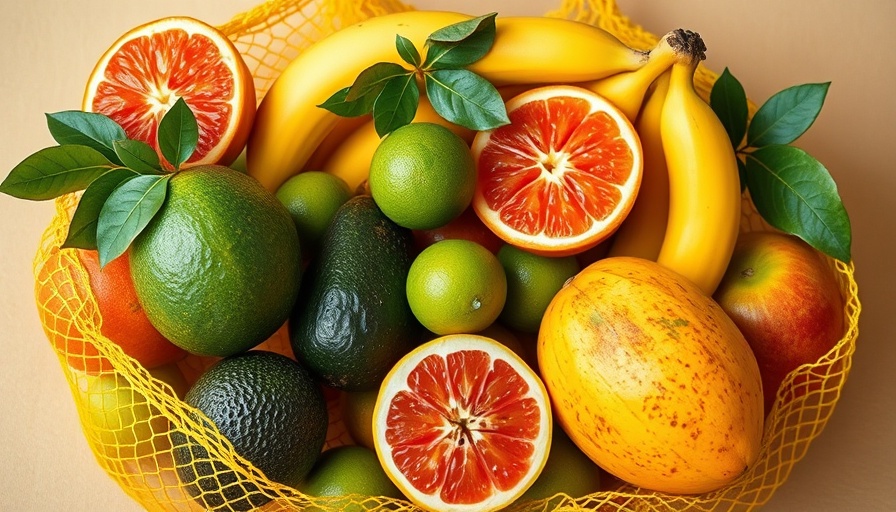
Assortment of fruits like grapefruits, bananas, avocados, showcasing 'Fruits and Vegetables You Should Never Peel.'

Are You Throwing Away Essential Nutrients?

Many of us reach for a peeler before cooking, believing we're preparing the food the right way. But have you ever considered that this habit may actually be hindering our gut health? Recent insights suggest that by peeling certain fruits and vegetables, we may be discarding vital fiber that supports our digestive system and overall well-being.

The Power of Fiber and its Benefits

Fiber is not just a buzzword; it plays a pivotal role in digestive health. According to studies, it aids in maintaining regularity, supports a healthy gut microbiome, and helps regulate blood sugar levels. More importantly, a significant portion of a vegetable’s fiber is often found in its skin—up to 31% in some cases! When we discard the peel, we may miss out on the very nutrients that help us manage weight and improve overall health.

Which Fruits and Vegetables Should You Keep the Skin On?

Some produce staples are dramatically more nutritious when consumed with their skin intact. Potatoes, apples, and carrots are excellent examples. The skins of these items contain antioxidants and additional fiber, contributing to a lower risk of chronic diseases. Interestingly, a kiwi’s skin, often treated as waste, is rich in vitamin C and helps lower cholesterol.

Holistic Approach to Nutritional Value

Integrating a more mindful approach to what we eat extends beyond simply peeling or not peeling. It invites us to explore holistic nutrition that nurtures the mind, body, and spirit. As we embrace this comprehensive view of wellness, we become more aware of our food choices and their broader impact on our health and the environment. This creates an enriching cycle of conscious living.

Mindfulness in Eating: A New Perspective

Being mindful about the foods we consume allows us to reconnect with our bodies and understand what nourishes us best. Eating the skin on fruits and vegetables is not just about gut health; it promotes a culture of self-care and self-awareness. By choosing to eat whole foods in their most natural state, such as keeping the skin on, we reinforce our commitment to a wellness lifestyle and enhance our overall mental clarity.

Integrative Health

21 Views

0 Comments

Write A Comment

*
*
Related Posts All Posts
02.07.2026

Unlocking Women’s Health: Build Strength and Metabolic Flexibility

Update Empowering Women: The Key to Functional StrengthFor many years, societal expectations have dictated health advice centered around weight reduction and restriction. However, Dr. Gabrielle Lyon challenges this notion, emphasizing the importance of skeletal muscle. Rather than merely a fitness goal, muscle health is a crucial component of longevity and metabolic resilience. Dr. Lyon proposes a shift in perspective: strength is not just a personal achievement but a collective responsibility that nurtures our ability to thrive as we age.Understanding Muscle Health and Its ImportanceLyon categorizes muscle health into three vital components: metabolic management, cardiovascular fitness, and functional strength. She explains that maintaining a healthy muscle mass greatly aids in metabolic regulation, acting as a primary site for glucose disposal. As we age, understanding how muscle influences our metabolism becomes essential for chronic disease prevention and overall health.Adaptive Strength Training for LongevityContrary to popular belief, achieving strength doesn't require continuously lifting heavier weights. Lyon argues for a more nuanced approach known as "progressive stimulus," which includes varying tempo and exercise types to prevent injuries common in middle-aged individuals. This method not only safeguards joints but also enhances long-term muscular health, thereby encouraging a healthier lifestyle.The Nutritional Cornerstone: Protein MattersIn Lyon’s perspective, protein intake should be prioritized as it plays a pivotal role in muscle health. Not all proteins are created equal—amino acids like leucine are crucial in stimulating muscle protein synthesis. Lyon advocates that adults should aim for at least 2.5 grams of leucine per meal, ensuring the body can repair and build muscle efficiently.Bringing it All Together: A Holistic Wellness ApproachThe journey toward optimal health isn't just about the body; it's about a holistic lifestyle that integrates mind, body, and spirit. As women embrace their unique strength, they also cultivate a positive mindset and emotional resilience that are vital for total wellness. By incorporating practices such as mindfulness, self-care rituals, and stress reduction techniques, women can enhance their well-being and achieve a balanced, fulfilling life.

02.05.2026

Unlock the Secret: How Grip Strength Reflects Your Brain Health

Update Understanding Grip Strength as a Window into Brain HealthWhen was the last time you considered the importance of your grip strength? For many of us, it only comes to mind when we're tackling mundane tasks like hauling groceries or battling stubborn jar lids. Nevertheless, emerging research shows that grip strength serves as a vital indicator of overall health, particularly as we age.The Surprising Connection Between Brain and MuscleA study conducted by researchers at UC Riverside revealed a striking relationship between grip strength and brain health. By using functional MRI scans to observe the brains of older adults while they performed grip tests, scientists identified the caudate nucleus, a deep brain structure, as pivotal in predicting grip strength. What’s fascinating is that activity in this brain region predicted grip strength more effectively than other areas traditionally linked with muscle control.Why Grip Strength Matters for AgingThe findings underscore that maintaining strong grip strength goes beyond mere muscle preservation; it hinges on the brain’s coordination and initiative capabilities as we age. The caudate nucleus plays a crucial role in this process, acting as a central hub that correlates brain activity with physical strength.Actionable Strategies for Enhancing Grip Strength and Brain HealthWhile the study does not provide specific interventions yet, it highlights useful habits that can bolster both physical resilience and brain capacity:Regular Strength Training: Incorporating resistance exercises improves muscle efficiency and boosts neural function.Engage in Coordinated Movements: Activities like Pilates, tai chi, or even dance can challenge the brain-muscle connection while promoting balance and control.Cognitive Engagement: Learning new skills and engaging in decision-making exercises can help fortify the brain areas linked to movement.Support Vascular Health: A balanced diet, regular exercise, and proper blood pressure management are crucial for maintaining both brain and muscle health.The Bigger Picture: Holistic WellnessAs we explore the implications of grip strength on our health, it invites us to think more broadly about our wellness journey. Total wellbeing involves a balanced lifestyle that nurtures not just our bodies but also our minds and spirits. Integrating practices like mindfulness and healthy living can further enhance our resilience against the aging process.In conclusion, understanding grip strength as a gateway to brain health helps illuminate the interconnectedness of our physical and cognitive functions. Embracing habits for both muscle and mental clarity can pave the way for a fulfilling, healthy life as we age.

02.03.2026

Unlock Longevity: How Eating for Muscle Health Boosts Your Life

Update Understanding the Role of Protein in Muscle Health As we journey through life, keeping our muscles healthy becomes increasingly crucial. Research shows that adequate protein intake is fundamental for maintaining muscle mass, especially as we age. Essential amino acids (AAs) derived from protein are the building blocks of our body's tissues, including muscles, organs, and tendons. Age-Related Muscle Loss: A Growing Concern Muscle loss, known as sarcopenia, becomes prevalent among older adults, affecting almost half of those over 80. This loss can lead to frailty, impaired mobility, and a higher risk of falls, significantly impacting one's quality of life. Regular strength training combined with the right protein intake can combat this decline, promoting independence and resilience during aging. How Much Protein Do You Need? The protein requirement changes with age. For adults over 65, the recommendation is approximately 1.0-1.2 grams of protein per kilogram of body weight per day. This is an increase from previous guidelines for younger adults, underscoring the need for heightened awareness around nutrition as we age. Strategies to Boost Your Protein Intake Focusing on whole food sources of protein, such as lean meats, fish, beans, lentils, and dairy, is essential. Incorporating high-protein snacks like Greek yogurt or edamame can help maintain adequate levels throughout the day. Another effective strategy is spacing your protein intake evenly across meals to maximize its effectiveness. Strength Training: The Perfect Complement Pairing resistance training with increased protein intake not only aids muscle growth but helps boost metabolism as well. This combination fosters better metabolic health and keeps our bodies functioning optimally, highlighting the synergy between nutrition and exercise. Aging Gracefully: The Holistic Approach To support overall well-being, engage in holistic practices that encompass mind, body, and spirit. Consider mindfulness practices, healthy living habits, and staying active. These habits not only promote muscle health but also contribute to a longer, healthier life. Embrace a lifestyle that prioritizes emotional resilience and overall well-being to foster a balanced and fulfilling approach to aging. It's never too late to start making changes to your diet and lifestyle for better muscle and overall health. Whether it's lifting weights or making mindful dietary choices, embracing your journey towards longevity and quality of life starts today. Consider consulting a healthcare provider or dietitian to tailor a plan that suits your unique health needs.

Terms of Service

Privacy Policy

Core Modal Title

Sorry, no results found

You Might Find These Articles Interesting

T
Please Check Your Email
We Will Be Following Up Shortly
*
*
*