

Add Row
Add Element
My Wellness Train Network
update
My Wellness Train Network
cropper
update
Add Element
  • Menu 1
  • Menu 2
  • Menu 3
  • Menu 4
  • Menu 5
  • Menu 6
Add Element
  • update
  • update
  • update
  • update
  • update
  • update
  • update
March 31.2025
2 Minutes Read

Discover What Those Spots on Your Skin Really Mean: Expert Insights

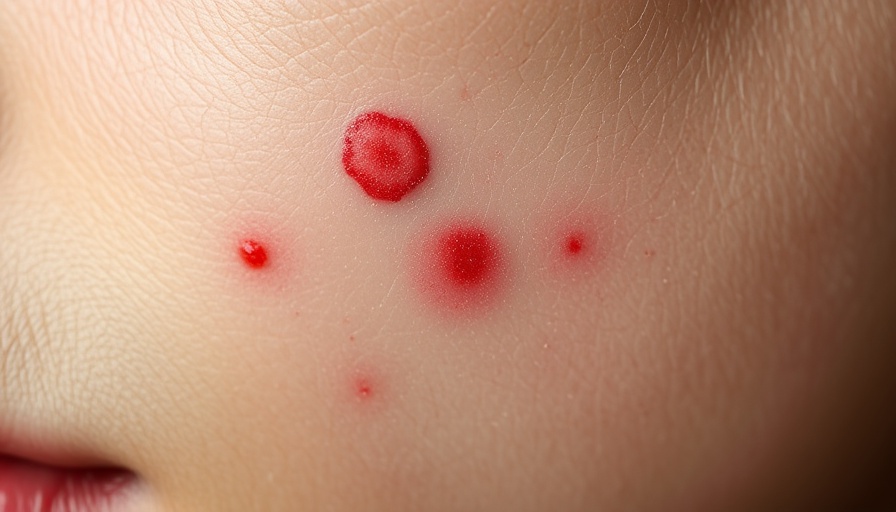
Close-up view of skin with red spots and cherry angioma

Understanding Skin Spots: What’s Normal and What Requires Attention?

Seeing a new spot on your skin can be concerning—especially when it’s unexpected. However, it's crucial to understand that a variety of skin spots exist, many of which are completely harmless. Dermatologists emphasize that while not all new spots indicate a health issue, any changes in your skin should prompt you to pay closer attention, particularly regarding your overall health and wellness.

Common Types of Skin Spots and Their Significance

Among the most common are cherry angiomas, which manifest as small red bumps due to clusters of dilated blood vessels. Many people notice these spots becoming more frequent as they age. On the other hand, psoriasis is a more complex condition characterized by rapid skin cell production leading to red patches and crusty surfaces that look different depending on skin tone. Early detection of such conditions is vital for effective management, which is often less successful when treatment is delayed.

Importance of Regular Dermatological Check-Ups

Regular visits to a board-certified dermatologist are essential for identifying both obvious and subtle changes to your skin. Dr. Ife J. Rodney, a dermatology expert, encourages everyone to prioritize these check-ups for proactive healthcare and early detection of any potential skin issues. Not only can dermatologists identify signs that may be invisible to the untrained eye, but they can also provide personalized approaches to make informed decisions about skincare and overall wellness.

Stay Proactive: Embrace Preventive Care

Understanding these aspects of skin health contributes to a broader perspective of preventive care. Just as regular health screenings detect chronic disease, keeping track of skin changes can lead to early diagnoses and interventions, enhancing overall health and bolstering resilience. With an emphasis on self-care practices and immunity boosting, you can forge a path of positive health outcomes. This proactive approach not only reduces risks but enhances quality of life.

Conclusion

While many skin spots are nothing to worry about, staying informed and engaging with your health care to identify changes ensures your well-being remains a priority. Consider scheduling regular visits with your dermatologist as part of your holistic wellness routine. Take charge of your skin health today, and explore how improving your skincare routine is a vital step in your journey towards healthy living.

Integrative Health

36 Views

0 Comments

Write A Comment

*
*
Please complete the captcha to submit your comment.
Related Posts All Posts
04.14.2026

Is Walking Enough for Your Wellness Journey? New Insights Unpacked

Update Walking: America’s Preferred Form of Exercise For many adults across the United States, walking has become the go-to exercise. As a low-impact activity, it’s accessible for most age groups and fitness levels, making it a popular choice for staying active. However, recent discussions suggest that relying solely on walking may not be enough for overall health and wellness. The Limitations of Walking While walking does provide numerous benefits, including improved cardiovascular health and weight management, it falls short in developing strength and flexibility, essential aspects of a well-rounded fitness regimen. According to research, while walking helps maintain a basic level of activity, it often does not address the growing concerns of joint health, muscle tone, and functional fitness, particularly among older adults or those with health conditions like arthritis. Understanding the Demographics Studies reveal that a significant number of older adults experience walking limitations, particularly those with arthritis. Research indicates that nearly 72% report some level of limitation affecting their walking abilities. This highlights an alarming disconnect; while walking is favored, many individuals may not be able to engage in it as extensively as they wish. The data emphasizes that factors such as age, sex, and physical health significantly influence these limitations, affecting not only mobility but also social interactions and mental health. Enhancing Your Walking Routine Experts suggest that to maintain holistic wellness, walking should be complemented with other exercises that build strength and improve balance. Activities such as resistance training and stretching can significantly enhance the benefits of walking. Strength training for the legs can boost muscle endurance and support in reducing injury risk, while mindfulness practices integrated into walks can promote mental clarity and emotional resilience. Setting the Tone for Wellness The conversation surrounding exercise must evolve beyond the simplicity of walking. Incorporating a variety of physical activities can lead to better health outcomes. Wellness isn't just about physical movement; it's about nurturing the mind, body, and spirit through a balanced lifestyle. By recognizing that walking is just one component of a comprehensive approach to health, individuals can explore a wider array of exercises that align with their personal growth and overall well-being. Conclusion: Bridging the Gap Walking remains a valuable and accessible form of exercise, but it is essential to recognize its limitations. To cultivate an all-encompassing wellness lifestyle, adults should integrate functional fitness and mobility exercises into their routine. This multifaceted approach can enhance longevity and foster emotional and physical health. Embrace a holistic view, and consider diversifying your fitness regime for total well-being.

04.12.2026

The Secret to Longevity: Roseto's Community Connection

Update The Roseto Effect: What It Teaches Us About LongevityNestled in the Appalachian foothills of Pennsylvania is the small town of Roseto, home to a significant and compelling story about longevity that transcends diet and exercise. This now-famous town, founded by Italian immigrants, flourished from the late 1800s through the mid-20th century, described more often in charming cultural representations than in health studies.The healthcare mystery began to unfold in the 1960s when Dr. Michael Mezzacappa noticed a remarkable absence of heart disease among his patients from Roseto. In a time when the average American man faced alarming heart attack risks, the men of Roseto had rates so low it was shocking. Further investigation found that these discrepancies pointed not to diet but to the very fabric of their community.Community: The Heart of LongevityWhat made Roseto unique was its culture, characterized by deep social connections, multigenerational households, and an unwavering sense of belonging. In a world that increasingly prioritizes individualistic pursuits, the residents of Roseto fully embraced communal living—a lifestyle nurtured by endless gatherings, family events, and a palpable spirit of camaraderie.These social connections fostered emotional resilience, significantly impacting their physical health. According to the American Heart Association, loneliness and social isolation now rank as independent risk factors associated with increased coronary heart disease and stroke mortality. Individuals lack basic support systems and are 42% more likely to develop heart disease if their social health is poor.The Impact of Modern IsolationUnfortunately, as modernization swept through Roseto in the late 1960s, these tight-knit communities began to unravel. As families adopted the nuclear family model, the formerly vibrant culture diminished. Heart disease rates skyrocketed to levels similar to national averages as the bonds between neighbors loosened and shared meals became less frequent.This gradual shift illuminates the urgent need for cultivating social wellness. Now more than ever, with the rise of digital isolation exacerbated by circumstances such as the COVID-19 pandemic, prioritizing human connection and community engagement may be the key to reversing trends in chronic disease.Lessons for Modern LivingSo, what does Roseto teach us for a healthier future? It suggests that a holistic approach to wellness—encompassing the mind, body, and spirit—is essential. By sharing our lives with family, friends, and neighbors, we actively enhance not only our emotional health but also our physical longevity.Integrating practices like mindfulness and intentional community engagement into our daily routines can lead to improved emotional clarity and long-term health outcomes. Cultivating gratitude practices, engaging in regular social activities, and prioritizing self-care rituals are just a few strategies we can adopt.The Power of ConnectionUltimately, Roseto's story serves as a thoughtful reflection on how health is not solely a product of what we consume but rather how we interact with one another. Building vibrant communities and nurturing personal connections may just be the most effective longevity tip we can embrace.As we consider our health choices post-pandemic and beyond, the Roseto Effect challenges us to consider social connection as a pillar of holistic wellness. It encourages us to explore life through the lens of community, where laughter, love, and shared experiences flourish, supporting both heart and spirit.

04.10.2026

Your Ovaries Are Longevity Organs: Essential Insights for Women's Health

Update Revisiting Ovarian Health: More Than Fertility Women have long viewed their ovaries through a narrow lens, primarily as organs tied to fertility. However, recent insights from experts like Dr. Natalie Crawford and Dr. Jila Senemar reveal that ovarian health plays a crucial role in overall longevity and metabolic health. The discussion at the recent Revitalize wellness event underscored the fact that 'your ovary isn’t just an egg factory,’ but also a ‘metabolic powerhouse’ affecting heart health, bone strength, and even brain function. Understanding Ovarian Aging One compelling finding is that ovaries age at a pace twice as fast as other cells. This rapid aging can serve as an early warning system for serious health issues like cardiovascular disease, metabolic syndrome, and some cancers. The hormonal fluctuations that accompany declining ovarian function translate into a range of systemic health risks, emphasizing the need for a more holistic view of these vital organs. Lifestyle Choices Matter Importantly, lifestyle plays a significant role in ovarian longevity. As Dr. Senemar points out, genetics is just a part of the equation: ‘The choices we make every day, from managing stress to what we eat, are crucial.’ Chronic inflammation triggered by modern lifestyles—such as poor nutrition, high stress, and lack of exercise—can lead to issues like diminished ovarian reserve and early hormonal decline. Thus, making minor but impactful adjustments in diet and stress management can significantly enhance ovarian health. The Role of Nutrition for Longevity To bolster ovarian function and overall health, adopting an anti-inflammatory diet paired with mindful eating habits is essential. Foods rich in antioxidants, omega-3 fatty acids, and fiber support not just ovarian health but contribute to emotional resilience and cognitive clarity. Looking Ahead: Future Research and Innovations As research on the ovaries expands, innovative approaches are emerging, such as exploring the use of anti-Müllerian hormone (AMH) to preserve ovarian function over time. This hormone has potential implications not just for fertility but also for overall health longevity. The link between ovarian longevity and lifespan offers a fascinating avenue for future studies. Take Action for Your Health As we grasp the importance of ovarian health, every woman should consider scheduling a monitoring check-up with a healthcare provider. Understanding your ovarian reserve through hormone levels can give valuable insights into your long-term health strategy.

Terms of Service

Privacy Policy

Core Modal Title

Sorry, no results found

You Might Find These Articles Interesting

T
Please Check Your Email
We Will Be Following Up Shortly
*
*
*