

Add Row
Add Element
My Wellness Train Network
update
My Wellness Train™ Network
cropper
update
Add Element
  • Menu 1
  • Menu 2
  • Menu 3
  • Menu 4
  • Menu 5
  • Menu 6
Add Element
  • update
  • update
  • update
  • update
  • update
  • update
  • update
June 13.2025
2 Minutes Read

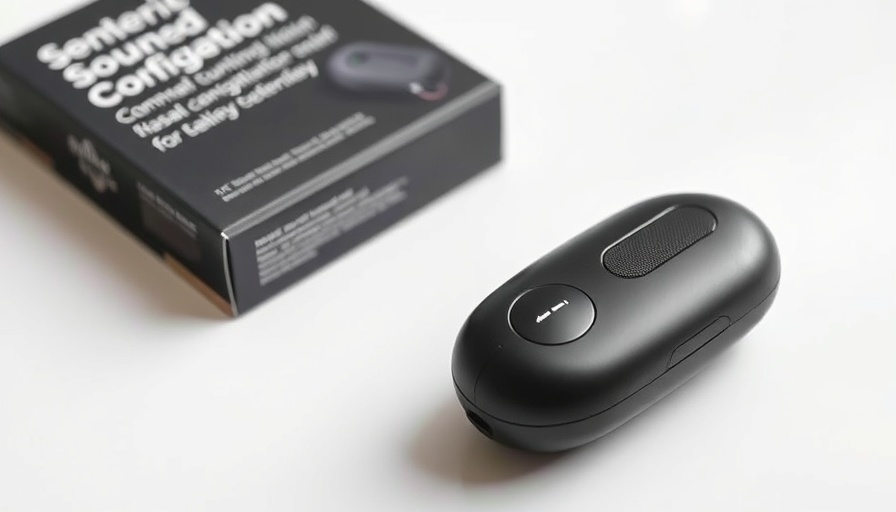
Discover the FDA-Approved Sonu Band: A Drug-Free Solution for Pediatric Nasal Congestion

Sound therapy device for drug-free treatment for pediatric nasal congestion.

Revolutionizing Pediatric Care: A Drug-Free Approach

The FDA's approval of the Sonu Band marks a significant advancement in the treatment of nasal congestion among children aged 12 and up. This innovative device harnesses acoustic resonant sound waves to alleviate symptoms without the use of medication, providing a much-needed alternative for parents seeking safer treatment options for their children. As a noninvasive solution, the Sonu Band addresses the shortcomings of traditional treatments, especially in cases where steroids or other medications might pose risks of unwanted side effects.

Understanding the Sonu Band's Mechanism

The technology behind the Sonu Band is fascinating. Utilizing a simple face scan from a smartphone, the accompanying app creates a tailored digital map of the user's sinuses. It then determines the optimal resonant frequencies for the individual, vibrating gently to reduce swelling and facilitate mucus drainage. This personalized approach not only speeds up relief—clinical data indicates that over 80% of users experience improvement within just 15 minutes—but it also empowers patients to engage actively in their healthcare.

The Growing Demand for Non-Pharmaceutical Solutions

As parents become increasingly aware of the side effects linked to traditional medications, there is a growing interest in drug-free solutions. According to a recent survey, more families are now seeking alternatives that prioritize children's safety. The FDA's approval of the Sonu Band fits perfectly within this trend, providing a reliable option that can be used at home without the risks often associated with over-the-counter or prescription drugs.

Future Implications for Pediatric Health

This breakthrough may represent more than just a novel device; it signals a potential shift in how pediatric nasal congestion is treated. As healthcare continues to evolve, technologies like the Sonu Band could pave the way for further innovations that combine comfort, efficacy, and safety. Pediatricians and families alike may benefit from more educational resources and actionable insights regarding non-drug treatments, something the Sonu Band fundamentally supports.

Explore This New Option

The approval of the Sonu Band opens new avenues for managing pediatric nasal congestion. If you're looking to better understand how this and other innovative treatments can benefit your family, contact us for more details. Stay informed and proactive regarding your child’s health!

Healthy Aging and Longevity

18 Views

0 Comments

Write A Comment

*
*
Related Posts All Posts
11.10.2025

Is Long-Term Melatonin Use Harmful to Heart Health? New Study Reveals Risks

Update Understanding the Risks of Long-Term Melatonin UseRecent research has raised alarming questions about the long-term use of melatonin as a sleep aid. A study presented at the American Heart Association's Scientific Sessions found that adults suffering from chronic insomnia and using melatonin for over a year have a startling 90% higher risk of developing heart failure compared to non-users. This study, which assessed over 130,000 health records, casts doubt on the common perception of melatonin as a harmless supplement.Lead researcher Dr. Ekenedilichukwu Nnadi stated, "Melatonin supplements are widely thought of as a safe and 'natural' option to support better sleep, so it was striking to see such consistent and significant increases in serious health outcomes." These findings suggest that individuals might need to reconsider their reliance on melatonin for sleep.The Link Between Melatonin and Cardiovascular HealthThe implications of these findings are significant. Melatonin users were found to be 3.5 times more likely to be hospitalized for heart failure and twice as likely to die during the study's duration. The clear correlation demands further investigation into how melatonin influences heart health, especially considering its popularity as an over-the-counter sleep aid.However, experts caution against immediate alarm. As noted by Marie-Pierre St-Onge, director of the Center of Excellence for Sleep & Circadian Research, the study's observational nature limits its ability to establish a direct cause-and-effect relationship. Other factors such as worsened insomnia or concurrent use of additional sleep medications could also contribute to the increased heart risk.Implications for Sleep Aid UsersFor many, melatonin represents an easy solution to insomnia. Yet, as this new research indicates, relying on it for extended periods may not be the safest option. With heart health at stake, those considering melatonin should engage in informed discussions with their healthcare providers. It’s crucial to assess whether melatonin is appropriate for their specific health needs and explore potential safer alternatives.Path Forward: Research and ConsiderationWhile serious health outcomes associated with melatonin use persist, more extensive studies are essential to fully understand its safety profile. As Dr. Nnadi pointed out, current findings accentuate the need for the medical community to carefully evaluate the recommendations regarding the long-term use of this supplement. As consumers, users should be proactive about their health, ensuring that any supplement taken does not pose unnecessary health risks.

11.10.2025

Light Pollution's Hidden Dangers: Staving Off Heart Disease

Update Understanding the Heart Damage from Light PollutionRecent findings indicate that light pollution, especially from artificial sources at night, poses serious risks to heart health. A study presented by researchers from Massachusetts General Hospital suggests that individuals exposed to higher levels of nighttime light have a significantly increased risk of developing heart disease. Over a five-year period, those exposed to artificial light at night face a 35% higher risk of heart issues, while a ten-year timeline reveals a 22% increase in risk.The Science Behind the ImpactResearchers analyzed data from 466 adults who had undergone cardiac imaging scans between 2005 and 2008. The correlation between artificial light exposure and cardiovascular health was striking. As Dr. Shady Abohashem explains, even minor increases in nighttime lighting can stress the brain and inflame blood vessels, processes that contribute to severe conditions such as hardening of the arteries, heart attacks, and strokes.Environmental and Urban ImplicationsThe study emphasizes the need for cities to reconsider their nighttime lighting strategies. Poorly designed outdoor lighting can exacerbate health risks for residents, particularly in noisy or low-income areas that already face stressors. Adjustments in urban lighting—like motion-sensitive fixtures and reducing unnecessary brightness—can potentially improve public health outcomes significantly.Sleep and Mental Health LinksBeyond heart risks, exposure to excessive light at night can disrupt sleep patterns, which then leads to further complications for mental and physical health. Sleep deprivation is known to have a cascading effect on various health issues, reinforcing the importance of managing light exposure. Limiting screen time before bed and creating darker sleeping environments are recommendations that can benefit everyone.Next Steps in Research and Health PracticesLooking ahead, there are calls for more comprehensive studies to assess if reducing nighttime light can yield positive changes in heart health. Researchers aim to deepen their understanding and further analyze how these environmental factors link to heart disease risks. Adjusting our lighting practices today may be a crucial step toward improving long-term health outcomes.For those curious about maintaining or improving heart health, embracing a more vigilant approach regarding nightly light exposure is just one of many strategies towards better well-being. Consider consulting health professionals or resources to learn more about protective measures against light pollution’s effects.

11.08.2025

The Impact of Gut Health on Kids' Mental Wellness: What You Need to Know

Update Unlocking the Gut-Brain Connection: A New Perspective on Child Mental Health Recent studies are beginning to unveil a profound connection between a child's gut health and their future mental well-being. The latest research published in Nature Communications has brought attention to the significant role of gut microbiomes, revealing that specific bacteria may influence the likelihood of developing anxiety or depression as children grow older. Understanding Gut Microbiomes and Mental Health The gut microbiome, the collection of bacteria living in our digestive systems, has long been linked to various health outcomes. In a pivotal study conducted by researchers from UCLA, data from 55 children in Singapore indicated that those with higher levels of certain bacteria, specifically from the Clostridiales order and Lachnospiraceae family, faced an increased risk of mood disorders by their tweens. This association raises important questions about the impact of early dietary choices on long-term mental health outcomes. The Brain-Microbiome Connection: What Does It Mean? Dr. Bridget Callaghan, the study's senior researcher, emphasized how early-life microbiome patterns could shape emotional brain networks. This finding aligns with previous research investigating the gut-brain axis, where gut bacteria influence not only physical health but also emotional resilience and predispositions to psychiatric disorders. This suggests that targeting specific microbiota through dietary adaptations or probiotics could potentially mitigate future mental health issues. The Role of Early Interventions With compelling links drawn between gut bacteria and emotional health, the imperative for early interventions becomes clear. Probiotics and mindful dietary practices may alter the microbiome's composition, paving the way for better emotional regulation in later stages of development. The study highlights an opportunity for healthcare providers and parents alike to focus not only on nutrition but also on gut health as a foundation for psychological resilience. Implications for Future Research Although this study sheds light on gut health's potential impact on mental well-being, researchers call for further exploration into which specific bacterial species contribute to mental health outcomes. Understanding these relationships will be crucial in developing targeted interventions. Final Thoughts The emerging understanding of the gut-brain connection has significant implications for child mental health. By promoting a healthier microbiome through better nutrition and possibly supplementation, we may empower future generations to fight mental health challenges more effectively. If you're interested in learning more about gut health or how to implement dietary changes for your family, contact us for more details.

Terms of Service

Privacy Policy

Core Modal Title

Sorry, no results found

You Might Find These Articles Interesting

T
Please Check Your Email
We Will Be Following Up Shortly
*
*
*