
Add Row
Add Element
My Wellness Train Network
update
My Wellness Train Network
cropper
update
Add Element
  • Menu 1
  • Menu 2
  • Menu 3
  • Menu 4
  • Menu 5
  • Menu 6
Add Element
  • update
  • update
  • update
  • update
  • update
  • update
  • update
July 09.2025
2 Minutes Read

CDC Expands RSV Vaccine Eligibility to Adults 50+: Key Insights

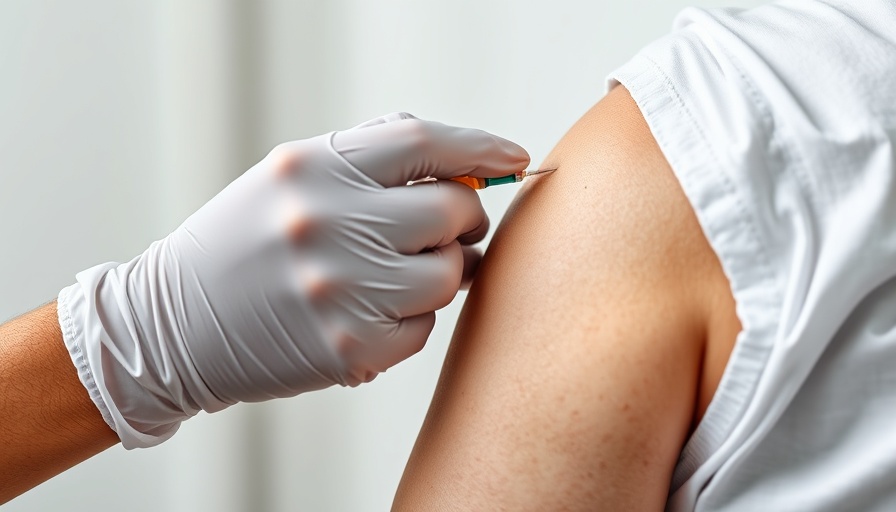
Healthcare professional giving RSV vaccine to adult in clinical setting, RSV vaccine recommendation for adults 50+.

Understanding RSV and Its Risks for Adults

Respiratory syncytial virus, or RSV, is often mistaken as a minor ailment, primarily affecting infants and the elderly. However, recent updates from the CDC highlight the potential risks it poses for adults, particularly those over the age of 50 with underlying health conditions. Traditionally seen as a childhood infection, RSV can lead to significant health issues for older adults, including pneumonia, bronchitis, and other respiratory complications. Thus, recent CDC recommendations emphasize the importance of vaccination in preventing severe outcomes among these populations.

New CDC Recommendations: What You Need to Know

In a notable shift, the CDC now recommends that adults as young as 50 get vaccinated against RSV if they have specific health conditions. This marks a departure from previous guidelines that limited the vaccine's availability to those aged 60 and older. The Advisory Committee on Immunization Practices (ACIP), which initially recommended this change, noted the urgency in extending this vaccine's coverage to manage RSV's potential impact as seasonal respiratory illnesses rise.

The Ripple Effect of Policy Changes

The recent overhaul of the CDC’s Advisory Committee has raised eyebrows, especially considering the dismissal of its previous members by Health Secretary Robert F. Kennedy Jr. Concerns loom over the effectiveness of vaccines amidst discussions from the newly appointed members, some of whom have previously challenged vaccine efficacy across numerous domains from flu vaccines to childhood immunizations. While definitive discussions on RSV vaccination by this new panel are yet to occur, the existing publication on the CDC’s website reflects ongoing support for the vaccination expansion as an official recommendation.

Importance of Vaccination for High-Risk Groups

The CDC’s guidelines underscore an essential aspect of public health: vaccination can prevent severe respiratory diseases among at-risk populations. While the recommendation now advises high-risk adults aged 50 and older, those aged 75 and older or people 60 and older with specific health conditions are already encouraged to get the RSV vaccine. This proactive approach aims to immunize vulnerable groups effectively and reduce hospitalizations caused by RSV complications, further demonstrating public health's evolving landscape.

Taking Action: Stay Informed and Protected

As changes in health guidelines occur, it becomes increasingly essential to stay informed. Individuals should consult healthcare providers about their specific risk factors and discuss the benefits of vaccination against RSV, thus taking charge of their health as they age. Keeping abreast of the latest recommendations not only safeguards individual health but also contributes to community wellness.

If you want to learn more about the RSV vaccine and other relevant medications, contact us for more details.

Healthy Aging and Longevity

20 Views

0 Comments

Write A Comment

*
*
Related Posts All Posts
12.16.2025

Can the Shingles Vaccine Help Slow Dementia Risk? New Research Reveals Surprising Insights

Update Shingles Vaccine: A Surprising Ally in Dementia PreventionRecent research has unveiled a remarkable potential benefit of the shingles vaccine that goes beyond just preventing a painful rash. A study published on December 2, 2025, in the journal Cell revealed that adults who receive the shingles vaccine not only lower their risk of developing memory issues but may also positively affect those already facing dementia.Key Findings Support Vaccine's Role in Cognitive HealthStanford University researchers examined data from over 282,500 older adults in Wales, where a shingles vaccination program has been in place since 2013. Those who received the vaccine were found to have a 3.1-percentage point lower risk of developing mild cognitive impairment over nine years compared to unvaccinated peers. Additionally, for those already diagnosed with dementia, receiving the vaccine correlated with an impressive 29.5-percentage-point reduction in the likelihood of dying from dementia over the same period.How Does This Work? The Inflammation LinkThe connection between shingles vaccination and cognitive health may lie in its impact on inflammation. The varicella-zoster virus, responsible for shingles and chickenpox, can trigger chronic inflammation in the nervous system. By preventing the virus from reactivating, the vaccine may help lower this inflammation, a known contributor to dementia progression. Furthermore, enhancements in overall immune function due to vaccination may offer additional protections, especially since numerous infections are linked to increased dementia risk.Expert Insights on This Emerging ResearchDr. Pascal Geldsetzer, the study's lead author, describes this dual potential of the shingles vaccine: "This means that the vaccine doesn’t just have a preventive potential but actually a therapeutic potential as a treatment." Others in the medical community emphasize the importance of further studies to confirm these promising results and the mechanisms behind them.Practical Health RecommendationsFor those concerned about maintaining brain health, experts suggest discussing the shingles vaccine with healthcare providers as part of a holistic approach to wellness. This includes regular physical activity, social engagement, and engaging in fulfilling activities. While there’s no guaranteed way to prevent dementia, these steps can contribute to healthier cognitive aging.Why This Research Matters NowAs we continue to explore innovative ways to combat age-related conditions, understanding the multifaceted benefits of vaccinations like the shingles vaccine can inform public health strategies. This breakthrough in research emphasizes the significance of vaccines, not only as a preventive measure but potentially as a tool in managing age-related cognitive decline.

12.16.2025

Why Kidneys Matter: Exploring the Link to Alzheimer’s Disease Risk

Update A Surprising Connection: How Kidney Health Relates to Brain Function Recent research indicates an intriguing link between kidney health and brain health, suggesting that how well our kidneys function may influence how dementia symptoms manifest, especially when Alzheimer’s disease markers are present. A study led by Dr. Francesca Gasparini from the Karolinska Institutet tracked nearly 2,300 individuals over eight years, focusing on older adults without dementia at the study's outset. The findings reveal that those suffering from reduced kidney function tended to have elevated levels of Alzheimer’s biomarkers—specifically proteins associated with the disease. These biomarkers include tau proteins, neurofilament light chain (NfL), and glial fibrillary acidic proteins (GFAP), which play significant roles in brain health and are crucial for diagnosing Alzheimer’s. Kidney Function and Dementia Progression: What Does It Mean? While the study did not find a direct correlation between poor kidney function and the heightened risk of developing dementia overall, it did uncover that impaired kidney function could accelerate the onset of dementia in those already showing high levels of biomarkers. This suggests that maintaining kidney health might delay the progression of dementia symptoms, an important consideration for aging populations. The Role of Biomarkers: Looking Deeper into Alzheimer’s Disease Understanding Alzheimer’s biomarkers is essential for early detection and treatment. The study highlights that healthy kidneys are vital in filtering out toxic waste, thereby potentially protecting the brain from the harmful buildup of such substances. It becomes apparent that when kidney function declines, it can influence the accumulation of these biomarkers, potentially skewing their predictability. Practical Insights: Why Should You Care? For those keen on maintaining their health, acknowledging the potential connections between kidney health and cognitive function could be beneficial. Regular monitoring of kidney health, especially among older adults, might help healthcare professionals better interpret Alzheimer’s biomarkers. Such proactive measures could provide critical insights into individual health trajectories. A Call to Action: Prioritize Your Health Today Understanding the interplay between kidney health and dementia can empower individuals to take charge of their well-being. If you’re concerned about your kidney health or cognitive changes, contact us for more details on how to monitor and optimize your health.

12.14.2025

WHO Guidelines Transform Obesity Treatment with GLP-1 Drugs

Update WHO Takes a Historic Step in Obesity TreatmentThe World Health Organization (WHO) has issued its first-ever guidelines regarding the use of GLP-1 medications for obesity treatment, marking a pivotal change in how this chronic condition is approached globally. Obesity is a growing epidemic, affecting over 1 billion individuals worldwide and accounting for an estimated 3.7 million deaths in 2024. WHO's Director-General, Dr. Tedros Adhanom Ghebreyesus, emphasized that treating obesity requires more than medication; it demands comprehensive solutions tailored to individual needs.Understanding GLP-1 Medications and Their RoleGLP-1 drugs, previously recognized for managing type 2 diabetes, have gained attention for their weight loss potential. The WHO recommends these medications for long-term management in adults with obesity, excluding pregnant women. This guideline showcases the drugs' effectiveness in supporting weight loss and improving metabolic health, albeit with noted concerns about their long-term safety and accessibility.The Path to Lifelong CareThe WHO advocates for a shift in perspective on obesity—it is not merely a result of poor lifestyle choices but a chronic disease requiring ongoing treatment and support. Alongside medication, patients are encouraged to partake in structured behavioral programs focusing on lifestyle modifications, which can further enhance weight loss outcomes. The integration of health policies that support healthy environments is crucial in combating the obesity epidemic.Addressing Economic Burdens and AccessibilityObesity poses a significant economic threat, expected to cost the global economy around $3 trillion annually by 2030. The WHO's guidelines acknowledge the high costs associated with GLP-1 medications and urge for innovative solutions, such as tiered pricing and pooled purchasing, to ensure equitable access for those in need. Without effective policy interventions, many individuals who could benefit may remain without treatment.Looking Ahead: Future Directions in Obesity ManagementAn estimated 10% of individuals needing these medications will gain access by 2030, highlighting the urgency for action. The WHO plans to update the guidelines regularly as more research emerges and will collaborate with international partners to ensure that those most in need are prioritized within treatment frameworks. This proactive approach aims to equip countries to tackle obesity in a structured, equitable manner.Connecting with Your Health JourneyAs advancements evolve in obesity treatment, it is imperative to stay informed and engaged. Understanding these guidelines and their implications can empower individuals to take charge of their health. For more support, consider reaching out to health professionals who can provide personalized care and insights tailored to your needs.

Terms of Service

Privacy Policy

Core Modal Title

Sorry, no results found

You Might Find These Articles Interesting

T
Please Check Your Email
We Will Be Following Up Shortly
*
*
*