

My Wellness Train Network
update
My Wellness Train Network
cropper
update
  • Menu 1
  • Menu 2
  • Menu 3
  • Menu 4
  • Menu 5
  • Menu 6
  • update
  • update
  • update
  • update
  • update
  • update
  • update
April 07.2025
2 Minutes Read

Avocado Oil vs Olive Oil: Which Healthy Fat Should You Choose?

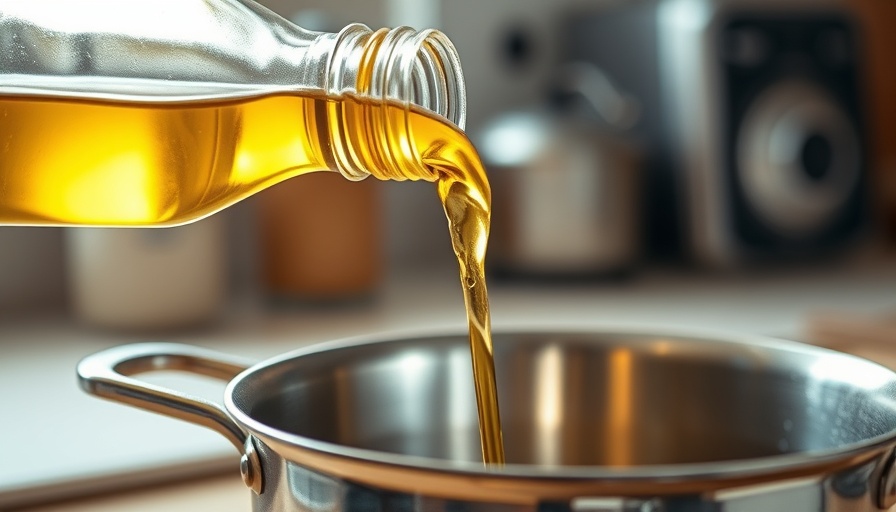
Close-up of oil pouring from a bottle into a pot, kitchen background.

Avocado Oil vs. Olive Oil: The Healthy Choice

When it comes to cooking oils, the debate is often heated: avocado oil vs. olive oil? Both are staples in the kitchens of health-conscious diners, but which one packs a punch for your health? As we delve into their differences, we’ll discover not only their nutrient profiles but also their unique benefits and uses.

Understanding Nutrient Composition

Avocado oil is rich in monounsaturated fats, particularly oleic acid, which may promote heart health and lower cholesterol levels. Olive oil, renowned for its plethora of health benefits, is also high in monounsaturated fats and is a cornerstone of the Mediterranean diet, renowned for supporting balanced nutrition. Both oils are also loaded with antioxidants, making them excellent choices for an anti-inflammatory diet.

Unique Health Benefits

Research suggests that avocado oil may enhance nutrient absorption, particularly for carotenoids found in vegetables and fruits. On the other hand, olive oil is celebrated for its heart-healthy properties, potentially improving gut health and aiding in weight management when used as part of a whole foods diet.

Cooking Applications

Despite their similarities, how does cooking with these oils differ? Avocado oil boasts a higher smoke point than olive oil, making it ideal for high-heat cooking such as frying or roasting. In contrast, olive oil’s distinct flavor enhances salads, dips, and dressings, contributing to a balanced nutrition regime.

Making Your Choice

So, which oil is better for you? The answer may depend on your cooking techniques and health goals. Opt for avocado oil when preparing high-heat meals and reach for olive oil when you want to drizzle over salads or use in cold dishes to capture its full flavor and health benefits.

Call to Action

Whether you choose avocado or olive oil, incorporating healthy fats into your diet is essential for overall well-being. If you're ready to elevate your health and nutrition knowledge further, don’t hesitate to call us at 984-238-6164 or email us at tom@mywellnesstrain.com today!

Nutrition & Healthy Eating

35 Views

0 Comments

Write A Comment

*
*
Please complete the captcha to submit your comment.
Related Posts All Posts
05.30.2026

Unlock Better Memory: Top Foods to Boost Brain Health

Update Boost Your Brain: Foods That Matter Want to keep your brain sharp and youthful as you age? Research shows that certain foods can help significantly improve memory and cognitive function. While activities like crossword puzzles and reading books are great, nutrition plays a vital role in maintaining brain health. Following diets like MIND or DASH, rich in plant-based foods and healthy fats, can lead to remarkable benefits. The Essentials: Key Brain Foods So, what should you eat to help your brain? Studies emphasize the importance of: Fatty Fish: Fish like salmon and sardines are rich in omega-3 fatty acids, which support brain structure and function. Just two servings per week can make a difference! Berries: Blueberries, strawberries, and raspberries are packed with antioxidants that may enhance memory and cognitive skills. Some studies suggest that consuming these berries can delay memory decline by up to 2.5 years. Leafy Greens: Nutrient-dense vegetables like spinach and kale contain vitamins and compounds that protect brain health and slow cognitive decline. Nuts: Walnuts, almonds, and other nuts are excellent sources of healthy fats, important for sustained focus and memory. Eggs: Rich in proteins and choline, which assists in memory and communication between brain cells, eggs should be a routine part of your diet. Meal Planning for a Sharper Mind To put these brain-boosters into practice, aim to fill your plate with half fruits and vegetables, a quarter with healthy proteins, and a quarter with whole grains. Meal frequency is also key; keep your blood sugar levels stable by eating every 3 to 5 hours. Skipping meals, especially breakfast, can hamper your cognitive function. Why This Matters: Building a Healthier Future The health of your brain is closely tied to the foods you eat—a well-balanced diet can reduce the risk of memory loss and cognitive decline as you age. Embracing brain-healthy foods is not just a trend; it’s a lifestyle choice with potentially significant implications for your quality of life. Ready to Improve Your Brain Health? Understanding the benefits of these foods is the first step towards a healthier brain. Make small adjustments today by incorporating these brain foods into your meal prep. Want more health tips and recipes? Start integrating these into your daily routine for a future filled with sharp thinking!

05.30.2026

Unlocking Heart Health: The Essential Guide to Good Fats in Your Diet

Update Understanding Healthy Fats: Why They MatterFor many years, fat was labeled the enemy in the world of nutrition, but times are changing. Experts like Dr. Dariush Mozaffarian emphasize the importance of not just the amount of fat you eat, but the type. Healthy unsaturated fats derived from plants can protect your heart and overall health, while saturated fats, often found in animal products and certain oils, should be limited.Know Your Fats: The Good and the BadNot all fats are created equal. Unsaturated fats found in foods like olive oil, nuts, and avocados are celebrated for their health benefits. They help lower LDL cholesterol levels and reduce the risk of heart disease. In contrast, saturated fats from butter, beef tallow, and tropical oils (like coconut oil) may increase LDL cholesterol and potentially raise heart disease risk. Research indicates that replacing saturated fats with healthier options could lead to better health outcomes.What to Include in Your DietIncorporate healthy fats into your meals by prioritizing certain food choices. Extra-virgin olive oil should be a staple in your kitchen due to its high levels of beneficial compounds. Similarly, fatty fish such as salmon are excellent sources of omega-3 fatty acids, known for their heart-protective effects. Plant-based oils like canola and soybean oil are also recommended. The American Heart Association encourages the use of these healthier fats for cooking and flavoring.Watching Out for Saturated FatsWhile healthy fats are essential, it’s crucial to avoid excess saturated fats. The Dietary Guidelines suggest that saturated fat intake should not exceed 10% of daily calories. Thus, limiting butter, fatty meats, and tropical oils can support heart health. Aim for lean proteins, such as chicken and fish, instead of red meat. This simple swap can contribute positively to your health.Healthy Eating Tips to Live ByTo maintain a balanced diet rich in healthy fats, focus on whole foods like fruits, vegetables, whole grains, and legumes. These nutrient-dense options not only provide important vitamins and minerals but also help manage weight and reduce disease risk. As you adjust your fat intake, remember to stay active and mindful of your overall diet to optimize your heart health.Conclusion: Action Steps for Healthier EatingUnderstanding the types of fats you consume can have far-reaching effects on your health. As you incorporate healthier fats into your diet, decrease your intake of saturated fats, and focus on whole food nutrition, you will be making strides toward a healthier lifestyle. Start today by making small changes, and your body will thank you!

05.28.2026

Transform Your Kitchen: Non-Toxic Spring Cleaning Tips for Health Enthusiasts

Update Embracing a Safer Kitchen: The Case for Non-Toxic Cleaning In recent years, the conversation surrounding non-toxic living and cleaning practices has shifted from niche to necessary. With an increasing awareness of the adverse effects of chemical-laden cleaners, more individuals are searching for safer alternatives, especially in their kitchens—the heart of any household. This article delves into the important principles of spring cleaning your kitchen in a way that champions health and safety.In 'How to Spring Clean Your Kitchen (non-toxic and safe)', the video highlights essential cleaning practices that prioritize health, prompting us to explore these insights further. The Impacts of Traditional Cleaning Products Many popular kitchen cleaning products contain harsh chemicals that pose risks to both human health and the environment. Ingredients like ammonia, bleach, and phosphates can lead to respiratory issues, skin irritations, and even long-term health consequences. For healthcare professionals and health-conscious individuals, choosing non-toxic cleaning solutions can reduce exposure to these harmful substances and promote better well-being. Essential Non-Toxic Cleaning Ingredients Switching to non-toxic cleaning methods does not require expensive products; often, the best ingredients are those already found in your pantry. White vinegar, baking soda, and lemon juice are powerful alternatives that effectively neutralize odors, cut grease, and disinfect surfaces. By employing these simple components, you not only maintain a hygienic kitchen but also create a safer food preparation area. Practical Steps for a Comprehensive Kitchen Clean To spring clean your kitchen through non-toxic means, follow these actionable insights: Clear Out Old Foods: Begin by emptying your pantry and refrigerator of expired or unwanted items. A clean slate allows you to assess your space and prepare it for effective cleaning. Mix Your Cleaners: Combine equal parts of vinegar and water in a spray bottle for an all-purpose cleaner. For tough stains, a paste of baking soda and water can work wonders. Scrub and Shine: Utilize soft cloths or sponges to wipe down surfaces. Be sure to clean high-touch areas such as cabinet handles and light switches where germs accumulate. Focus on Appliances: Don't forget the inside of your oven and your refrigerator. Steam cleaning can be done safely with vinegar or a solution of water and lemon juice in these areas. Organize to Maintain: After your deep clean, reorganize your kitchen items in a way that promotes ease of use and cleanliness, reducing clutter over time. The Psychological Benefits of a Clean, Non-Toxic Space A clean kitchen fosters not just physical well-being, but also mental wellness. The act of cleaning, especially when using non-toxic methods, promotes a feeling of control and accomplishment. Furthermore, a tidy kitchen encourages healthier eating habits and meal preparation, steering individuals away from processed convenience foods. As healthcare professionals—a group that thrives on balance and organization—this transformation can lead to improved efficiency in their daily routines. Join the Healthy Cleaning Movement As we strengthen the belief that a healthy lifestyle begins at home, it’s crucial to integrate non-toxic cleaning practices into our routines. This is where the idea of community challenges emerges—such as a Weekly Healthy Recipe Challenge that encourages the public to join in and explore the joys of healthy living through cooking and cleaning. When we collectively embrace these practices, we can inspire each other to sustain a healthier lifestyle. In conclusion, spring cleaning your kitchen with non-toxic methods is more than just a seasonal chore; it is a significant act of self-care and responsible living. By making informed choices about our cleaning supplies, we lay the groundwork for better health and improved quality of life. Your home deserves a cleaning that is as healthy as the meals you prepare. Dive into our upcoming content to learn more about how healthy eating habits intersect with effective kitchen maintenance.

Terms of Service

Privacy Policy

Core Modal Title

Sorry, no results found

You Might Find These Articles Interesting

T
Please Check Your Email
We Will Be Following Up Shortly
*
*
*