

Add Row
Add Element
My Wellness Train Network
update
My Wellness Train Network
cropper
update
Add Element
  • Menu 1
  • Menu 2
  • Menu 3
  • Menu 4
  • Menu 5
  • Menu 6
Add Element
  • update
  • update
  • update
  • update
  • update
  • update
  • update
February 01.2025
2 Minutes Read

Animal vs. Plant Proteins: Which Should You Choose for Optimal Health?

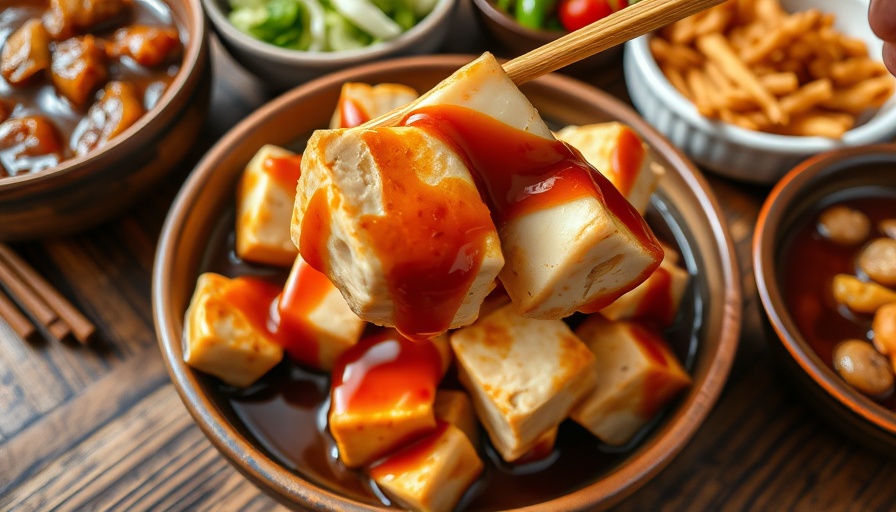
Close-up of tofu with sauce, representing plant proteins.

Understanding the Basics of Protein Sources

Protein is essential for our body's growth and repair, but where we source this vital nutrient can spark heated debates. Animal proteins, found in foods like meat, dairy, and eggs, are known for their complete amino acid profiles, meaning they contain all the essential amino acids our bodies need. Conversely, plant proteins from sources such as beans, lentils, and nuts often lack one or two amino acids but offer additional health benefits like fiber and phytonutrients.

The Health Benefits of Animal vs. Plant Proteins

Both animal and plant proteins come with their distinct health benefits. Animal proteins are usually richer in certain nutrients such as Vitamin B12, iron, and zinc, which are crucial for various bodily functions. On the other hand, plant proteins can contribute to long-term health through their effects on heart disease and metabolic health, often linked to lower cholesterol levels and increased dietary fiber intake. Ultimately, a balanced diet incorporating both types may serve as the best approach.

Addressing Common Misconceptions

A common misconception is that one must exclusively rely on animal proteins for sufficient nutrition. However, studies suggest that a well-planned plant-based diet can provide all the necessary nutrients for individuals, including athletes and growing children. It is about understanding how to pair foods effectively, such as combining legumes with grains, to create complete protein sources.

Choosing the Right Protein for Your Lifestyle

When deciding between animal and plant proteins, considerations like dietary preferences, health conditions, and ethical beliefs play a significant role. Patients with kidney disease may need to limit protein intake regardless of the source, while those focusing on heart health might benefit from more plant-based offerings. Adjusting protein sources can be a crucial step in promoting overall wellness and managing specific health issues.

Nutrition & Healthy Eating

30 Views

0 Comments

Write A Comment

*
*
Related Posts All Posts
01.27.2026

What Happens When You Drink Bone Broth Daily? Surprising Findings Inside

Update The Rise of Bone Broth: A Trend with Benefits? In the world of nutrition, bone broth has emerged from its traditional roots into a modern-day wellness sensation. With its quick rise to popularity, many are curious about the benefits touted by health enthusiasts and whether this simmered concoction truly lives up to the hype. A recent experiment conducted by registered dietitian Lauren Manaker explored the effects of drinking bone broth daily for a week, providing insights that highlight its potential advantages and limitations. Nourishing Effects of Bone Broth Bone broth, made by simmering bones and connective tissues, is praised for being rich in essential proteins and nutrients. After a week of replacing her afternoon tea with a mug of bone broth, Manaker reported a few noticeable changes. The warm drink kept her full and satisfied, helping to curb the need for unhealthy snacks. The swap also offered a comfort and calm to her afternoon routine — a small but significant shift that highlights the ritualistic nature around consuming this nutrient-rich broth. Health Benefits: Evidence-Based Insights Manaker's personal experience aligns with several scientific findings about bone broth's health impacts. The beverage is loaded with collagen, vital for joint health, and may provide hydration through its electrolyte content, making it a smart choice for active individuals or during colder months when hydration is essential. Although Manaker didn’t witness dramatic results in her skin or joint health over one week, longer-term studies indicate that the amino acids in bone broth may help fortify joints and support gut health. Understanding Your Body's Needs Despite its potential benefits, bone broth isn't a one-size-fits-all remedy. Those with certain health conditions, such as high blood pressure or gout, should consult with healthcare providers before incorporating it regularly. This precaution is crucial considering bone broth—especially store-bought varieties—can be high in sodium. Therefore, it's essential to choose high-quality options, whether homemade or bought, to maximize benefits while minimizing risks. A Comforting Addition to Your Diet In summary, while drinking bone broth every day might not yield miraculous health transformations in just a week, incorporating it into your diet can provide comfort, nourishment, and hydration. As you sip on your warm broth, consider it not only as a health trend but also as a nostalgic link to traditions that have lasted for centuries. The subtle effects on energy levels and satiety indicate that this ancient superfood may indeed have a place in modern wellness.

01.25.2026

Canned Tuna Recall: What You Need to Know About Potential Botulism Risks

Update New Tuna Recall Raises Food Safety Concerns The recent recall of select canned tuna products from Tri-Union Seafoods has rekindled discussions around food safety standards. The U.S. Food and Drug Administration (FDA) has confirmed that certain lots of canned tuna may still be on store shelves, despite a previous recall initiated for safety reasons. Specifically, products bearing the Trader Joe's, H-E-B, Genova, and Van Camp’s brands pose a serious risk due to a manufacturing defect in the "easy open" pull tab lids that could lead to contamination by the dangerous bacterium Clostridium botulinum, causing potentially fatal botulism. Understanding Botulism: A Hidden Danger in Canned Foods Botulism is a rare but serious illness caused by the toxins produced by C. botulinum bacteria. Symptoms often appear within 12 to 36 hours after ingestion and can lead to nausea, vomiting, dizziness, and even life-threatening neurological issues. The FDA is emphasizing that consumers should not consume these products, regardless of their appearance or smell. Which Products Are Affected? The implicated canned tuna includes: Genova Yellowfin Tuna in Olive Oil (5.0 oz 4 Pack, UPC: 4800073265) Genova Yellowfin Tuna in Extra Virgin Olive Oil with Sea Salt (5.0 oz, UPC: 4800013275) These products have specific can codes and 'Best By' dates that consumers should check before purchasing or consuming any canned tuna products. How Should Consumers Respond? If you find that you have purchased any affected tuna, do not consume it. Instead, you should dispose of the tuna or return it to the retailer for a refund. Additionally, contacting Tri-Union Seafoods can provide further guidance on handling the situation, including requesting a retrieval kit and replacement coupon. What This Means for Food Safety Practices The mismanagement leading to the accidental shipment of potentially hazardous products highlights ongoing concerns regarding food safety protocols. The FDA urges consumers to remain vigilant and read labels carefully, especially for canned goods, as defects can lead to significant health risks. The food distribution chain is encouraged to strengthen inspection processes to prevent similar issues in the future. This incident serves as a stark reminder of the importance of strict adherence to food safety guidelines, particularly when it comes to products that can harbor dangerous pathogens. Awareness and knowledge about recalls can aid consumers in making informed choices essential for their health.

01.26.2026

Discover the Surprising Sign You’re Drinking Too Much Water

Update Why Overhydration Is a Hidden Health Risk Though water is essential for our health, consuming more than what our bodies need can pose serious risks, leading to a condition known as overhydration. The body’s ability to manage hydration is impressive; however, certain populations, particularly those with pre-existing health conditions or on specific medications, must be vigilant. Understanding the Signs of Overhydration The number-one sign pointing to excessive water intake might seem unexpected: gait instability and an increased risk of falls. This is not always linked to how often one visits the restroom, but rather how profoundly one’s sodium levels are impacted. As Dr. Michael Klein points out, many individuals may experience confusion or dizziness due to dropping sodium levels (hyponatremia), especially older adults who are advised to maintain hydration. Whom Should You Watch? Specific groups are more prone to overhydration. Endurance athletes often find themselves caught between staying hydrated and the risk that comes with it. Likewise, individuals taking thiazide diuretics—a common treatment for high blood pressure—should be cautious. According to Dr. Trentacosta, if the body cannot balance water intake efficiently, the consequences can escalate quickly. What You Can Do for Your Health Understanding how hydration impacts overall health is vital. Aim to drink within recommended limits of “9-13 cups of fluids per day”, while paying attention to the color of your urine, ideally a light yellow. The Mayo Clinic emphasizes modifying your intake based on medication changes, activity levels, and environmental factors to maintain balance. Empowering Yourself with Knowledge Engaging in preventive care—like health screenings and appropriate hydration education—can fortify your health approach. Empowering oneself with knowledge allows for improved decision-making about daily nutritional habits and stress management techniques. The Takeaway Being mindful of your hydration status does not just help avoid discomfort; it can be life-saving. If you ever feel unusually thirsty or experience symptoms such as confusion or instability, consult your healthcare provider as soon as possible.

Terms of Service

Privacy Policy

Core Modal Title

Sorry, no results found

You Might Find These Articles Interesting

T
Please Check Your Email
We Will Be Following Up Shortly
*
*
*