Add Row
Add Element
My Wellness Train Network
update
My Wellness Train Network
cropper
update
Add Element
  • Menu 1
  • Menu 2
  • Menu 3
  • Menu 4
  • Menu 5
  • Menu 6
Add Element
  • update
  • update
  • update
  • update
  • update
  • update
  • update
April 27.2025
2 Minutes Read

63,000 Pounds of Rolled Oats Recalled: What Health-Conscious Consumers Need to Know

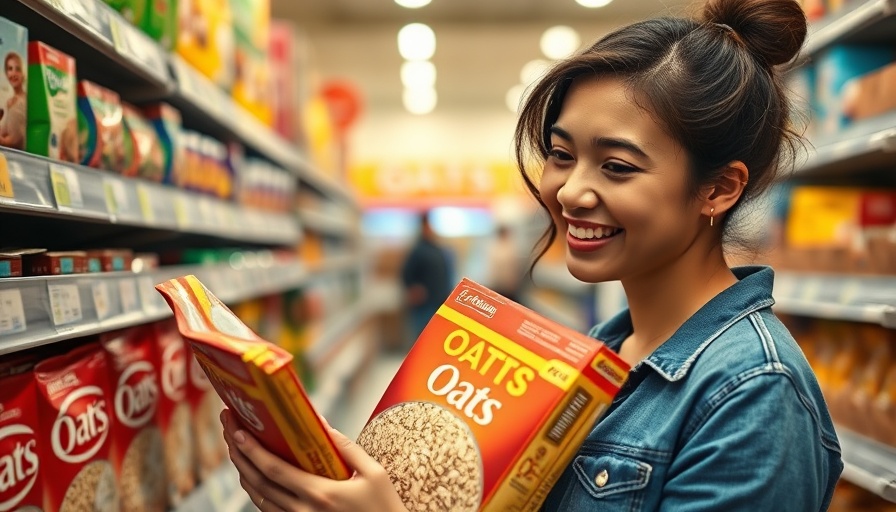
Woman shopping for oats in store amid rolled oats recall.

Grain Millers' Rolled Oats Recall: What's Happening?

A significant recall impacting 63,000 pounds of rolled oats has recently been issued by Grain Millers, one of the world’s largest organic oat processors. This recall is particularly important for anyone focused on nutrition and maintaining a healthy lifestyle, as it raises concerns about food safety. The U.S. Food and Drug Administration (FDA) classified this as a Class II recall, suggesting that while the risk of health hazards is low, there’s still a potential for temporary or medically reversible effects on health if consumed.

Understanding the Recall Details

The affected oats are identified as regular and quick rolled varieties, packaged in bulk poly supersacks. This recall follows the discovery that some batches were contaminated with plastic, likely stemming from a production mishap. The voluntary recall was announced this week, after having started in February but remained relatively unnoticed until the FDA released an enforcement report. Although it primarily affects larger retailers and restaurants that buy in bulk, consumers should remain vigilant.

What Should Consumers Do?

If you regularly purchase rolled oats, especially from health food stores, it's wise to inquire about the source of your oats. While no illnesses have been reported in connection to this recall, it’s best to stay informed. If you suspect that you have purchased the affected oats, the best course of action is to avoid consuming them and dispose of them safely. For questions, customers can visit Grain Millers' website for quality control inquiries.

Staying Healthy: The Role of Nutrition

This recall highlights the broader implications of nutrition education and the importance of preventive care in our diets. Regular consumption of oats is often linked to numerous health benefits, including supporting heart health and aiding in weight management. Integrating quality, safe food products into our diets contributes to overall well-being and chronic disease prevention.

Proactive Measures: Safety in Our Pantries

Navigating food safety can seem daunting, but being informed and proactive is key. Engaging in wellness programs that focus on health screenings and nutritional education can improve decision-making concerning food purchases. Additionally, stress management and mental health awareness complement a holistic approach to healthy living, ensuring that we maintain wellness on multiple fronts.

In conclusion, while the recent oat recall may seem like a small blip on our radar, it serves as a reminder of the importance of vigilance in our dietary choices. By staying informed and exercising proactive healthcare practices, you can significantly enhance your health and lifestyle. Don't hesitate to reach out to your food sources for clarity, and continue investing in your well-being with healthy lifestyle choices!

Nutrition & Healthy Eating

30 Views

0 Comments

Write A Comment

*
*
Related Posts All Posts
12.01.2025

Unlocking Healthy Eating: Strategies for a Balanced Diet

Update Understanding Healthy Eating: Beyond the Basics Healthy eating isn’t just a trend; it’s a lifestyle that influences overall well-being. As discussed in the video titled Healthy Eating Q&A | Your Questions. My Answers!, there's a lot to unpack regarding nutritional choices and habits. Many people feel overwhelmed with the plethora of information available on healthy eating, often leading to confusion about what truly constitutes a balanced diet. In this article, we aim to demystify some common misconceptions and offer actionable insights to streamline your healthy eating journey.In Healthy Eating Q&A | Your Questions. My Answers!, the discussion dives into strategies and insights for maintaining healthy eating habits, prompting a deeper analysis of practical nutrition for families. The Importance of Planning Ahead One of the key takeaways from the video is the significance of having a game plan for meals. When you enter a weekend or a social event without a strategy, it’s easy to default to mindless eating; you may follow what others are doing rather than making thoughtful decisions. This often leads to regret when Monday rolls around. To avoid this, planning is essential. As the speaker aptly puts it, without a game plan, we often drift into unhealthy eating patterns. So set intentions before social interactions or weekends to maintain a balanced approach to food choices. The Nuances of Sweeteners and Sugar Cravings Another significant discussion point included the debate surrounding sugar-free foods and artificial sweeteners. While the perception of these products has evolved over the years, it's crucial to consume them with mindfulness. The discussion emphasizes minimizing our cravings for sweet foods—whether from sugar or sugar alternatives. Revolutionary in its simplicity, this message prompts us to focus on whole foods and listen to our bodies. If you notice negative effects from consuming artificial sweeteners, it may be wise to adjust your intake. Recognizing the individual nuances in dietary responses is pivotal for achieving a healthy lifestyle. Creating Healthy Eating Habits for Families When raising children, fostering healthy eating habits can be challenging. The speaker mentions a crucial point: children learn from observation. If parents exhibit mindful eating habits, children are more likely to mimic these behaviors. Instead of catering to every whim, establishing consistent meal options helps them appreciate a variety of healthy foods. As the insight suggests, rather than forcing choices or using shame as a tool, trust that children will gravitate back to the wholesome eating practices you exemplify. Involving them in the cooking process can also ignite interest in nutritious options. Strategies for Sustainable Healthy Eating Sustainability should be at the heart of any dietary approach. The video advises maintaining meal structures over weekends to ensure nourishment remains a consistent priority, even amid social events. It was suggested to prioritize protein and fiber-packed meals throughout the day, especially if a more indulgent meal is on the horizon. This strategy keeps physical hunger at bay while allowing space for enjoying special treats guilt-free. Additionally, the concept of "picking your party"—choosing your favorite treat or drink to enjoy without overindulging—empowers individuals to cultivate a healthier relationship with food. Empowering Yourself through Nutrition Ultimately, the goal of healthy eating is to empower individuals to make informed choices that benefit their overall health. Focus on incorporating nutrient-dense foods into your diet, learning how to create hearty, nourishing meals that also suit your personal preferences. Engaging in meal prep can streamline the process, making healthy eating easier and more enjoyable. Involving whole foods, lean proteins, healthy fats, and a rainbow of vegetables in your daily meals can lay the foundation for sustainable nutrition. Whether you opt for a vegetarian meal, explore gluten-free recipes, or delve into the Mediterranean diet, find what resonates with your lifestyle. Conclusion: Take Action Today By acknowledging that healthy eating is a journey filled with choices and education, you can pave the way to improved health. Listening to your body’s signals, making intentional food selections, and planning meals ahead of time are essential actions that can lead to a more balanced diet. Start today by assessing your current eating habits and consider subtle adjustments that prioritize nutritious meals. If you’re ready to explore further and transform your relationship with food, remember that taking the first step, no matter how small, can lead to lasting changes.

11.23.2025

What I Learned from Eating Seed Oils Every Day for a Week

Update Discovering the Truth About Seed Oils: My Week-Long Experiment As a dietitian who thrives on understanding the intricate connections between our food choices and overall health, I recently took a deep dive into the controversial world of seed oils. The discussions surrounding these oils seem to orbit between extremes—some label them as harmful while others declare them health champions. So with curiosity and a scientific mindset, I decided to incorporate a tablespoon of high-oleic sunflower oil into my daily diet for a week. The goal? To demystify the myths surrounding seed oils and grab a closer look at their effect on my body. What I Discovered: No Drastic Changes Surprisingly, at the end of my experiment, nothing dramatic stood out. No weight gain, no sudden breakouts, and certainly, no sluggishness disrupted my routine. Each day, I drizzled the oil over my roasted vegetables or whisked it into my vinaigrette—its mild flavor integrated seamlessly into my meals. Rather than reaping drastic changes, I found that when consumed as part of a balanced diet, high-quality seed oils like sunflower oil had a neutral effect on my energy and digestion. The Heart Health Connection of Seed Oils Evidence suggests that seed oils can play a supportive role in heart health due to high levels of monounsaturated and polyunsaturated fats, particularly oleic acid found in high-oleic oils. Nutrition experts, including those from Johns Hopkins and Stanford, back the perspective that consuming seed oils in moderation, through balanced meals, might lower bad cholesterol (LDL) while promoting good cholesterol (HDL). However, you must steer clear of ultra-processed foods; it's not the seed oil itself but the overall nutrient profile of one’s diet that determines health outcomes. Clearing Up Misconceptions: Seed Oils vs. Inflammation One significant area of misunderstanding revolves around claims that seed oils lead to inflammation due to their omega-6 fatty acid content. Yet research indicates that omega-6 fats are not inherently harmful and that our bodies crucially rely on essential fatty acids obtained from dietary sources. Instead of harboring an anti-inflammatory agenda against seed oils, experts encourage improving our overall diet quality—especially by increasing omega-3 fatty acid intake through sources like fish and flaxseeds. Conclusion: Beyond Seed Oils—Eating Smart Matters My week-long plunge into incorporating seed oils into everyday meals offered insight: they aren’t the villain many claim. Instead, the key to better health lies in eating a balanced diet, laden with whole foods, vegetables, and a variety of fats. So, for anyone contemplating their oil choices, remember the importance of moderation and variety. As one expert insightfully pointed out, focusing solely on seed oils distracts from larger dietary dilemmas. To better your well-being, aim for overall nutrition improvements instead of fixating on one ingredient.

11.23.2025

Transform Your Health with This Cottage Cheese Chocolate Mousse Recipe

Update A Decadent and Nutritious Dessert: Cottage Cheese Chocolate Mousse If you've been skeptical about incorporating cottage cheese into your meals, prepare to be pleasantly surprised. In this article, we're exploring an innovative and healthy dessert: a rich, double chocolate mousse made with cottage cheese as the base. This recipe not only tantalizes your taste buds but also aligns with a healthy eating lifestyle.In HIGH PROTEIN DESSERT, the discussion dives into the benefits of incorporating cottage cheese into desserts, exploring key insights that sparked deeper analysis on our end. Unveiling the Recipe: Simple Ingredients for a Luxurious Experience This mousse requires just four ingredients: cottage cheese, cocoa powder, vanilla extract, and sugar-free chocolate chips. The process is straightforward, utilizing a food processor to blend these ingredients into a creamy, satisfying dessert. With low-fat or full-fat cottage cheese as options, you can easily tailor the mousse's texture to your preference—looser and pudding-like with low-fat or richer and thicker with full-fat. Why Cottage Cheese is a Game Changer Cottage cheese is often overlooked in dessert recipes, but it brings a host of benefits that go beyond flavor. It's a high-protein food, incredibly versatile, and offers vital nutrients that help promote fullness and satiety. This means you'll feel satisfied after indulging, reducing the temptation to fall into sugar cravings often associated with traditional desserts. Low-Calorie and High-Protein: The Health Benefits of Your Dessert Choice Good nutrition is at the forefront of this chocolate mousse. With a focus on clean eating, this dessert fits perfectly into diets aimed at weight management and balanced nutrition. By emphasizing whole foods and minimizing added sugars, it promotes better gut health and aligns with heart-healthy recipes. This mousse, made with Lily's sugar-free chocolate chips, is a perfect example of how you can enjoy dessert without guilt. The Art of Crafting a Beautiful Presentation Serving your mousse in mason jars not only makes for a delightful presentation but also allows for portion control. As you prepare your mousse, consider making it ahead of time—allowing it to chill in the fridge for a few hours helps improve the texture and flavor. Plus, its rich, decadent look makes it suitable for holiday gatherings or as a special treat during your meal prep for the week. Boosting Your Culinary Creativity with Cottage Cheese The recipe encourages you to think beyond traditional uses of cottage cheese, improving your healthy meal ideas. From cottage cheese pancakes to savory dishes, the possibilities are endless. This mousse can inspire new recipes that fit within various dietary frameworks, including vegetarian and low-carb lifestyles. Answering the Sweet Tooth: Alternatives to Sugar For those with a preference for sweeter desserts, this mousse is adaptable: consider incorporating maple syrup or stevia to enhance the flavor without adding extra sugar. This versatility makes it easy to suit different tastes, allowing everyone to enjoy a healthy dessert that feels indulgent. Bringing Together Nutrition and Taste In today’s health-conscious world, it’s essential to enjoy meals that nurture both the body and mind. This chocolate mousse stands out as it marries the joy of indulging in dessert with the satisfaction of eating healthily. Incorporating protein-rich ingredients like cottage cheese can help foster a positive relationship with food and assist in achieving wellness goals. Conclusion: Savor the Flavor and the Benefits This cottage cheese chocolate mousse doesn't just satisfy your sweet cravings; it plays an important role in fueling your body with nutritious, wholesome ingredients. Whether you're on a weight loss journey or just trying to embrace a healthier lifestyle, this dessert can be a game-changer. For those interested in easy healthy recipes that require minimal effort while still delivering maximum flavor, this is one dessert to consider. Try it out for yourself and discover just how delightful cottage cheese can be!

Terms of Service

Privacy Policy

Core Modal Title

Sorry, no results found

You Might Find These Articles Interesting

T
Please Check Your Email
We Will Be Following Up Shortly
*
*
*