
My Wellness Train Logo
update

My Wellness Train™
Health In The Triangle

update
  • Home
  • Categories
    • Disease states
    • Tooth Care
    • Back pain
    • Pharmaceuticals
    • Staying Healthy
    • AntiAging
    • Nutrition
    • Fitness
August 12.2025
2 Minutes Read

How to Stop Sweat Forever: Practical Solutions for Everyone

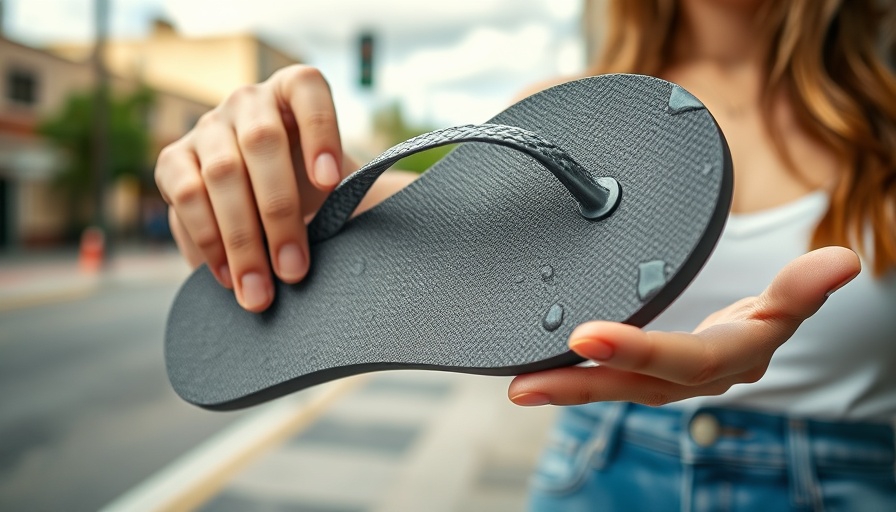
Wet flip-flop held to illustrate hyperhidrosis, woman explaining condition.

Understanding Excessive Sweating

Excessive sweating can be a frustrating condition that affects many people. Known medically as hyperhidrosis, this issue is often more than just a simple nuisance; it can lead to anxiety and hinder social interactions. Whether it strikes during a workout or in daily situations, discovering effective solutions can be life-changing.

In 'How to stop sweat forever!', the discussion dives into the challenges of hyperhidrosis and explores key insights that sparked deeper analysis on our end.

Potential Causes and Their Impact

Hyperhidrosis can stem from various factors, including genetics, hormones, or even anxiety. For athletes, the pressure to perform can intensify the physical symptoms, making embarrassment an additional hurdle. Understanding the underlying causes is crucial in managing this condition effectively.

Exploring Treatment Options

There are several ways to address excessive sweat. Research has indicated that over-the-counter antiperspirants might not always be effective. For many, prescription-strength options or even clinical treatments like Botox can offer significant relief. It’s important to consult with a healthcare provider to discuss these options based on individual needs.

Tips for Managing Sweat in Daily Life

In addition to medical treatments, staying cool and practicing relaxation techniques can help alleviate some symptoms of sweating. Wearing breathable fabrics and keeping hydrated are simple yet effective ways to manage perspiration during workouts.

The Road to Confidence

For those who struggle with excessive sweating, it’s not just about stopping sweat; it’s about restoring confidence in social situations. By exploring treatment options and implementing stress-reduction techniques, many can find relief and regain their comfort in everyday activities.

Fitness

20 Views

0 Comments

Write A Comment

*
*
Please complete the captcha to submit your comment.
Related Posts All Posts
01.18.2026

What You Need to Know About Achilles Surgery and Recovery

Update The Importance of Achilles Surgery Achilles surgery is often a necessary procedure for athletes or active individuals suffering from severe Achilles tendon injuries. It can help restore mobility and allow for a return to sports and daily activities, making it an essential topic for athletes and fitness enthusiasts alike.In 'Doctor explains Achilles surgery', the discussion dives into the critical aspects of Achilles injuries and surgery, prompting a deeper exploration of their recovery journeys in our article. Understanding the Achilles Tendon The Achilles tendon connects the calf muscles to the heel bone, playing a crucial role in walking, running, and jumping. Injuries can range from mild tendinitis to complete tears, necessitating surgical intervention in severe cases. Recovery from Achilles surgery typically involves a structured rehabilitation process, emphasizing the importance of following medical advice to ensure a safe return to physical activities. What to Expect During Recovery Following surgery, patients will need time to heal properly, often requiring physical therapy to regain strength and flexibility. While the recovery process can vary, many athletes find that with dedication, they can return to their sport stronger than ever, underscoring the surgery's potential life-changing impact. Emotional and Psychological Aspects The emotional journey of recovering from Achilles surgery can be challenging. Athletes may face frustration and fear regarding their ability to return to their previous level of performance. Support from friends, family, and fellow athletes can be invaluable during this time, reminding individuals that they are not alone on their path to recovery. If you're considering Achilles surgery or dealing with an injury, seeking professional medical advice and support is vital to navigate your recovery successfully. Remember, healing takes time, and patience is part of the journey. Connect with your healthcare provider to discuss the best recovery options for you.

01.17.2026

Why You Need New Shoes: Boost Your Health and Performance Today

Update Why New Shoes Are Essential for Health and Performance When was the last time you took a good look at your shoes? More than just a fashion statement, the footwear you choose can have significant impacts on your overall health and performance in sports or daily activities. In our fast-paced lives, it's easy to forget that shoes wear out over time, leading to discomfort and potential injuries.In THIS is why you need new shoes, the discussion dives into the importance of footwear, exploring key insights that sparked deeper analysis on our end. Understanding the Impact of Worn-Out Footwear Worn-out shoes lack necessary support and cushioning. This can result in a range of concerns from foot pain to back problems. For athletes and active individuals, high-quality footwear is essential for optimal performance and injury prevention. Regularly replacing shoes, ideally every 300 to 500 miles for running shoes or depending on the frequency of use, helps to maintain the foot's integrity. As they age, shoes lose shock-absorbing capability, putting unnecessary stress on joints. The Emotional Connection—Why It Matters New shoes are not just good for your physical health; they can also uplift your spirits. There's something about a fresh pair of kicks that can boost confidence and motivation. Whether you're prepping for a big game or simply staying active with friends, having shoes that fit well and look great can enhance your overall mood. Finding the Right Fit for You Visiting a specialty store to get fitted for shoes can make a world of difference. Many local shops offer assessments to determine your foot type and gait, ensuring you choose footwear that aligns perfectly with your needs. This way, you can select shoes that will keep you comfortable and performing at your best. Actionable Insights: When to Replace Your Shoes If you notice uneven wear, discomfort, or if it's been over six months since your last purchase, it could be time for a new pair. Comfort should always be the priority; if your shoes no longer feel like they did when you first bought them, it is time to invest in your health with a new pair. In THIS is why you need new shoes, the discussion dives into the importance of footwear, exploring key insights that sparked deeper analysis on our end. Don’t wait for pain to prompt change—take proactive steps to ensure your shoes are supporting you, both physically and emotionally.

01.16.2026

How Missing Toes Impact Mobility and Fitness: Insights You Need

Update Understanding Toe Loss: Why It Matters In a world focused on physical fitness and appearance, the loss of toes might seem insignificant at first glance. However, for many individuals, it poses a significant barrier to mobility and overall quality of life. This article aims to shed light on the importance of toe health, the implications of loss, and how it connects to broader health concerns.In 'Doctor reacts: missing toes', the discussion dives into the physical and emotional consequences of toe loss, prompting a deeper exploration of its broader impacts. How Missing Toes Affect Daily Life Missing toes can dramatically alter a person's daily life. Just as our fingers aid in grip, our toes provide balance and stability while walking. This shift affects not only mobility but also contributes to issues such as back pain and lower leg fatigue. Those who lose toes require assistance maintaining their balance, which might necessitate physical therapy or adaptive devices to reclaim their independence. Emotional and Psychological Effects The journey of coping with missing toes often extends beyond physical limitations. There's an emotional component where feelings of sadness and frustration may arise. Individuals grappling with this loss might experience a decreased self-esteem, particularly in active settings such as sports or social gatherings. Acknowledging these feelings and finding communal support can be vital for emotional healing. Connecting Toe Health to Fitness Trends As the fitness community becomes increasingly focused on overall wellbeing, understanding toe health and its implications is crucial. Many fitness trends emphasize body alignment and balance, which directly relies on toe functionality. Engaging in activities that promote foot strength and stability enhances not just physical fitness, but also mental resilience through improved body confidence. In this context, Dr. Dana Figura's insights on missing toes provides valuable information, sparking conversations on mobility, fitness, and overcoming barriers.

Terms of Service

Privacy Policy

Core Modal Title

Sorry, no results found

You Might Find These Articles Interesting

T
Please Check Your Email
We Will Be Following Up Shortly
*
*
*