
My Wellness Train Logo
update

My Wellness Train™
Health In The Triangle

update
  • Home
  • Categories
    • Disease states
    • Tooth Care
    • Back pain
    • Pharmaceuticals
    • Staying Healthy
    • AntiAging
    • Nutrition
    • Fitness
June 07.2025
3 Minutes Read

Flossing Techniques: Why They Matter for Your Dental Care

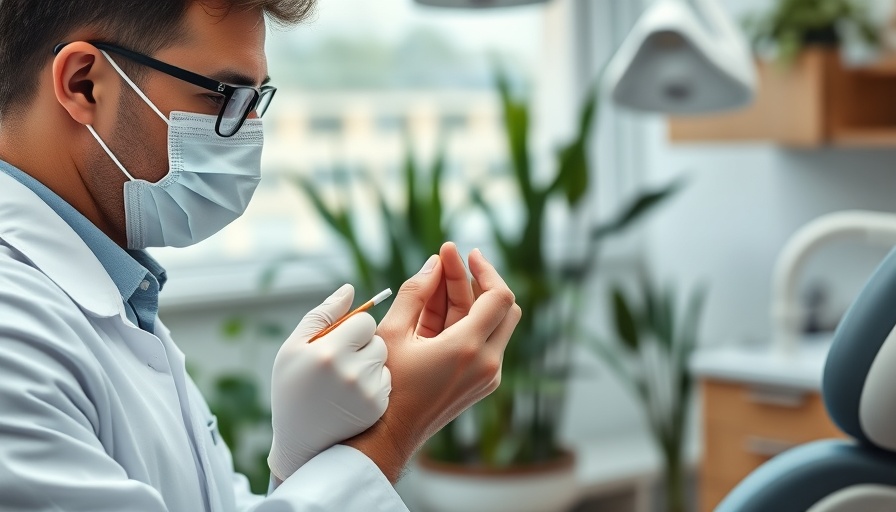
Dental professional instructing on flossing techniques in modern office.

Is Flossing Really Necessary for Dental Health?

The conversation surrounding daily dental hygiene often brings up the perennial question: is flossing necessary? One man’s striking remark that he hasn’t flossed in 10 years yet maintains healthy teeth raises eyebrows and opens up a larger discussion about oral health practices.

In 'he hasn't flossed his teeth in 10 years! #shorts', the discussion dives into the importance of dental hygiene, exploring key insights that sparked deeper analysis on our end.

The Science Behind Flossing

Many dental professionals advocate for daily flossing as a critical part of an oral hygiene routine. Flossing helps remove plaque and food particles lodged between teeth that a toothbrush may not reach. Left unchecked, this debris can lead to cavities, gum disease, and other dental concerns such as tooth decay. The American Dental Association (ADA) notes that regular flossing can significantly reduce the risk of developing cavities and periodontal disease.

Counterarguments: Do Some Skip Flossing Successfully?

Our acquaintance who hasn't flossed in a decade showcases a counter-narrative. While his case appears uncomplicated, neglecting flossing doesn't guarantee healthy teeth for everyone. It does, however, prompt an essential consideration: how genetics, diet, and personal hygiene habits all play pivotal roles in overall dental health. Experts argue that maintaining a balanced diet low in sugars and acids, alongside regular dental checkups, can sometimes compensate for missed flossing. Yet, these are individual cases and shouldn’t be generalized.

Feeling Confident About Your Dental Care

Many people feel overwhelmed by dental advice, leading to uncertainty about what practices genuinely impact dental health. Understanding how to create a personal oral care routine can alleviate some of these feelings. Establishing a routine that includes brushing, flossing, and regular dentist visits can help you maintain healthy gums and teeth while avoiding dental pain and complications.

Flossing Techniques: Finding What Works for You

If you’ve decided to incorporate flossing into your dental regimen, knowing the right technique is essential. Here are some dental tips to enhance your flossing game:

  • Use approximately 18 inches of floss, wrapping it around your fingers for a secure hold.
  • Slide the floss gently between your teeth, curving it around each tooth to avoid gum damage.
  • Don’t forget about the back of your last molar, where food particles can easily get stuck.
  • If traditional floss is difficult to manage, consider using floss picks or water flossers as alternatives.

Building Strong Teeth and Gums: The Bigger Picture

The implications of ignoring oral hygiene are significant, from bad breath to costly dental procedures like root canals or fillings. Long-term neglect can result in tooth extraction or the need for dental implants. Thus, a consistent dental hygiene routine encompassing brushing at least twice daily, regular dental cleanings, and flossing should be prioritized to boost oral health.

Unlocking the Myths of Oral Hygiene

With so much conflicting information about dental care, it is crucial to discern fact from fiction. Many people believe that brushing alone is sufficient for keeping their teeth healthy. In reality, while brushing does remove surface plaque and food particles, it doesn't eliminate all debris lodged between teeth. This underscores the importance of comprehensive dental care.

Making Your Dental Health a Priority

Ultimately, investing in your dental health pays off significantly. It paves the way for a bright smile, enhanced self-esteem, and overall wellness. Regular dental checkups and being proactive about your oral hygiene routine can help mitigate more severe health issues in the future. So, if you've been neglecting your floss, it might be time to reevaluate your dental care choices!

Tooth Care

36 Views

0 Comments

Write A Comment

*
*
Please complete the captcha to submit your comment.
Related Posts All Posts
01.18.2026

Why Temping as a Dental Hygienist Is a Career Game-Changer

Update Exploring the Benefits of Temping as a Dental Hygienist If you're a dental hygienist contemplating whether to take on temporary roles, the idea might prompt mixed feelings. The experiences gathered from temping can vary significantly depending on the office environment, the team dynamics, and the types of patients you'll encounter. However, one constant takeaway is that each temp job equips you with invaluable knowledge and insights that could shape your professional path.In 'temping as a dental hygienist #shorts', the discussion dives into the multifaceted benefits of taking temporary positions in dental hygiene, inspiring us to further analyze its implications. Why Temping Can Elevate Your Dental Career Temping allows dental hygienists to explore different settings—from small community practices to larger, multi-office corporations. This breadth of exposure can help you pinpoint what works for your personality and career goals. You might discover a passion for a specific area of dental care, such as pediatric dentistry or cosmetic dentistry, which may not have been evident in your previous roles. Moreover, temp jobs can help you get acquainted with various procedures, enhancing your dental education. Witnessing and participating in different treatment plans such as dental implants, braces placements, and even gum disease management enables a well-rounded experience that can help enrich your hygiene routine and ultimately improve patient care. Navigating Not-So-Great Experiences As any seasoned professional knows, not all experiences will be positive. However, even less-than-ideal situations can offer profound learning experiences. Dealing with challenging patient interactions or adjusting to unfamiliar office protocols can fortify your resilience and adaptability—qualities that significantly benefit any hygienist’s career. Furthermore, these experiences can ignite discussions about best practices and techniques for preventing issues like dental pain relief or ensuring effective flossing techniques. These conversations help not just you, but your peers as well, in improving overall dental care delivery. Building Professional Networks One of the often-overlooked advantages of temping is the ability to build a robust professional network. Each practice presents an opportunity to connect with fellow hygienists, dentists, and dental assistants, expanding your circle beyond your immediate workplace. Networking can open doors to job opportunities and provide support when navigating the more complex aspects of dental health care. Tips for Successful Temping Embarking on your temping journey? Here are a few actionable insights to consider: Communicate: Always keep lines open with your potential employer about your skills, interests, and any areas you'd like to explore. Embrace Flexibility: The open-mindedness to adjust your practices and learn from each environment is vital. Seek Feedback: Constructive criticism from your colleagues can provide insights that promote personal growth. Final Thoughts and Call to Action Temping as a dental hygienist serves as more than just a stopgap between permanent positions; it's an enriching journey of exploration and evolution in your career. By embracing the various experiences, you can elevate your understanding and skills in dental hygiene, from best practices in dental cleaning to insights on cosmetic dentistry. If you’re considering temping, or you’re already on that path, take every experience as a learning opportunity. You never know which tip or practice could improve someone’s smile or shape your next career move. Explore more about dental care and oral hygiene by checking out the free oral care guide and subscribe to our newsletter to stay informed!

01.17.2026

Exploring the Benefits of Temp Dental Hygienists for Your Oral Health

Update The Essential Role of Dental Hygienists Dental hygienists play a vital role in maintaining oral health. Their responsibilities encompass various tasks, from performing dental cleanings to educating patients on proper oral hygiene practices. In today’s ever-evolving healthcare landscape, temp dental hygienists, in particular, have become essential in providing flexibility and cover during staff shortages.In 'What I Bring as a Temp Dental Hygienist,' we explore how temporary hygienists contribute significantly to dental care, prompting us to look deeper into the advantages they offer. Understanding the Benefits of Temp Hygienists Temp dental hygienists can adapt to different practice settings effortlessly. They bring fresh perspectives and updated techniques, allowing dental offices to meet the increasing demand for quality dental care without compromising patient well-being. Their versatility often ensures that clinics can maintain service levels during busy periods, thereby enhancing overall patient satisfaction. Preparing for Your Dental Visits For patients, understanding what a temp hygienist can offer is crucial. Before a visit, it’s beneficial to have an idea of the procedures that may be needed, such as dental cleanings, cosmetic consultations, or cavity treatments. Being informed can alleviate anxiety and enable better communication between patients and temp hygienists, leading to a more effective service. Insights from a Temp Dental Hygienist In the video, the speaker talks about the rewarding experience of temp dental hygiene work. It’s not just about maintaining dental tiles but a holistic approach to enhancing patient care and education on oral hygiene. This experience reflects how versatile the role can be and how fulfilling it is to positively impact patients' health. Common Dental Procedures Explained Temp dental hygienists may encounter routine and more specialized procedures. It's essential to discuss common treatments, like sensitive teeth management or teeth whitening options, explicitly with patients. These conversations can pave the path for enhanced dental education and improved outcomes. Actions to Ensure Optimal Dental Health Incorporating effective dental care practices can significantly prevent issues like gum disease and cavities. For instance, implementing a consistent dental hygiene routine and addressing pain promptly can yield positive results in maintaining oral health. Overcoming Dental Anxiety Visiting the dentist can be daunting for some. Understanding what to expect from a temp dental hygienist might ease their fears. Engaging in conversations about dental anxiety can facilitate a supportive environment, allowing patients to feel more comfortable during their appointments. Empowering Your Dental Journey Patients deserve to feel in charge of their dental health. By learning about potential procedures, asking questions about gum disease prevention, and consulting about dental products during appointments, individuals can actively engage in their care journey. Knowledge is a powerful tool in overcoming dental fears and ensuring a beautiful smile. Having a temp dental hygienist can be tremendously valuable, and staying informed about your oral health can truly empower your dental journey. Maintain open communication with your hygienist about any concerns, from tooth pain to potential cosmetic procedures. As we navigate the complexities of dental care together, remember that seeking information and voicing your needs can significantly improve your experience and outcomes. Start today by asking about any dental services you find puzzling or concerning in your next visit!

01.16.2026

Sensitive Teeth? Here's Why You Should Avoid Whitening Toothpaste

Update Why Sensitive Teeth Should Avoid Whitening Toothpaste Sensitivity in teeth is a common problem many face, making simple pleasures like enjoying a warm meal or a cold drink distressing experiences. People who struggle with sensitive teeth must be particularly cautious about the products they use, especially whitening toothpaste. While the promise of a brighter smile is attractive, using harsh whitening agents can exacerbate dental sensitivity, leading to increased discomfort.In the video 'stop using whitening toothpaste if you have sensitive teeth #shorts', the topic dives into the importance of avoiding whitening products for people with sensitive teeth. This prompted us to explore further and discuss tips and alternatives for maintaining dental health. Understanding Tooth Sensitivity Tooth sensitivity arises when the enamel wears down, exposing the dentin underneath that contains tiny nerve endings. When exposed to hot, cold, sweet, or acidic foods, these nerves can trigger painful sensations. Factors contributing to tooth sensitivity include aggressive brushing, gum disease, and even certain whitening products, which often contain peroxide or abrasive particles that can further irritate already compromised teeth. The Pitfalls of Whitening Products Many whitening toothpastes utilize abrasive ingredients that help scrub away stains but can also lead to enamel erosion. In sensitive individuals, the use of these products can result in heightened pain and discomfort, which leads to a vicious cycle of switching products in search of relief. It's crucial for those with sensitive teeth to understand the potential risks associated with whitening agents. Seeking Alternatives for a Bright Smile Instead of traditional whitening toothpastes, individuals with sensitive teeth can explore alternative methods to brighten their smiles. Consideration should be given to professional whitening treatments, which can be customized to reduce sensitivity, or the use of gentler formulations specifically designed for sensitive teeth. Moreover, options such as dental bonding or veneers provide immediate cosmetic results without risking sensitivity issues. Importance of Dental Checkups Regular dental checkups play a crucial role in maintaining oral health, especially for those with sensitive teeth. Dentists can identify underlying problems that may be exacerbating sensitivity, such as gum disease or cavities, and provide tailored advice regarding oral care products suitable for individual needs. They can also perform professional cleaning to remove plaque buildup, which contributes to sensitivity and makes it difficult for at-home whitening treatments to work effectively. Tips for Managing Sensitive Teeth Use Desensitizing Toothpaste: Look for toothpaste specifically designed for sensitive teeth. These products can help block the pain signals sent to the nerves. Gentle Brushing Techniques: Adjust your brushing technique by using a soft-bristled toothbrush and avoiding excessive force. This can help protect your enamel. Avoid Acidic Foods: Minimize consumption of acidic beverages and foods, which can degrade enamel and worsen sensitivity. Floss Regularly: Maintain a good dental hygiene routine by flossing to remove debris trapped between teeth that could irritate sensitive gums. Stay Hydrated: Drinking plenty of water throughout the day can help rinse away acids from food, reducing the risk of sensitivity. In summary, sensitive teeth require careful consideration and a proactive approach to dental care. While achieving a bright smile is important, so is maintaining the health of your teeth. By prioritizing sensitivity and making informed decisions about whitening options, you can enjoy a brighter, more confident smile. For any dental concerns, don't hesitate to consult your dentist for personalized advice tailored to your unique needs. Embrace your journey to better dental health and explore options that work best for you.

Terms of Service

Privacy Policy

Core Modal Title

Sorry, no results found

You Might Find These Articles Interesting

T
Please Check Your Email
We Will Be Following Up Shortly
*
*
*