Add Row
Add Element
My Wellness Train Network
update
My Wellness Train™ Network
cropper
update
Add Element
  • Menu 1
  • Menu 2
  • Menu 3
  • Menu 4
  • Menu 5
  • Menu 6
Add Element
  • update
  • update
  • update
  • update
  • update
  • update
  • update
April 27.2025
2 Minutes Read

63,000 Pounds of Rolled Oats Recalled: What Health-Conscious Consumers Need to Know

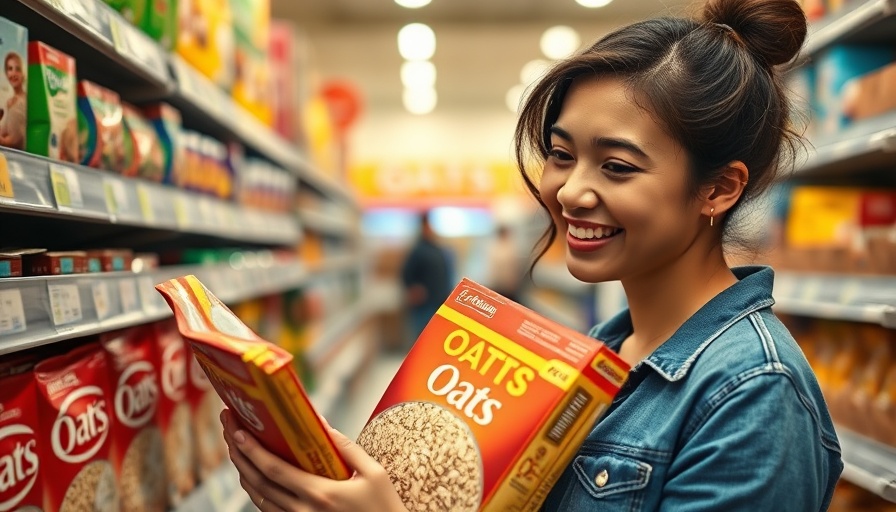
Woman shopping for oats in store amid rolled oats recall.

Grain Millers' Rolled Oats Recall: What's Happening?

A significant recall impacting 63,000 pounds of rolled oats has recently been issued by Grain Millers, one of the world’s largest organic oat processors. This recall is particularly important for anyone focused on nutrition and maintaining a healthy lifestyle, as it raises concerns about food safety. The U.S. Food and Drug Administration (FDA) classified this as a Class II recall, suggesting that while the risk of health hazards is low, there’s still a potential for temporary or medically reversible effects on health if consumed.

Understanding the Recall Details

The affected oats are identified as regular and quick rolled varieties, packaged in bulk poly supersacks. This recall follows the discovery that some batches were contaminated with plastic, likely stemming from a production mishap. The voluntary recall was announced this week, after having started in February but remained relatively unnoticed until the FDA released an enforcement report. Although it primarily affects larger retailers and restaurants that buy in bulk, consumers should remain vigilant.

What Should Consumers Do?

If you regularly purchase rolled oats, especially from health food stores, it's wise to inquire about the source of your oats. While no illnesses have been reported in connection to this recall, it’s best to stay informed. If you suspect that you have purchased the affected oats, the best course of action is to avoid consuming them and dispose of them safely. For questions, customers can visit Grain Millers' website for quality control inquiries.

Staying Healthy: The Role of Nutrition

This recall highlights the broader implications of nutrition education and the importance of preventive care in our diets. Regular consumption of oats is often linked to numerous health benefits, including supporting heart health and aiding in weight management. Integrating quality, safe food products into our diets contributes to overall well-being and chronic disease prevention.

Proactive Measures: Safety in Our Pantries

Navigating food safety can seem daunting, but being informed and proactive is key. Engaging in wellness programs that focus on health screenings and nutritional education can improve decision-making concerning food purchases. Additionally, stress management and mental health awareness complement a holistic approach to healthy living, ensuring that we maintain wellness on multiple fronts.

In conclusion, while the recent oat recall may seem like a small blip on our radar, it serves as a reminder of the importance of vigilance in our dietary choices. By staying informed and exercising proactive healthcare practices, you can significantly enhance your health and lifestyle. Don't hesitate to reach out to your food sources for clarity, and continue investing in your well-being with healthy lifestyle choices!

Nutrition & Healthy Eating

17 Views

0 Comments

Write A Comment

*
*
Related Posts All Posts
09.05.2025

What Happens When You Overdo Vitamins? Signs and Health Risks

Update The Dark Side of Supplements: Understanding Their Risks and Benefits In a world increasingly driven by health trends and self-care regimens, the prevalence of vitamin and supplement usage has skyrocketed. According to the U.S. Food and Drug Administration (FDA), about 75% of Americans consume at least one dietary supplement. This surge is partly influenced by social media platforms where influencers tout the effectiveness of various supplements for everything from nutrient deficiencies to beauty enhancements. What Happens When You Overdo It? Although supplements are often perceived as benign, experts warn that too much of a good thing can lead to health issues. "People think of supplements like fruit—something that can't harm them. But excessive intake can lead to toxicity and serious health concerns," says Dr. Robert J. Fontana from the University of Michigan Medical School. Mismanagement of vitamin intake can result in a host of problems, including nausea, headaches, and potentially dangerous interactions with medications. The FDA underscores the importance of understanding that supplements are treated differently from conventional medications; they’re often self-prescribed and poorly regulated, raising the risk of unintentional overconsumption. Who Should Be Cautious? Individuals on medication or with pre-existing health conditions should consult healthcare professionals before starting any supplement regimen. Dr. Pieter Cohen from Harvard Medical School emphasizes the necessity of communication with healthcare providers regarding supplement use to prevent adverse effects. Key Signs You May Be Overdoing It Recognizing the signs of vitamin overload is crucial. Symptoms can manifest in numerous forms, from digestive discomfort to fatigue. Common indicators include: Digestive issues such as nausea and diarrhea Fatigue, marked by feelings of lethargy Headaches that seem unmanageable Unexplained joint pain These symptoms can often be confused with other health conditions, making awareness of one’s supplement intake even more critical. The Bottom Line: A Proactive Approach to Health Vitamins and supplements should not be seen as replacements for a balanced diet. Instead, they should be used to fill specific nutrient gaps, emphasizing that they do not provide a shortcut to health. For those looking to maintain good health, understanding the role of nutrition is paramount. Regular health screenings, vaccinations, and lifestyle medicine can significantly impact long-term wellness and chronic disease prevention. It’s essential to prioritize a holistic approach to health that incorporates balanced nutrition and preventive care. By taking charge of one’s health journey through informed choices and regular consultations with healthcare providers, individuals can effectively manage their supplement intake and achieve optimal wellness.

09.04.2025

How to Transform Picky Eating Into a Healthy Lifestyle: Expert Tips

Update Transforming Your Eating Habits: A Journey to Wellness In today's fast-paced world, maintaining a healthy diet can feel like a daunting challenge, especially when balancing work, family, and personal health objectives. As a healthcare professional, being aware of effective strategies for fostering healthier eating habits is essential not only for your personal life but also for your practice. In the video titled Picky Eater? These Hacks Saved My Sanity (TRUST ME on these), valuable insights into overcoming culinary challenges and encouraging a healthier diet are presented. In this article, we delve deeper into the implications of these insights and offer additional strategies for promoting healthy eating.In 'Picky Eater? These Hacks Saved My Sanity (TRUST ME on these)', the video highlights practical approaches to overcoming picky eating, prompting us to analyze and further develop these ideas. Understanding the Challenge of Picky Eating Picky eating is not merely a childhood phase; it often extends into adulthood, influencing dietary choices and nutritional intake. This phenomenon can result in a limited variety of foods consumed, potentially leading to nutrient deficiencies. Many individuals find themselves stuck in a pattern of preferring convenience over health, opting for fast food or processed snacks instead of preparing nutritious meals. This article will address methods to navigate these common barriers while enhancing the flavor and appeal of healthy dishes. Culinary Enjoyment: A Key to Healthier Choices The first step in transforming your eating habits is to make healthy meals enjoyable. Consider setting aside time for a Weekly Healthy Recipe Challenge, where you explore nutritious, easy-to-follow recipes with readily available ingredients. This initiative not only fosters creativity in cooking but also motivates participants to engage with food in a positive and fulfilling manner. Whether it's a colorful quinoa salad or grilled salmon paired with roasted vegetables, the challenge helps participants discover exciting healthy meals that they may not have tried otherwise. Cooking together or sharing these meals with family creates a social connection that reinforces healthy choices. Expert Insights: Enhance Your Knowledge Moreover, collaborating with nutritionists and chefs can provide added value. These professionals possess a wealth of knowledge about mixed dishes that are not only nutritious but exciting to eat. By interviewing experts, healthcare professionals can refine their understanding of healthy eating and discover techniques that simplify the cooking process while maximizing flavor. Such insights can profoundly influence patient education and advocacy for healthy eating habits. Overcoming Barriers: Actionable Insights Consistent barriers often keep individuals from pursuing healthier lifestyles. Time constraints, lack of culinary skills, and limited access to fresh ingredients may result in a reliance on unhealthy food options. It is important to recognize these challenges and strategize on overcoming them. For instance, meal prepping can save time during busy weeks, ensuring that healthy options are always within reach. Additionally, exploring local farmers' markets or community-supported agriculture can offer fresh produce at more affordable prices, alleviating worries about cost. The Emotional Aspect of Eating It is crucial to understand the emotional connection people have with food. Picky eating can stem from negative experiences with particular foods, aversion based on texture, or simply habit. By creating meals that engage the senses and excite the palate, individuals are more likely to explore new foods. Focus on the pleasure of cooking together, sharing meals, and celebrating the experience as a journey rather than a chore. Looking Ahead: Future Food Trends As we move forward, the food landscape continues to evolve. Dietary preferences shift, and sustainability in food choices is gaining traction. By challenging conventional notions of eating, we can foster a generation more appreciative of healthful, delicious meals. Educating patients about the benefits of balanced nutrition and offering practical advice encourages lifelong healthy eating habits, empowering them to make informed decisions. Ultimately, embarking on a journey towards healthier eating does not have to be overwhelming. Take small, incremental steps, and remember that it’s about progress rather than perfection. Embracing healthy eating should be a valuable and rewarding experience. Are you interested in exploring the world of healthy eating and recipes? Dive deeper into our content and unlock the secrets to a vibrant lifestyle. Join the conversation and transform your approach to food!

09.04.2025

Discover the Best Yogurt for Your Health: Nutrition and Flavor Combined

Update The Health Benefits of Yogurt: Why You Should Include It in Your Diet Yogurt isn't just a tasty snack or breakfast choice; it can also be a powerhouse of nutrition. Rich in calcium, protein, and probiotics, yogurt supports digestive health and may even boost immunity. For those looking to maintain or improve their health, including yogurt in a balanced diet could make a significant difference. Types of Yogurt: A Flavor for Everyone Yogurt comes in various types, including Greek, Icelandic, regular, and even dairy-free options. Greek yogurt is thicker and often contains more protein than traditional yogurt, making it a favorite among fitness enthusiasts. Icelandic yogurt is similar but typically has a milder flavor. For those avoiding dairy, alternatives made from almond, coconut, or oat milk provide similar texture and taste. Exploring different brands and flavors can help you find the yogurt that best fits your dietary needs and taste preferences. Choosing the Best Yogurt: Tips for Smart Choices When selecting yogurt, consider both nutrition and taste. Look for options low in added sugar and high in protein. The yogurt should ideally contain live cultures, which are beneficial for gut health. Brands that have received high ratings include Siggi's and Fage for their quality ingredients and taste. Understanding the nutrition labels can help you make informed choices, whether you're looking for fitness and health benefits or something that complements your meal plans. Yogurt and Weight Management: A Delicious Ally For those monitoring their weight, yogurt can be a satisfying and nutritious option. Because it's high in protein, yogurt can help you feel full longer, potentially reducing overall calorie intake. Additionally, incorporating yogurt into your diet can aid in digestion, which is essential for effective weight management. Experimenting with healthy recipes, such as smoothie bowls or yogurt parfaits, can make healthy eating enjoyable and sustainable. A Community Approach to Health: Sharing Yogurt Love Connecting with friends or family through food can enhance your overall wellness journey. Consider starting a yogurt club where everyone brings their favorite brand or mix-ins. Sharing tips and trying new flavors can make healthy eating more enjoyable while fostering social connections, a key component of mental health. With the many options available, yogurt can easily be tailored to suit any diet or taste preference. Whether you opt for Greek, regular, or plant-based yogurt, there’s something for everyone. It's time to explore the shelves and discover your new go-to yogurt!

Terms of Service

Privacy Policy

Core Modal Title

Sorry, no results found

You Might Find These Articles Interesting

T
Please Check Your Email
We Will Be Following Up Shortly
*
*
*